Sign up with Google
 Sign in with Zoho

This is why protection is best planned alongside the work itself rather than assembled once activity is already underway.
Choosing safety equipment for construction is therefore less about assembling a standard kit and more about understanding what each stage of a project demands of the people carrying it out.
Hazards Rarely Arrive One at a Time
A construction site is unusual because several risks often occur together. A worker may be exposed to falling objects, airborne dust, sharp materials underfoot and noise, all within the same task. Protection that addresses only one of these leaves the others uncovered.
It also helps to remember that conditions change through the day. Weather, the movement of machinery and the arrival of new materials can all introduce hazards that were not present during the morning briefing.
Matching Protection to the Stage of Work
Different phases of a project call for different combinations of protection. A short assessment before each stage makes those requirements easier to identify.
- Head protection where there is any possibility of falling tools or materials
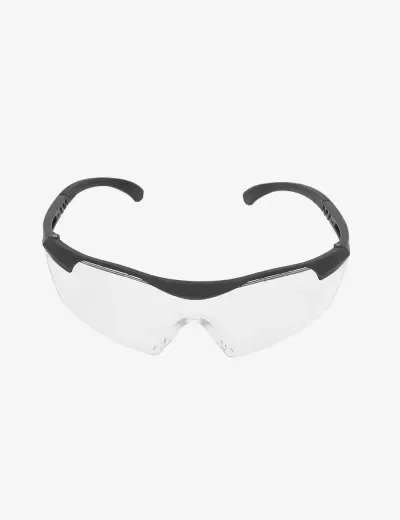
- Eye protection during cutting, drilling, grinding or any task producing fragments
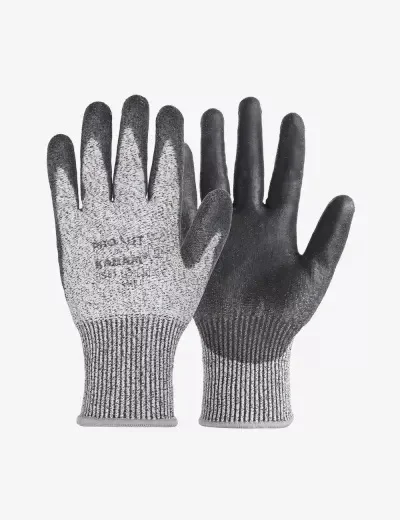
- Hand protection suited to the materials being handled
- Foot protection against impact, puncture and uneven ground
- Hearing protection where machinery or power tools create sustained noise
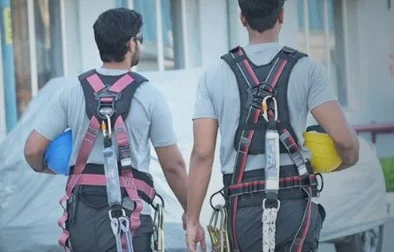
- Fall protection wherever work takes place above ground level or near open edges
- High visibility clothing where vehicles or plant are moving on site
A brief check of this kind takes very little time and often reveals a requirement that would otherwise have been missed.
Fit Decides Whether Equipment Gets Used
Protective equipment only works when it is worn, and it is usually worn consistently when it is comfortable. Equipment that pinches, slips or restricts movement tends to be adjusted incorrectly or removed partway through a shift, particularly during long or physically demanding tasks.
Sizing should therefore be treated as part of the selection process rather than an afterthought. Workers on the same site may need different sizes and styles, and providing that range costs far less than the consequences of equipment being left unused.
Inspection Before Every Use
Construction site safety equipment is exposed to dust, moisture, impact and sunlight, and all of these affect how long it remains serviceable. A short inspection before use is the most reliable way to catch a problem early.
Workers should look for visible damage, cracks, fraying, worn components or anything that no longer fastens securely. Equipment that has taken a significant impact should be withdrawn from use even if the damage is not obvious, and anything found to be damaged should be replaced rather than repaired on site.
Storage matters too. Keeping equipment clean, dry and away from direct heat or sunlight extends its working life and keeps it ready for the next shift.
Building the Habit Into the Site Routine
Protection works best when it is part of how a site operates rather than something enforced occasionally. Employers can support this by identifying hazards at each stage, supplying suitable equipment in the right sizes, and explaining clearly how and when it should be used.
Workers, in turn, contribute by wearing equipment correctly, reporting damage promptly and raising new hazards as they appear. Construction will always involve risk, but careful planning and consistent habits make that risk considerably easier to manage, and help everyone on site finish the day safely.