Sign up with Google
 Sign in with Zoho

From dust and flying particles to chemicals and bright light, different work environments can expose people to hazards that may cause serious eye injuries.
The good news is that many of these injuries can be prevented with the right precautions. Good eye safety does not have to be complicated. It starts with understanding the risks and making protection part of the everyday work routine.
Know the Risks Around You
Different jobs come with different eye hazards. Construction sites, manufacturing units, workshops and laboratories may expose workers to materials or substances that can harm their eyes.
Before starting a task, it is worth taking a moment to identify what could go wrong. This simple habit can help workers choose suitable protection and avoid unnecessary risks.
Common workplace hazards include:
- Dust, dirt and small particles that can enter the eyes
- Flying fragments produced during cutting, drilling or grinding
- Chemical splashes and irritating liquids
- Sparks and intense light during certain industrial processes
- Wind or airborne debris in outdoor working areas
Choosing the Right Eye Protection
Not every type of eye protection is suitable for every task. The right choice depends on the nature of the work and the hazards involved.
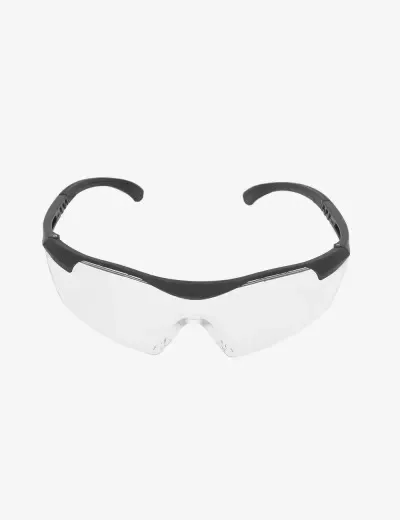
For general tasks where there is a risk of dust or flying particles, safety glasses can provide a useful layer of protection while allowing clear vision and comfortable movement.
For environments where greater coverage is needed, industrial safety goggles may be more suitable. They can offer protection around the eyes and help reduce the chances of particles or liquids reaching them from the sides.
It is also important to make sure protective eyewear fits properly. Protection that is uncomfortable, loose or difficult to see through may be less effective in practice, as workers may be tempted to remove it.
Make Eye Safety Part of the Routine
Protective equipment works best when it becomes a normal part of the job rather than something used only when a supervisor is present. Employers can support this by providing suitable equipment, explaining how to use it and regularly checking that it remains in good condition.
Workers should also take responsibility for their own protection. Before using eyewear, check for cracks, scratches or other signs of damage. Clean lenses regularly so that visibility is not affected.
A few simple habits can make a meaningful difference:
- Assess the task before beginning work.
- Use eye protection suited to the specific hazard.
- Check that eyewear fits securely and comfortably.
- Keep protective eyewear clean and in good condition.
- Replace damaged or badly scratched equipment.
Eye protection is a small part of workplace safety, but its importance should never be underestimated. Taking the time to understand hazards and use suitable protection can help workers carry out their jobs with greater confidence while reducing avoidable eye injuries.