Sign up with Google
 Sign in with Zoho

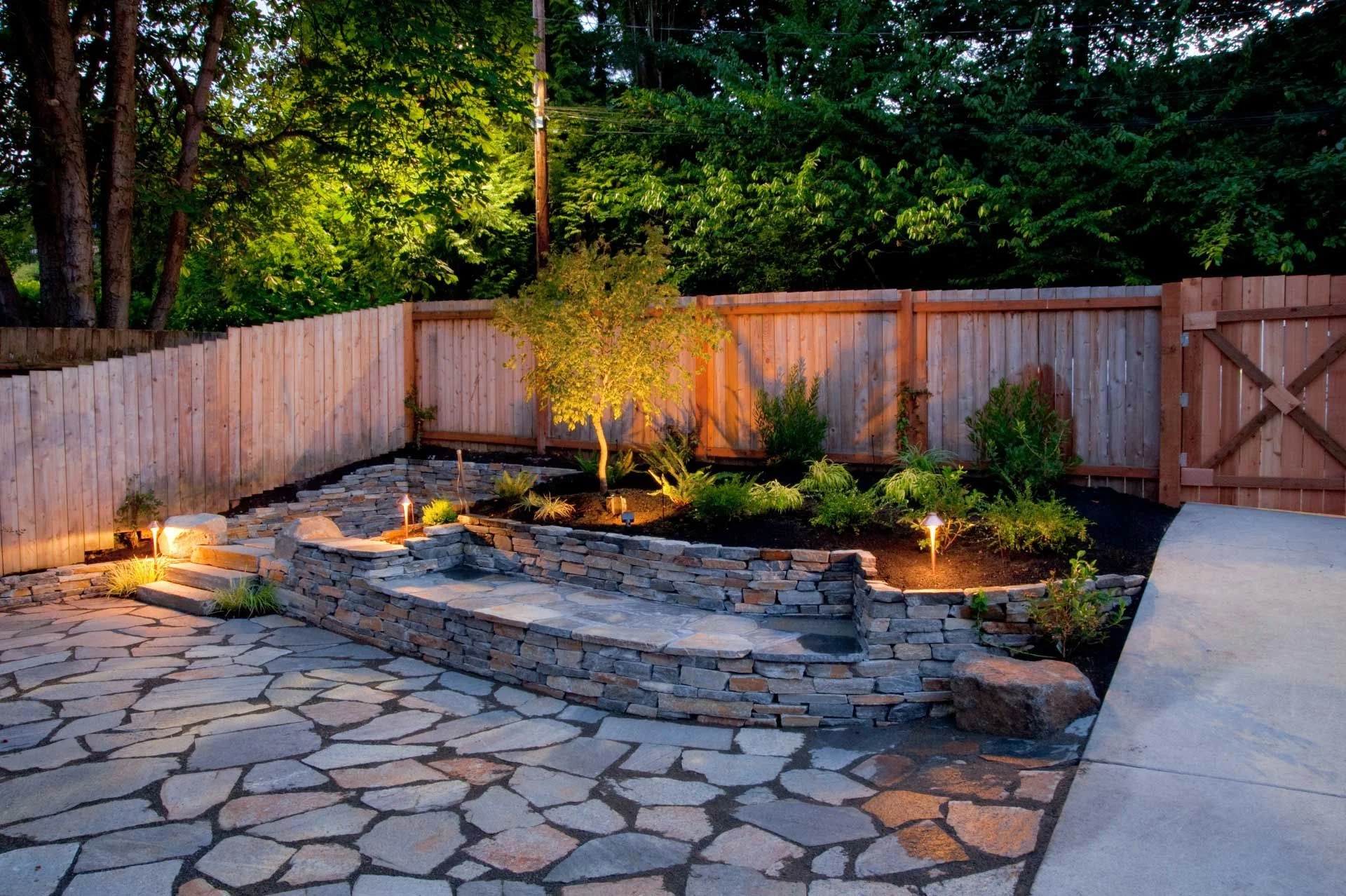
Most backyards start out as a patch of grass and a good intention. A few years later, that patch is either the place where the whole family ends up on weekends, or the corner everyone walks past. What separates the two is rarely size or budget. It comes down to a few well-chosen upgrades that make the space easier to use.
That is why hardscape contractors Huntsville, AL homeowners speak with often suggest the same short list of projects. They add comfort right away and tend to hold their value when it’s time to sell. Here are five that are worth your attention.
1. A Well-Built Patio
If you only do one thing, make it a patio. It gives you a dry, level spot for meals, a grill and a few chairs, and it turns unused grass into a real room. Size matters here. Around 10 by 12 feet fits a small table comfortably, and larger if you like to host. What matters most is the base underneath. A patio set on compacted gravel stays flat for years, while one set on bare soil starts sinking quickly. Pavers, stone, and stamped concrete all work, so choose by budget and the look of your house.
2. A Retaining Wall That Makes Slopes Usable
North Alabama has plenty of hills, and a steep yard is hard to enjoy. A retaining wall holds soil back and creates flat levels you can plant, mow, or sit on. Walls need real planning, though. Height, soil type, and the weight above the wall all affect the design, and water has to have a way out behind it. This is where good hardscape contractors Huntsville AL residents trust make the difference, because a wall without drainage tends to bulge or crack within a few seasons. Ask how water will escape before you agree to anything.
3. Proper Drainage
Drainage isn’t glamorous, but it protects everything else you build. Heavy rain can wash out mulch, undercut a patio, and push against walls. Gravel trenches, buried pipe, and careful grading send water where it belongs. Adding these during construction costs far less than tearing out finished work later. Buyers may not notice good drainage, but they will notice a soggy yard.
4. A Fire Pit With Seating Walls
Few features get used as often as a fire pit. Cool North Alabama evenings make it a natural gathering spot from fall through spring. Pair it with a low wall about 18 inches high, and you get built-in seating without crowding the patio with chairs. Keep it a safe distance from the house and any overhanging branches, and check local rules before building.
5. Walkways, Steps and Lighting
These details finish a yard. Stone or paver steps give steady footing on a slope, and a clear walkway links the driveway, patio and back door. Low lights along paths and steps make the space safer after dark and bring out the texture of the stone. Plan the wiring before the paving goes in, so nothing needs to be dug up later.
How to Choose Where to Start
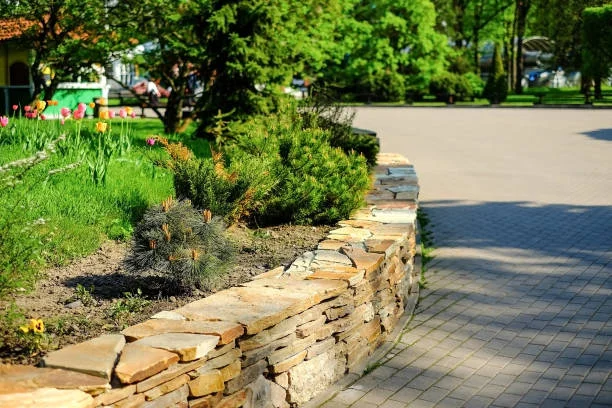
You don’t have to build everything at once. Start with the problem that bothers you most, such as water, a slope, or a lack of seating, then add the rest in stages. Share the full plan with your contractor first, so early work fits what comes next. Setting a rough budget before you call anyone also keeps conversations honest. It’s much easier to adjust a plan on paper than to adjust a half-built yard.
A Local Team to Consider
If you’re collecting names for a shortlist, Legacy Outdoor Services is worth a call. They’re a family-owned company serving Huntsville, Madison and Athens, and they offer free consultations. They handle walls, patios, drainage and landscaping under one plan, and their 3D designs help you picture the result before work begins.
Final Thoughts
The upgrades that add the most value are the practical ones: a solid patio, a safe slope, good drainage and a place to gather. Skip the trends and focus on what you will actually use. Talk with a few hardscape contractors Huntsville AL has to offer, ask plenty of questions, and get the plan in writing. Done right, these projects pay you back every season you spend outside.
FAQs
1. Which backyard upgrade adds the most value?
Patios, retaining walls and well-planned outdoor living areas usually appeal most to buyers, since they add usable space. Value depends on quality, design and how well the work suits your property. A smaller, well-built project often beats a large one that’s poorly planned.
2. How much should I budget for a backyard hardscape project?
Cost depends on size, materials, excavation, access, and drainage needs. A small patio costs far less than a terraced yard with walls and steps. Reliable pricing only comes after a site visit, so request written estimates from several companies before setting a final budget.
3. Do backyard upgrades need permits?
Sometimes. Small patios often don’t, but retaining walls above a certain height or near property lines may need review. Rules vary by city, neighborhood, and HOA. Ask your contractor, and check with the local building office before work begins.
4. How long do hardscape features last?
With a solid base and good drainage, pavers, stone and walls can last for decades. Poor preparation shortens that quickly. Keep drains clear, sweep debris, and fix small shifts early. Climate, soil and how heavily an area is used also play a part.
5. Can I build my backyard upgrades in stages?
Yes, and many homeowners do. Start with the part that solves your biggest problem, such as drainage or a wall, then add a patio or lighting later. Share the full plan with your contractor first, so each phase fits the next.