Sign up with Google
 Sign in with Zoho

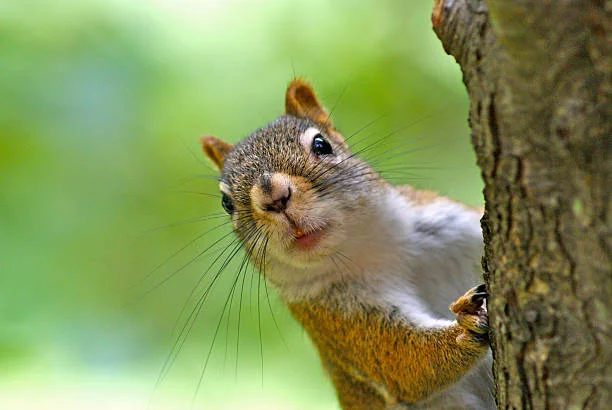
Nobody calls about squirrel removal near me the first day they hear scratching. It’s always week two, maybe three, after they’ve tried turning the TV up and telling themselves it’s a branch on the gutter. I did the same thing at my own place years ago. Anyway, the reason they come in is pretty dull. A mother squirrel wants somewhere dry and warm and quiet to have babies, and an attic is basically that, with free insulation. Spring and late summer are busy times. The hole doesn’t need to be big, about the size of a golf ball, and honestly sometimes smaller than that. If it’s almost big enough she’ll just chew it wider. Soft fascia, a loose ridge vent, the little gap where the chimney meets the siding. If there’s a tree limb hanging over your roof, that’s a ramp. They’ll jump six or eight feet like it’s nothing.
Is It a Squirrel, a Rat, or Something Else?
Time of day is the quickest clue. Squirrels run around when the sun’s up, so you hear them early in the morning and again late afternoon, scratching, scampering, sometimes a rolling noise like a walnut got dropped. Rats are the night crew and they sound heavier. If the racket starts right when you’re falling asleep, I’d lean rats or mice.
Go outside though. I mean it. Most people stand in the hallway staring at the ceiling when the answer’s on the roof. Chewed wood at the corner of the soffit, twigs poking out of a vent, rub marks around a hole. Droppings are another one, squirrel droppings are smooth and dark, like fat rice, and rat ones are longer with pointy ends.
So Can They Actually Start a Fire?
Yes, they can. It’s not the most common thing, but it happens, and it’s the part that makes me take these calls seriously.
Squirrel teeth never stop growing. So they chew all day, on wood, on plastic, on wire. Wire coating is soft and easy. Once the copper’s exposed in a dry attic full of old insulation and dust, you’ve got a problem waiting for a spark. Fire investigators have blamed rodent chewing for house fires more than once, and nobody finds out until after.
What Else Do They Wreck Besides Wires?
The slow stuff, which adds up. Urine soaks right through the insulation and keeps going into the ceiling drywall, and one day you notice a brown stain and think it’s a roof leak. Droppings pile up in corners. Fleas and mites and ticks come along for the ride and eventually wander down into the living room. And insulation that’s matted flat and filthy doesn’t insulate, so your power bill creeps up and you blame the weather.
Disease from squirrels isn’t common, I’ll give them that. Still, don’t scoop droppings with bare hands. Please.
Why Doesn’t a Cage Trap Fix It?
Because it catches one squirrel. That isn’t the same as fixing the problem, and people mix those up all the time.
Say you catch her and she was a mother. The babies are still up there. They cry for a day, maybe two, then they go quiet, then the smell shows up. It’s a terrible way to find out, and in plenty of places it breaks wildlife rules too. Mothballs don’t scare squirrels, they just make the attic reek. Those ultrasonic gadgets work for about a week and then the squirrels ignore them. Plug a hole with one still inside and it’ll chew out somewhere worse.
The biggest mistake, though, is patching the one hole you found. There’s almost always a second. Sometimes a third. They’ll gnaw right beside your patch like you dared them to.
What Does a Real Removal Look Like?
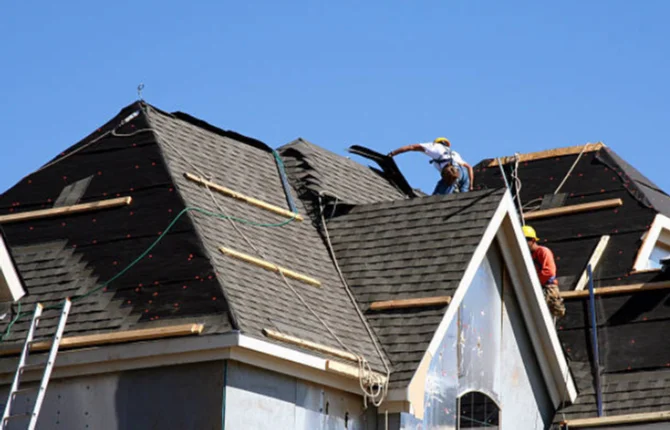
Somebody has to climb on the roof and look at everything. Soffits, ridge and gable vents, the chimney, any place siding meets the roofline. You want every entry point, not just the loud one.
Then it depends on the season. If there aren’t babies, a one-way door goes over the main hole. The squirrels leave to find food and can’t get back in, and that’s pretty much it. If it’s nesting season, a decent tech finds the babies and moves them with the mother to a safe spot right outside, so the family stays together. Sealing comes next with heavy gauge metal, because foam and window screen last about one night, and then cleanup, which people skip. Droppings out, area deodorized, wet insulation pulled and bagged. Leave the smell behind and the next squirrel reads it as a vacancy sign.
What Will It Cost, and What About the Insulation?
Depends, and yeah I know. A simple exclusion with a few repairs can run a few hundred bucks. A full attic with a litter, chewed wires and soaked insulation can reach the thousands. Roof height, number of holes, how bad the mess is, all of it moves the price. Super cheap quotes usually skip sealing or cleanup, so ask about a warranty, and be careful with a number over the phone from somebody who never saw your roof.
The old insulation is usually ruined and has to come out. Real respirator, not a paper mask, plus gloves and long sleeves. Don’t dry sweep and don’t use a normal vacuum, it blows the dust everywhere. Spray disinfectant first, bag it all, then seal every hole before new material goes in. Mineral wool and closed-cell spray foam resist chewing better than fiberglass, but nothing’s truly proof, so the sealing matters way more.
Is It Always Just Squirrels Up There?
Not always, and this catches people off guard. Plenty of attics have a second tenant. A hole big enough for a squirrel works for rats too, and anyone who’s dealt with rat removal Houston knows how that goes. They work nights, they squeeze through gaps about the size of a quarter, they multiply like crazy, and they need a tougher trapping and sealing plan than squirrels do. So you can have squirrels all day and rats all night and basically no sleep at all.
That’s why I tell people to get the whole attic looked at, not just the one animal they’ve seen. Fix half the problem and the noise keeps going, and then you’re out the money and still staring at the ceiling.
Final Thoughts
Squirrels don’t leave because you waited politely. It gets louder, messier, more expensive, and babies make everything harder. Hear them, go look. Don’t wait for a ceiling stain.
A little prevention helps. Cut branches back about eight feet from the roof, put metal screening over vents, fix rotted wood early. If you’d rather not climb a ladder toward an angry animal, which is fair, call somebody who does it every week. Elite Wildlife Services handles the inspection, humane removal, sealing and cleanup, so you’re not left wondering whether it’s really done.
Frequently Asked Questions
Will squirrels leave the attic on their own?
Sometimes, but I wouldn’t count on it. With a nest and babies, the mother stays. Waiting usually just means more damage.
Can I trap and relocate squirrels myself?
It depends on your state and sometimes your city. Many places restrict moving wildlife, and trapping during baby season can break humane laws. Check local rules or hire a licensed pro.
How long does squirrel removal take?
Usually a few days to a couple of weeks, depending on whether exclusion doors are used and whether babies are involved. Sealing and cleanup add another day or two.
Does homeowners insurance cover squirrel damage?
Depends on the policy. Some cover sudden damage like a fire from chewed wires, while many exclude ongoing rodent damage. Call your insurer and ask.
Do I have to replace the insulation after squirrels?
Usually, yes. Urine and droppings soak in, and the scent attracts new animals. Removing the soiled insulation is part of a proper cleanup.