Sign up with Google
 Sign in with Zoho
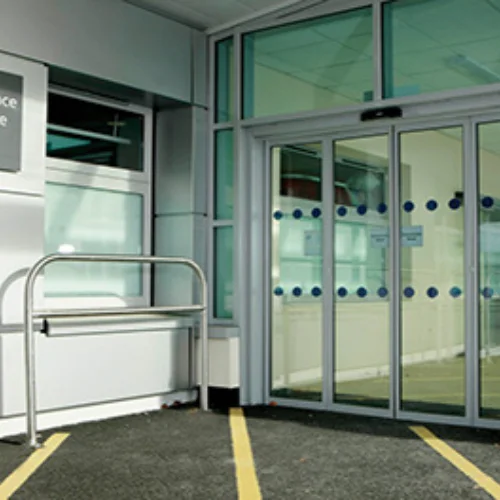
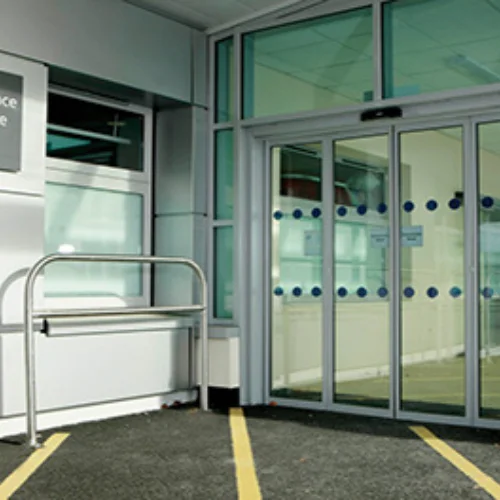
When dozens or hundreds of people enter and leave a building within a short period, even a small entrance bottleneck can disrupt daily operations. Employees may arrive together, customers may gather near reception areas, and delivery personnel may need access without interrupting pedestrian movement. An Automatic Sliding Door can support smoother entry and exit when its configuration matches the building's traffic patterns and available space.
For offices, shopping centres, hospitals, hotels, and commercial facilities in Bangalore, planning an entrance around real usage is essential. Rather than selecting a door based on appearance alone, businesses should consider how people approach, pass through, and move away from the entrance.
Why Peak-Hour Entrance Planning Matters
Entrance congestion is not always caused by the door itself. Narrow approach areas, poorly positioned reception desks, queues, nearby furniture, and conflicting entry and exit movements can also slow pedestrian flow.
An automatic sliding door uses a powered mechanism and typically relies on sensors to detect approaching users. The panels slide sideways instead of swinging into the passage, which can be helpful in layouts where swing clearance is limited.
However, an automatic mechanism does not automatically eliminate congestion. The doorway, surrounding circulation space, sensor configuration, and expected pedestrian volume must work together.
Four Ways to Plan a More Efficient Entrance
1. Understand When Traffic Peaks
Start by observing the building during its busiest periods. An office may experience concentrated movement at the beginning and end of the working day, while a retail entrance may become busier during evenings or weekends.
Understanding these patterns helps facility managers assess whether the existing entrance can accommodate normal movement. It also provides useful information when comparing door configurations and operating requirements.
2. Evaluate the Clear Opening Width
The available passage width influences how comfortably people can move through an entrance. Businesses should consider the number of users, expected traffic direction, and whether people commonly carry bags, packages, or equipment.
When evaluating automatic sliding glass doors in Bangalore, measure the opening accurately and confirm the clear passage available after installation. The selected configuration should also meet applicable building, accessibility, and safety requirements.
3. Prevent Bottlenecks Around the Doorway
A well-designed entrance needs enough space on both sides for people to approach and move away. Reception counters, security desks, product displays, and waiting areas should not unnecessarily obstruct this movement.
Where entry screening or visitor registration is required, consider how queues will form and whether they could interfere with the automatic door's operating area.
4. Match Sensor Operation to Pedestrian Movement
Sensors need to detect approaching users appropriately under the expected operating conditions. Their coverage, positioning, and safety functions should be assessed against the entrance layout.
Businesses should ask qualified installers how the proposed system handles frequent movement and what safety features are provided. Sensor settings should be configured according to the manufacturer's specifications rather than adjusted informally to increase throughput.
What Should Businesses Consider Before Installation?
Before choosing an auto sliding door, review the building's entrance dimensions, anticipated peak traffic, available side space, electrical requirements, and maintenance arrangements.
Glass selection and frame design should suit the building's application and relevant safety requirements. In addition, automatic doors require periodic inspection of moving components, sensors, and safety functions.
For entrances experiencing persistent congestion, businesses should also assess pedestrian routes, signage, queue placement, and the organisation of nearby spaces. Improving these surrounding conditions may be just as important as changing the door system.
Why Choose Cosyst Devices in Bangalore?
Businesses comparing an automatic sliding door supplier in Bangalore should evaluate product suitability, installation requirements, technical specifications, and ongoing service considerations.
Cosyst Devices offers automatic sliding door solutions for commercial and industrial applications. Businesses planning a new entrance or upgrading an existing one can discuss their opening dimensions, expected traffic levels, building layout, and operational needs when evaluating suitable options.
Before finalising a system, confirm its clear opening dimensions, sensor capabilities, safety features, installation requirements, and recommended maintenance procedures. A site-specific assessment helps establish whether the proposed configuration suits the facility's daily pedestrian movement.
Frequently Asked Questions
Can an automatic sliding door reduce entrance congestion?
It can support convenient movement when correctly selected and installed, but congestion also depends on doorway width, surrounding space, queues, and pedestrian traffic patterns.
What door width is suitable for a busy commercial entrance?
The appropriate width depends on expected traffic, building use, accessibility requirements, and applicable regulations. Measurements and a professional site assessment help determine the suitable configuration.
Are automatic sliding glass doors suitable for offices and shopping centres?
They can be suitable for many commercial environments, provided the system's specifications, safety features, and installation match the building's requirements.
How can businesses improve entrance efficiency?
Assess peak-hour traffic, keep approach areas clear, plan queue locations, and select a door system appropriate for the expected movement.