Sign up with Google
 Sign in with Zoho

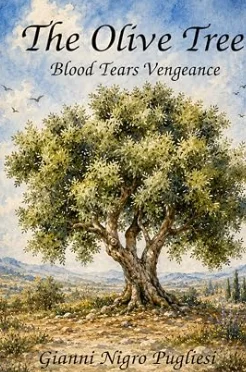
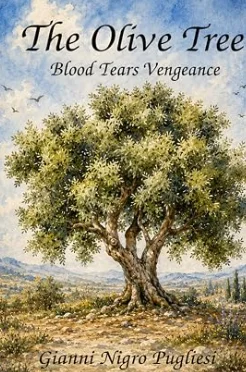
Gianni Nigro Pugliesi builds his Sicilian saga around that question. Most revenge stories sprint toward the payoff. The Olive Tree: Blood Tears Vengeance slows down, and the slow pace is exactly why it hits so hard.
A Tree That Outlasts Everything
The book opens before Chapter 1 with a short history of the Petrocelli olive orchard, first planted on April 2, 1621. Wars rolled over it. Foreign armies occupied the land. Owners gave up and walked away. One tree kept growing, and experts call it the oldest olive tree in Sicily, more than 400 years old.
Pugliesi plants his theme right there. Things that last don’t hurry.
Power Moves Fast
Then the story introduces Don Coluccio, a mafia boss who wants the olive and lemon orchards of Mount Missirio. Pugliesi writes his power as loud, quick, and sure of itself. Coluccio’s lawyers push. His reputation scares. Neighbors sell, or worse.
Carmela Spezzano, a widow who owns the lemon orchard next door, feels that pressure every day. Pugliesi never turns her into a cartoon victim. She thinks, calls for help, and acts. Readers who have ever stood against someone bigger will recognize her nerves, and her nerve.
Patience Starts With Survival
Here is the part many readers miss on first glance: patience in this book does not begin with a plan. It begins with staying alive.
In September 1990, two young cousins, Emilio and Remo, lose their world in a single afternoon. Pugliesi handles that moment with weight and care, and this article will leave the details for the page. What matters is what comes next. Carmela steps in. Her cousin Rocco steps in. Strangers become lifelines. The boys escape Mount Misery, and the story follows them through the long, quiet work of building a life.
The chapter titles trace that climb: “Escape and Survival,” “The Family They Built,” “Love, Loss, and Legacy,” “The Making of Two Men.” Each one asks the boys the same thing. Grow up first. Get strong. Then decide.
What Readers Can Take From It
Anyone who has carried anger for a long time knows the pull toward fast action. A betrayal, a loss, an injustice: the heart wants an answer today. Pugliesi offers a different answer, and it works as a quiet kind of problem-solving.
- Protect first. Nobody can fight from the grave. The story treats safety as step one.
- Build real skills. The boys grow into their own talents. One has a gift for computers, and the other for money. Their strengths, not their rage, give them leverage.
- Lean on people. Carmela, Rocco, and a father figure who steps in with love all help the boys.
- Keep the promise. A dying man asks the boys to finish school. They agree, and they honor it.
Pugliesi suggests that moving on and moving forward are different. The boys never forget. They simply refuse to let grief make their choices for them.
Why This Book Earns Your Trust
It shows real texture. Pugliesi fills the pages with family businesses, printing shops, olive oil labels, shipping lines, property deals, and the paperwork behind them. These details make the world feel lived in. Readers sense an author who respects his setting.
It has a clear shape. Eight chapters move from “Roots of Sicily” to “Justice Under the Olive Tree.” Every chapter moves the long game forward.
It stays honest about its tone. This is a mature story. It contains violence and rough language, and it treats loss seriously. Readers who enjoy gritty crime fiction will feel at home. Readers who prefer gentler stories should know what they are choosing.
A Quick Question Before You Go
If a powerful person wronged you and you had decades to answer, what would you do first? Would you strike, or would you build?
Readers who pick “build” will find a kindred spirit in this book. Readers who pick “strike” will find the book tests that instinct, scene by scene.
Who Should Pick It Up
This saga fits readers who:
- love multigenerational family stories with deep roots
- enjoy crime fiction set in Sicily
- want a revenge story with brains behind the anger
- appreciate stories about loyalty, loss, and legacy
The Final Word
Power makes noise. Patience makes plans. Pugliesi bets that the second one wins, and he spends 300 pages proving his case with heart and grit.
The old olive tree still stands at the end of the story’s long history, and it has plenty to say about who deserves the last word. Readers who want to hear it should open The Olive Tree: Blood Tears Vengeance and start at the roots.
What would you build with decades of patience? Share your answer with fellow readers, then pick up a copy and see how Pugliesi answers the same question.