Sign up with Google
 Sign in with Zoho
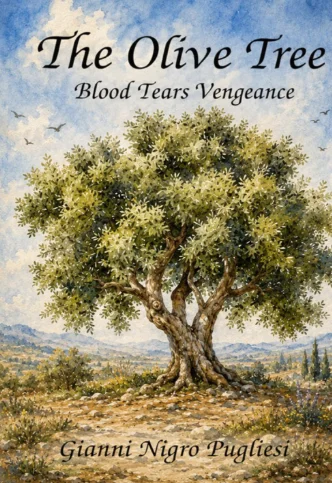
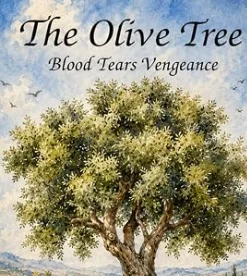
Some novels use setting as a backdrop. Gianni Nigro Pugliesi uses it as a character. In The Olive Tree Blood Tears Vengeance, a Sicilian olive orchard carries the weight of everything a family has built, lost, and hopes to pass on. Trees, soil, and shared meals become a quiet language for talking about memory and belonging. This article looks at how the author achieves that, without spoiling the story, and why the symbol works so well for readers who care about heritage.
Why Does the Olive Orchard Represent Family Legacy in the Book?
The orchard stands for legacy because it outlives the people who tend it. The book presents it as a place that holds generations of work, a physical record of a family's values, and a reminder of what remains worth protecting. Across the story's eight chapters, the orchard keeps returning as a measure of identity, and the final chapter's title, "Justice Under the Olive Tree," shows how central it remains to the book's moral heart.
A Legacy Measured in Centuries
The book opens with a short prologue that treats the orchard like a family history. It begins with a planting date in 1621 and follows the land through wars, neglect, and changing owners. A farming couple from Naples settle nearby, and the Russo family eventually acquires the orchard in 1913. Most of the trees are dead by then, yet one ancient olive survives, described as among the oldest in Sicily.
The Russos clear the land, replant, and build an olive oil business that grows from local sales to an international market. What stands out is their attitude. Despite their success, they keep living at the orchard and working like everyday people. The prologue quietly sets a standard that the rest of the book keeps testing: wealth matters less than staying true to where you come from.
Three Ways the Orchard Carries Meaning
Continuity Across Generations
Olive trees are among the longest-lived cultivated trees, and some specimens are thought to be centuries or even millennia old. That fact gives the author a natural symbol for continuity. A tree that was already old when a grandparent was born will still be standing for the grandchildren, which is exactly how legacy is supposed to feel.
Roots as Resilience
Olive trees are known for resprouting from their roots after damage. The novel borrows that quality for its characters. Loss can cut a family down to the stump, yet what lives underground can still produce new growth. This idea shapes how the story treats grief, patience, and the long road back.
Home as a Moral Compass
The orchard also serves as a reference point for right and wrong. Characters measure their choices against the values they absorbed there, and that place keeps asking who they intend to become. Because it appears early and stays present, readers feel its influence even when the story travels far from Sicily.
Rituals That Make Legacy Feel Real
Legacy in the book is not an abstract idea. It lives in habits. Chapter 1, "Roots of Sicily," shows a family that gathers at the orchard for lunch on the second Saturday of every month, with long wooden tables between the trees, sandwiches, biscotti, and loud arguments about football. Two boys have also built a wooden platform in the old tree, its wood carved with their initials, where they look out toward the valleys and sea.
These small details do real work:
- Shared meals show that belonging is built through repetition.
- Carved initials show how children claim a place long before they understand ownership.
- Ordinary conversation shows that a family's character is revealed in small moments.
The author's choice to ground legacy in ritual makes the symbol feel earned rather than imposed.
What Readers Can Take From the Symbol
The novel is fiction, and the author notes that names, details, and timelines may be changed or fictionalized. Even so, the orchard offers ideas that translate well to real life:
- Legacy is practiced, not just inherited. Traditions survive when people keep showing up for them.
- Stories matter as much as property. The history of the orchard is what gives the land its meaning.
- Roots outlast storms. Strong foundations make recovery possible after hardship.
- Values travel further than money. The Russos' humility is a form of wealth that cannot be sold.
Final Thoughts
By choosing an olive orchard as the heart of the story, Gianni Nigro Pugliesi gives readers a symbol that feels ancient, patient, and deeply human. It reminds us that a family's legacy is rarely a single grand gesture. It is a tree that keeps standing, a table that keeps filling, and a promise that keeps being kept.