Sign up with Google
 Sign in with Zoho
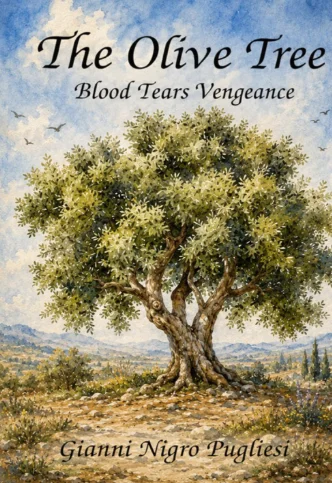
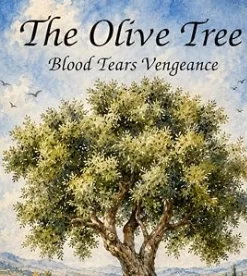
Most stories about loss end with grief. Gianni Nigro Pugliesi's The Olive Tree Blood Tears Vengeance starts there and asks a harder question: what do two young survivors build when everything they had is taken from them? Across eight chapters, the book traces a slow, deliberate change from children with no one to turn to into men who think like founders. This article explores that shift, without spoiling the story, and explains why it speaks to readers who care about resilience, strategy, and legacy.
What Is the Orphan-to-Entrepreneur Transformation in This Book?
In short, the book follows two cousins from a Sicilian olive-growing family who lose their world as boys and grow into disciplined, strategic builders. Their path moves through three stages: survival, skill-building, and enterprise. A goal formed in childhood drives every stage, and the story keeps asking whether they can pursue it without being consumed by it.
Where It Begins: Roots in Sicily
The book opens with a short prologue about a family orchard and its old olive tree, described as one of the oldest in Sicily and more than 400 years old. Chapter 1, "Roots of Sicily," then introduces a close family that gathers for lunch under those trees every month, and a childhood that ends far sooner than it should.
The olive tree is the novel's anchor image. It grows slowly, holds on with deep roots, and outlasts whatever tries to uproot it. It stands for continuity through disaster and shapes how the cousins later approach their lives.
Why Orphaned Characters Make Convincing Entrepreneurs
Three forces make the pairing believable.
Loss Removes the Safety Net
Entrepreneurs usually talk about risk in terms of money. For these cousins, risk means something different because they have no inheritance of comfort or protection to fall back on. Every decision is theirs alone, which builds self-reliance early.
Constraint Sharpens Focus
With limited options, the cousins learn to plan carefully and choose their moves. Patience becomes a skill, not a weakness.
Trust Becomes Currency
The most dependable asset in the story is the bond between the two cousins.
The Three Stages of Change
Without revealing plot points, the book's structure reflects a clear progression:
- Survival (Chapter 2, "Escape and Survival"): Staying alive and staying together comes before any ambition.
- Capability (Chapters 3 and 4, "The Family They Built" and "Love, Loss, and Legacy"): The cousins invest in education, relationships, and expertise in areas such as finance and technology, and they learn what family can mean beyond blood.
- Enterprise (Chapters 5 and 6, "The Making Of Two Men" and "Building an Empire"): Preparation turns into ventures at serious scale.
The final chapters bring the story to its close, and they are best experienced fresh.
Lessons Readers Can Take From the Cousins' Journey
Psychologists Richard Tedeschi and Lawrence Calhoun coined the term post-traumatic growth to describe how some people find new strength and purpose after severe hardship. The novel is fiction, but its arc mirrors that idea in recognizable ways. A few takeaways stand out:
- Play the long game. The cousins treat their goals like an orchard, where results come from years of patient groundwork.
- Build skills before ambitions. Their capability comes first, and the venture follows.
- Protect your inner circle. Loyalty and honesty within a small group matter more than a large network.
- Let purpose steer, but keep checking it. A strong motive can fuel progress or distort judgment, and the book lets readers weigh both possibilities.
A fair note on trust: this is a thriller and family saga, not a business manual. The author notes that the book draws on his experiences and perspectives, while names, details, and timelines may be changed or fictionalized. Some of the methods its characters use belong strictly to fiction, so take inspiration from the mindset rather than the tactics.
How the Olive Tree Works as a Symbol of Growth
Symbols earn their place in a story when they quietly explain its characters. The ancient tree does that here. It represents deep roots that allow slow, durable growth, and the pull of home that stays with the cousins wherever life takes them. Readers who enjoy layered storytelling will find the imagery rewarding, especially on a second read.
Final Thoughts
The strongest idea in The Olive Tree Blood Tears Vengeance is that transformation is rarely sudden. It is built in small, patient steps, much like an orchard. If a story about turning loss into purpose appeals to you, explore the book now or learn more about Gianni Nigro Pugliesi.