Sign up with Google
 Sign in with Zoho


If you have ever stood on a golf course clutching your driver and wondering exactly where you are allowed to place your ball, you are not alone. Every single golfer, including the pros you watch on television, started out confused about the teeing ground and what it actually means. It sounds like a small detail, but getting it right sets the tone for your entire hole. I still remember my first round with a buddy who had been playing for years. He casually said, "just tee it up between the markers," and I nodded like I understood, when really I had no clue what he meant. That little moment of confusion is exactly why this guide exists, so you never have to fake a nod on the first tee again.
What Is the Teeing Ground in Golf?
The teeing ground, often just called the tee box, is the starting zone for every hole on the course. It is defined by two markers placed a few paces apart, and your ball needs to sit within that rectangular area, or slightly behind it, before you swing. Think of it as your launch pad. You are not required to tee the ball up exactly in the middle either, so feel free to favor one side depending on how the hole bends left or right
Why the Tee Box Matters?
Picking the right spot in the tee box can genuinely change your shot. If a hole doglegs left, teeing up on the right side of the box often opens a better angle. It seems minor, but seasoned players use this small positioning trick constantly to set up easier approach shots.
Common Beginner Mistakes
New players often tee up in front of the markers without realizing it, which leads to a penalty. Others stand so far behind the markers that they lose the benefit of the forward tee position entirely. Both mistakes are easy to avoid once you know the boundary rules.
Understanding Tee Markers and Colors
Tee markers usually come in different colors, and each color represents a different set of distances for the course. Red often signals forward tees, white or yellow are typically standard for casual or intermediate players, and blue or black usually mark the tips for more advanced golfers. Choosing the right color is less about ego and more about matching the course length to your comfort level and skill.
How to Choose the Right Tees?
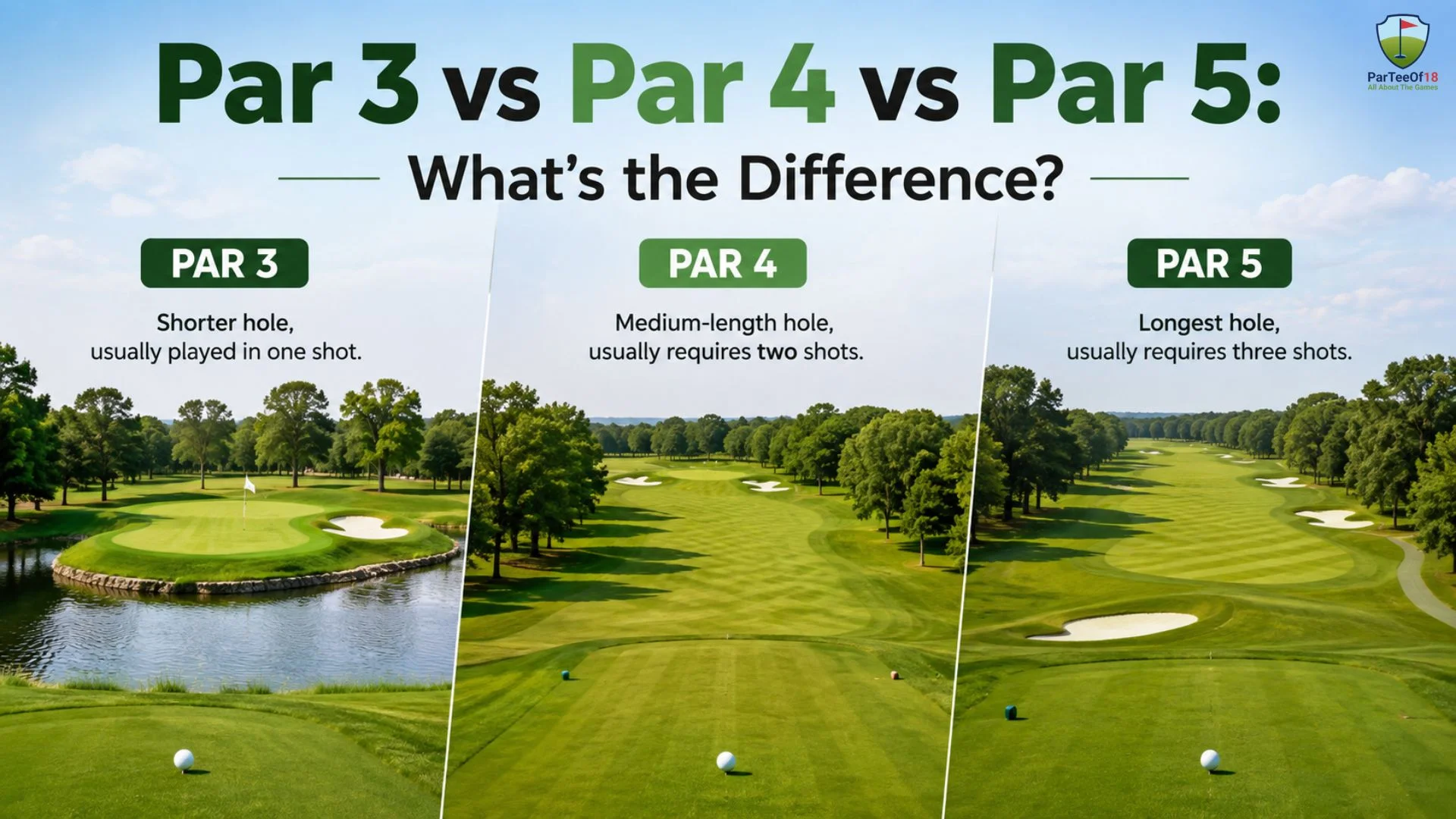
A good rule of thumb is to pick tees that let you comfortably reach par fours in two solid shots. If you are consistently struggling to reach greens in regulation, moving up a set of tees can make the entire round more enjoyable and far less frustrating.
Tee Colors Are Not Universal
One thing that trips up new players is assuming tee colors mean the same thing everywhere. A course in one state might use gold for forward tees while another uses red for the same purpose. Always check the scorecard before assuming anything.
Rules Every New Golfer Should Know About the Teeing Ground
Golf has a reputation for being rule heavy, but the teeing ground rules are actually quite forgiving for beginners. You get to tee your ball anywhere within the box, at any height you like, and if your first attempt at a tee shot goes badly out of bounds, most casual rounds allow a friendly do over, even though official rules call for stroke and distance penalties.
What Happens If You Tee Off Outside the Markers?
This is one of the most important things to know as a beginner. The basic Golf Tee Box Rule says your ball must be played from within the marked area, and if you accidentally play it from outside the designated teeing ground during a stroke play round, it typically results in a two stroke penalty, and you must replay the shot from the correct area. In casual rounds among friends, most groups simply ask you to retee without penalty, so do not panic if this happens.
Can You Move the Tee Markers
No, tee markers are considered fixed for the purposes of the round and should never be physically moved to gain an advantage. They are placed by the course staff to define fair play for everyone using that tee box that day.
Real Life Scenario: A Beginner's First Tee Shot
Picture this. Sarah, a first time golfer, steps up to the first tee with her friends watching. She is nervous, unsure whether to tee the ball high or low, and unsure exactly where within the box she should stand. Her friend quietly points out the markers and tells her to line up her shoulders toward the fairway. That small piece of guidance calms her down instantly, and her shot, while not perfect, lands safely in play. This is the kind of moment every new golfer experiences, and knowing the basics beforehand removes so much of that first tee anxiety.
Tips to Feel Confident on the Teeing Ground
Confidence on the tee box comes from preparation, not talent alone. A few simple habits can make a noticeable difference in how relaxed you feel before that very first swing of the day.
- Arrive early enough to take a few practice swings before your group starts.
- Always check which tee color matches your comfort and skill level.
- Line up your shot by picking a target in the distance, not just staring at the fairway generally.
- Keep your tee height consistent so your swing feels familiar every time.
- Do not rush, even if others are waiting, since a calm setup leads to a better shot.
Mental Preparation Before Your Shot
Take a deep breath, visualize the shot you want, and commit fully before you swing. Hesitation on the tee box is often what causes mishits, far more than actual lack of skill.
Practical Gear Tips
Using a consistent tee length and keeping a few spares in your pocket saves time and frustration. Many new golfers also find it helpful to track their rounds using apps like ParTeeOf18 or TheGrint, which log stats and help identify patterns in their tee shots over time.
How Golf Apps Can Help New Players Understand the Teeing Ground?
Technology has made learning golf far easier than it used to be. Apps such as 18Birdies, Hole19, and Golfshot offer GPS mapping of tee boxes, distance tracking, and even shot shape suggestions based on the hole layout. For a beginner still getting comfortable with teeing ground rules, these apps act like a patient coach in your pocket, showing you exactly where you are standing relative to hazards and the fairway.
Using GPS Apps to Pick the Right Tee
Apps like Hole19 and Golfshot display satellite imagery of each hole, so you can see the tee box, doglegs, and hazards before you even swing. This visual reference helps beginners choose smarter angles instead of guessing blindly.
Tracking Progress Over Time
Apps such as ParTeeOf18 and 18Birdies let you log your tee shot accuracy round after round. Over a few months, this data reveals patterns, like whether you consistently slice from the right side of the box, which is incredibly useful for improvement.
Conclusion
The teeing ground might seem like a small technical detail buried in the golf rulebook, but it genuinely shapes how your entire hole unfolds. From choosing the right tee color to understanding exactly where you can and cannot place your ball, these basics remove so much unnecessary stress for new players. Golf rewards patience and preparation far more than raw talent, and mastering something as simple as the tee box is one of the easiest wins you can bank early in your golfing journey. So next time you step up to that first tee, take a breath, pick your spot with intention, and swing with confidence. You already know more than you did before reading this.
Frequently Asked Questions
1. What is the teeing ground in golf?
The teeing ground is the designated starting area for each hole, marked by two tee markers, where players must place their ball before hitting their first shot.
2. Can I tee off in front of the markers?
No, teeing off in front of the markers is against the rules and can result in a penalty during formal stroke play, though casual rounds often allow a friendly retee.
3. Do tee marker colors mean the same thing on every course?
Not always. While red, white, and blue are common, colors can vary between courses, so it is best to check the scorecard for accurate distance information.
4. Which golf apps help beginners with tee shots?
Apps like ParTeeOf18, TheGrint, 18Birdies, Hole19, and Golfshot offer GPS mapping, distance tracking, and shot history that help new players understand tee box positioning better.
5. How do I know which tees I should play from?
Choose tees that allow you to comfortably reach most par fours in two shots. If greens feel consistently out of reach, moving to a forward tee set usually makes the round more enjoyable.
6. Is it okay to tee the ball at any height?
Yes, within the teeing ground you are free to tee your ball at any height that feels comfortable and suits the club you are using.