Sign up with Google
 Sign in with Zoho

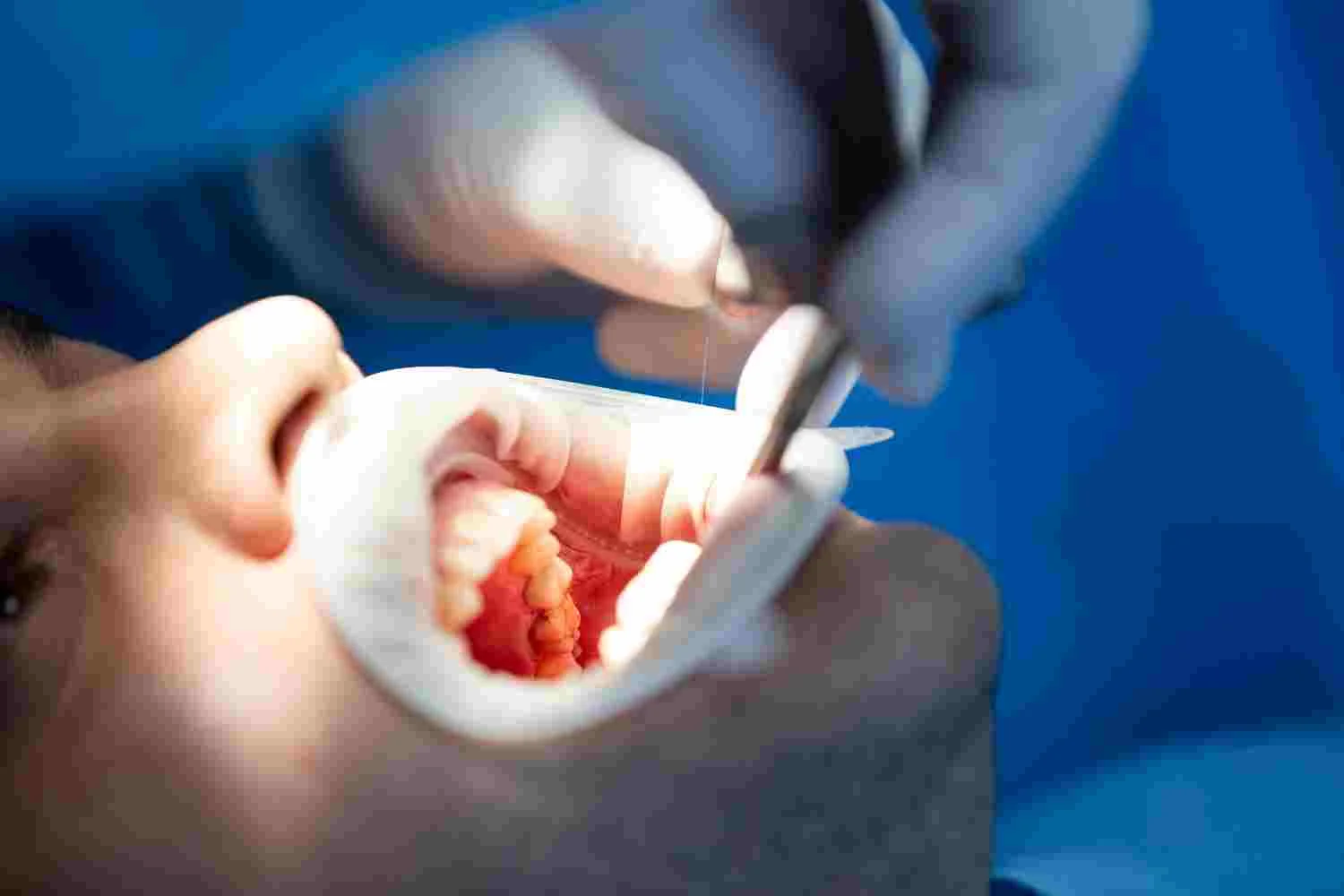
People do not really pay attention to their teeth unless there is a problem. That may be a pain in your teeth when biting into an ice cream, an unbearable toothache at the most inconvenient time, or a child complaining of a toothache just before bedtime. All the preventive care measures are the boring and less exciting aspects of avoiding such situations altogether. However, this depends on your age.
Here are the preventive care measures by age group and the reason why it is necessary to take them seriously before you actually have a problem.
Prevention Beats Treatment, Every Time
Early detection is virtually always going to cost far less, take less time, and be less traumatic to repair than when you address the problem later on down the road. A tiny spot of decay might just require a simple filling to solve the problem. Neglect it for a couple of years, and you will be facing something like a root canal. Gum disease follows the same pattern. An easily treatable case of mild gum inflammation can easily turn into an irreversible problem.
That's what regular check-ups are all about.
Babies and Toddlers
Feels early to be thinking about dental care before there's even a tooth in sight, but the habits actually start before that. Wiping a baby's gums with a soft cloth, not sending them to bed with a bottle of milk or juice, introducing a soft brush once those first teeth pop through, it all matters more than people expect.
Most guidelines suggest a first dental visit around when the first tooth comes in, or by their first birthday at the latest. Sounds early, and it kind of is, but it's not really about treatment at that stage. It's about a young kid getting used to the whole experience early, and giving a dentist the chance to check things are developing normally.
Children and School Age
This is usually when cavities start becoming a real concern, thanks largely to sugary snacks, juice boxes, and a brushing technique that's often still pretty rough around the edges (parents tend to hand over brushing duties earlier than they probably should). Six-monthly check-ups are the general rule here, and fluoride treatments or fissure sealants often get discussed too, since they help protect the deep grooves in back teeth where decay likes to start.
This age also sets the tone for life, honestly. Kids who grow up thinking of the dentist as no big deal tend to carry that into adulthood, and that attitude alone can save a lot of avoidance and anxiety down the track.
Teenagers
On top of the usual cavity prevention, the teenage years bring orthodontic questions into play, whether braces or aligners are on the cards, and roughly when. Diet becomes more of a factor too, sports drinks, energy drinks, near-constant snacking, all of it chips away at enamel over time. For anyone playing contact sport, a properly fitted mouthguard is worth a conversation, since injuries at this age happen more often than people think, and most are avoidable.
Adults
Once the teenage years are behind them, plenty of people quietly ease off on dental visits. Life gets busy, appointments feel less urgent. But this is often exactly when gum disease starts becoming a real factor, especially if flossing has fallen by the wayside. Six-monthly check-ups are still the general recommendation, along with a professional clean now and then to deal with the plaque and tartar a toothbrush just can't fully shift on its own.
Work stress has a way of showing up in the mouth too. Teeth grinding is common among adults juggling a lot, and it can wear down enamel gradually without anyone really noticing until a dentist points it out during a routine visit.
Older Adults
Preventive care matters just as much later in life, arguably more. Dry mouth from medications, receding gums, a higher risk of decay around the roots of teeth, these all become more common with age. Existing dental work like crowns, bridges, or older fillings also needs the occasional check, since none of it lasts forever. And for anyone wearing dentures, regular visits help make sure they still fit properly, since the shape of the jaw and gums does shift over time.
What Preventive Care Actually Involves
A few things come up again and again, no matter the age group:
- Check-ups roughly every six months, unless your dentist says otherwise
- Professional cleans to clear out plaque and tartar buildup
- X-rays when needed, to catch what's not visible during a standard look in the mouth
- Fluoride treatments or sealants, particularly for kids
- Advice that's actually tailored to you, not just generic tips
None of this is really one-size-fits-all. What makes sense for you depends on your age, your risk factors, your history, which is exactly why an actual assessment beats following generic advice off the internet.
The Daily Stuff That Actually Adds Up
Alongside the professional side, a handful of everyday habits genuinely make a difference:
- Brushing twice a day with fluoride toothpaste, for the full two minutes, not the rushed thirty-second version
- Flossing daily, or using interdental brushes, to get at the spots a toothbrush just can't reach
- Going easy on sugary and acidic food and drink, or at least not sipping on them all day long
- Drinking plenty of water, which helps wash away food particles and supports saliva production
- Swapping toothbrushes every few months, sooner if the bristles are looking worn out
None of this is groundbreaking. But doing it consistently tends to matter far more than doing it perfectly once in a while.
Getting the Whole Family on Board
Getting everyone in a house on the same page with dental care is rarely simple, especially with young kids who'd rather do just about anything else than brush their teeth. A few things tend to help:
- Brushing together as a family, so little ones see it happen rather than being told to just go do it alone
- Keeping the routine consistent, same time, same steps, rather than something that's optional depending on the night
- Booking everyone in around the same time where you can, so dental visits feel like a normal part of family life, not a chore that lands on one person
When Six Months Isn't Soon Enough
Regular visits are usually every six months, but some things shouldn't wait that long: ongoing tooth pain, bleeding gums, a lost filling, anything that just feels off. It's always better to get something checked and find out it's nothing, than to sit on it and let it turn into something bigger than it needed to be.
Getting Started With Taylors Lakes Dental House
If it's been a while since anyone in the family has had a proper check-up, or you're just trying to stay ahead of problems rather than react to them, booking in is honestly the hardest part. As a Taylors Lakes dentist, the team can take a look at where everyone's at and put together something that actually suits your household, rather than a generic routine that doesn't quite fit anyone.
Preventive care doesn't need to be perfect to work. It just needs to be consistent, and getting started usually turns out to be less daunting than putting it off.