Sign up with Google
 Sign in with Zoho
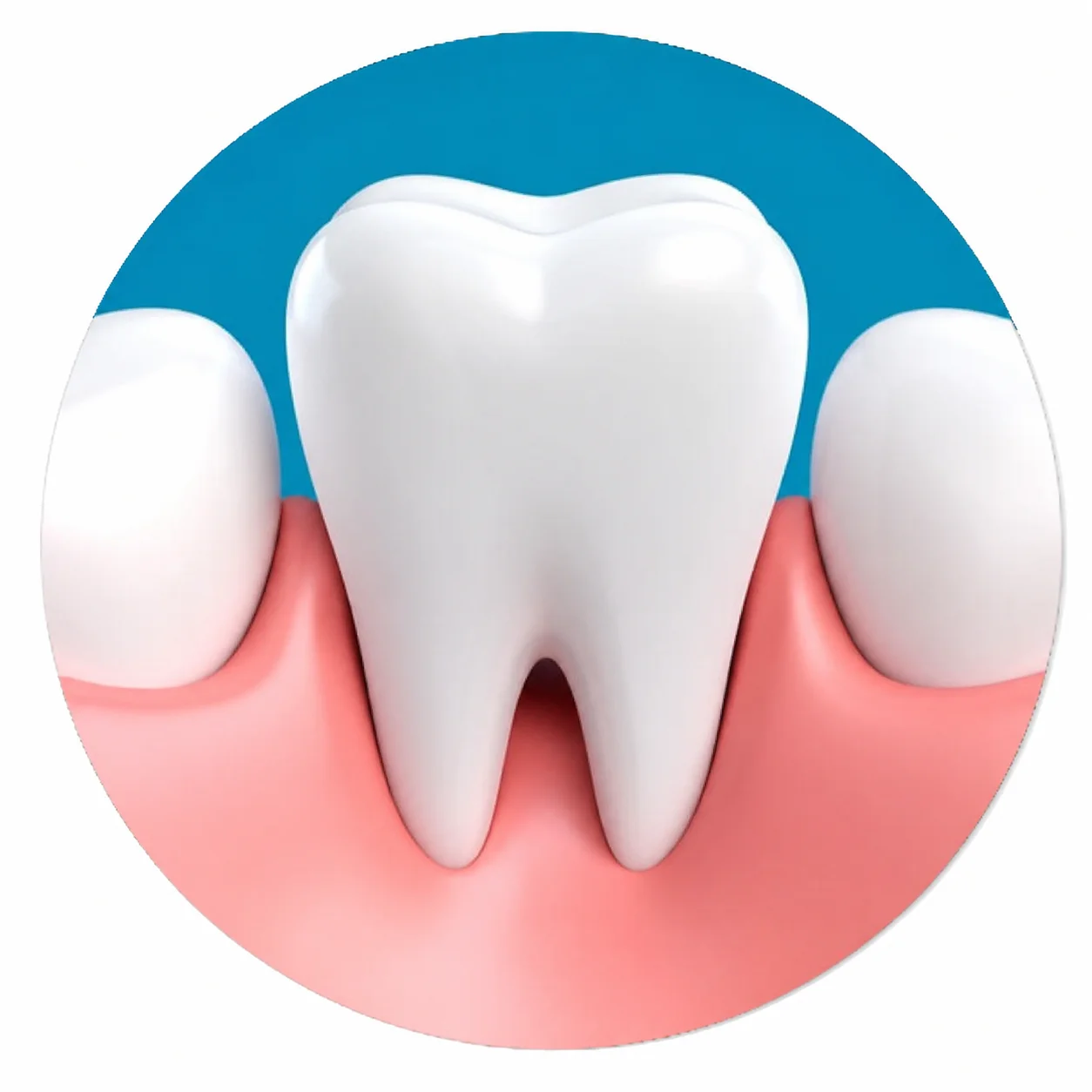
Dental implants require a process to get fitted and installed. So, after all of that is finished and settled in, it only seems logical to want to take care of it correctly. Most people going through dental implants Melton have received some advice on aftercare when receiving the treatment, but sometimes people tend to forget about these things after several months have passed. This happens to us at Melton Dental House a lot, so here is a short guide on what aftercare usually includes.
Why Aftercare Really Matters
It is a well-known fact that implants are made of titanium and cannot be affected by cavities in the same way that real teeth are. However, the gum and the bone around the implants are still prone to such processes as plaque formation. Not taking care of this particular area can result in inflammation or problems with other nearby tissues, which is the reason why aftercare really matters as much as regular care.
Brushing Around Implants
Regular brushing two times a day remains the basis of implant care, similar to how it happens with natural teeth. Most often, a toothbrush with soft bristles is recommended, and it is crucial to take special care of the place where the implant meets the gums because plaque is usually deposited there when the procedure is rushed or skipped. It is sometimes recommended by dentists to use electric toothbrushes, but the choice of toothbrush mainly depends on the patient's condition and preferences.
Flossing and Interdental Cleaning
Flossing around implants is as important as it is with natural teeth. And in some cases, the dentist will prescribe special devices for the cleaning of implants, such as an interdental brush, specific dental floss, or even a water flosser. These will help to clean the places that a usual toothbrush cannot reach easily, for example, the base of the implant crown. If you are unsure of the tools that should be used, it is better to consult your dentist and find out his opinion about that.
Keeping Up with Regular Check-ups
Even once an implant has fully healed, regular dental visits remain important. A dentist can check that the implant is sitting well, monitor the surrounding gum and bone, and pick up on any early signs of irritation or issues before they become bigger problems. How often you should be going in depends on your individual situation, so it's best to follow whatever schedule your dentist recommends rather than assuming a general rule applies.
Watching Out for Warning Signs
It is good to know what to look out for in the meantime. For example, inflammation, sensitivity, bleeding, loosening of the crown around the implant – these are all signs that require you to inform your dentist sooner rather than later. It does not necessarily imply any complications; however, the earlier the problem is diagnosed, the better its treatment usually goes.
Diet Recommendations
After full integration of the implant, the patient is able to have an almost normal diet, except for some recommendations provided by the dentist during the process of healing of the implant. In the long run, it is necessary to be careful about very hard and sticky food that will put additional load on the crown of the implant.
Avoiding Habits That Can Cause Problems
Some behaviours could impact the longevity of the implant. Grinding and clenching of the teeth could cause an implant to be exposed to additional pressure that was not considered during its construction. A night guard may be recommended by the dentist if the patient grinds their teeth while sleeping. There have been reports suggesting that smoking could contribute to higher risks of implant-related complications. If you do smoke, a thorough discussion with the dentist about your oral hygiene and the possible risks would be advised.
What is Included in a Professional Cleaning Session
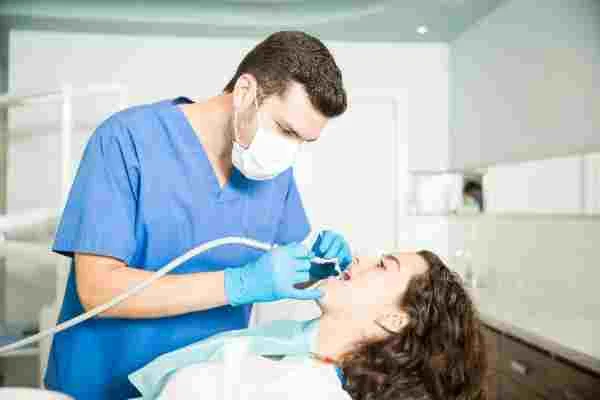
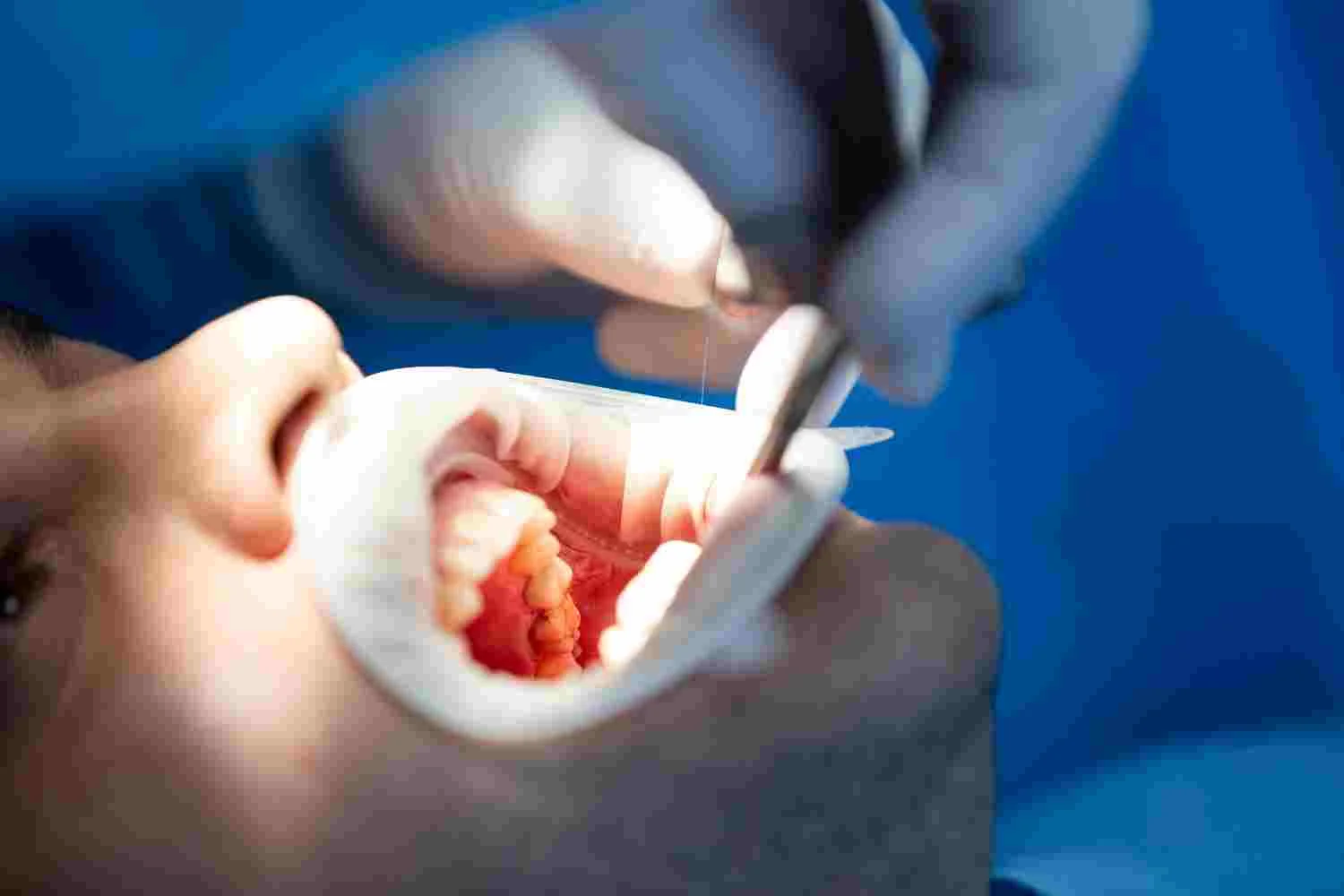
As part of a routine dental appointment, a professional cleaning is usually performed on the area around the implant. This procedure is more thorough than what could be done at home and includes checking the gum tissue around the implant. The professional cleaning process works in addition to daily routines.
A Quick Everyday Checklist
- Brush twice a day, paying extra attention to where the implant meets the gum
- Floss daily, using tools your dentist recommends for implant care if suggested
- Avoid very hard or sticky foods where you can
- Mention any grinding or clenching to your dentist, since a night guard might help
- Keep up with regular dental check-ups, even once everything feels settled
- Get in touch with your dentist promptly if you notice swelling, bleeding, or looseness
Final Thoughts
Caring for a dental implant is not all that dissimilar to caring for your own teeth; however, there needs to be constant care, especially concerning the gums. Aftercare is actually a major factor in determining the longevity of an implant; of course, this all depends on your own situation. If you are unsure of how to look after your own implant, it would be wise to ask your own dentist about this.






.webp)