Sign up with Google
 Sign in with Zoho
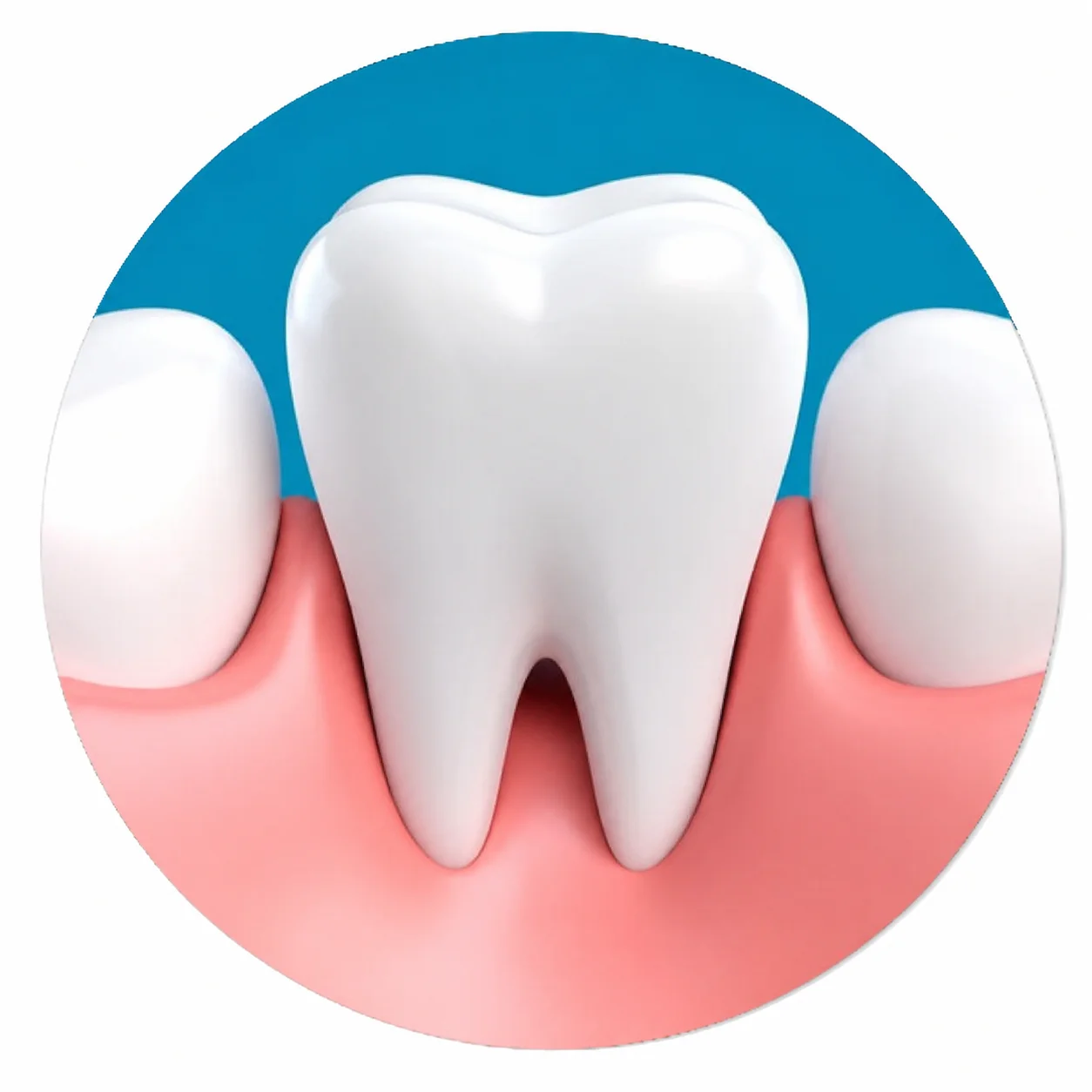

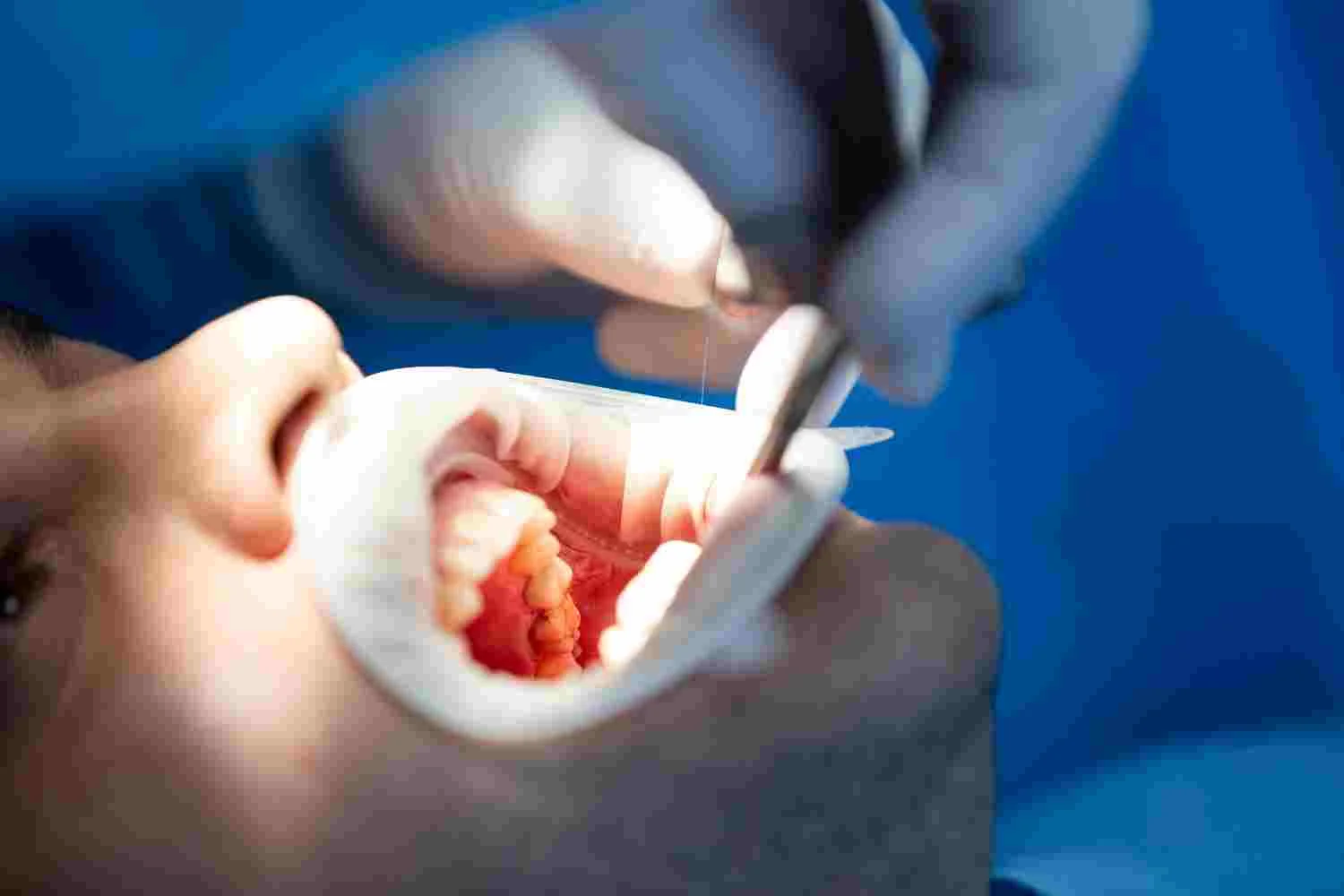
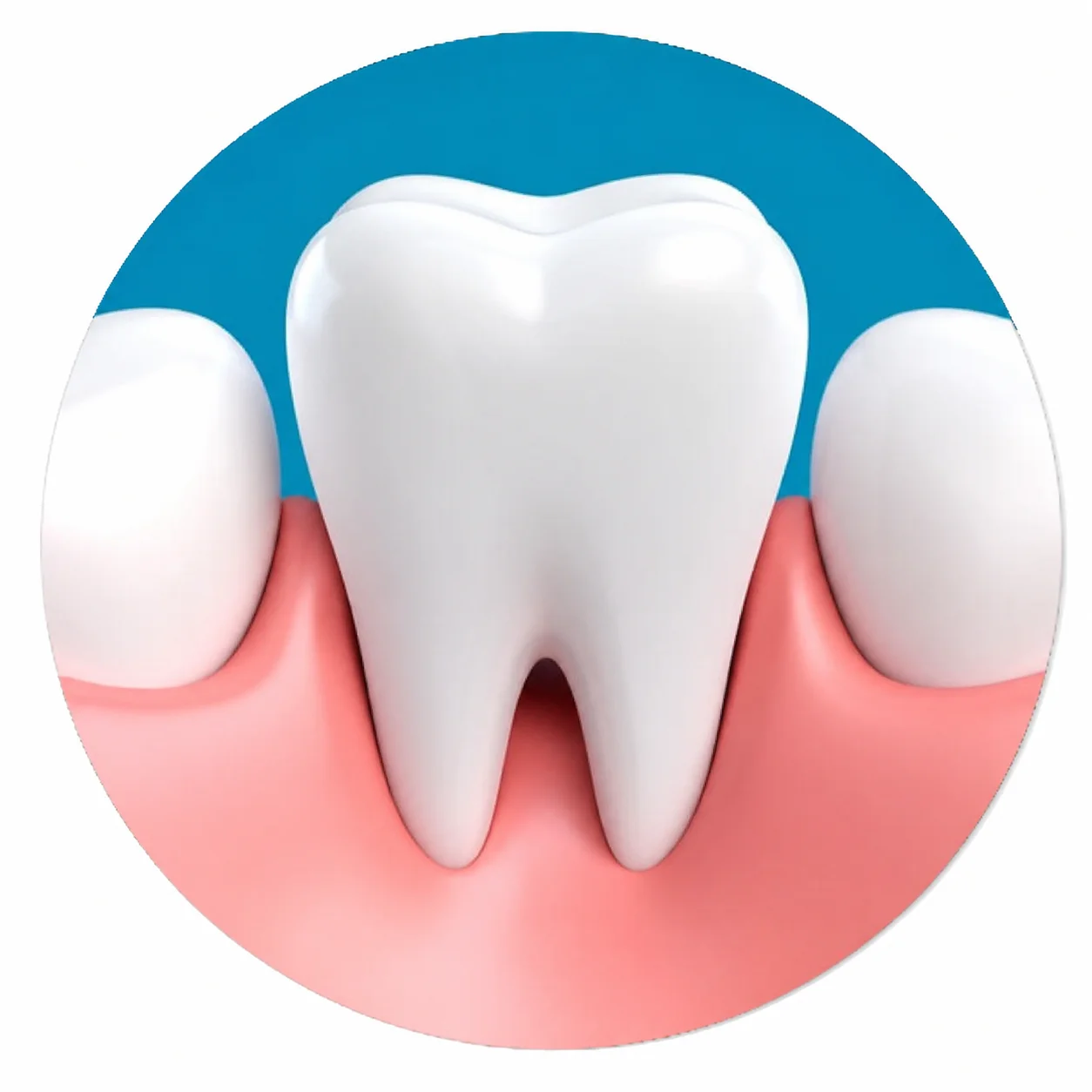
Loss of a tooth usually relates to the physical aspect of the gap, the bite, or the bone beneath the gap. Not much thought goes into how it can impact the self-esteem of the individual. In many cases, having a gap in one’s teeth isn’t just a problem related to dentistry. The missing tooth can have an impact on whether an individual feels comfortable flashing a smile in photos, giggling freely, or communicating with confidence. Anybody who has ever consulted with a dentist in Melbourne regarding a gap in their teeth would know what I mean.
Small, Gradual Changes in Behaviour
For most people, it is not something that they plan. It is more of something that they do unconsciously. Hands may shield the mouth during laughter. Photos may not be posted. A closed-mouth pose may be chosen over an open smile for a professional photograph. By themselves, these actions are inconsequential. Over time, however, they can affect how comfortable a person feels during regular activities.
It is not about vanity. The smile of a person has a part to play in social interaction, whether it is during a job interview or in a casual discussion. It adds an element of self-consciousness to regular interactions.
Why This Isn't Always Discussed Openly
Tooth loss can feel like an unusual thing to be self-conscious about, which may be part of why it isn't discussed as openly as other aspects of wellbeing. Some people feel hesitant to acknowledge that something seemingly small is affecting how they feel, or are concerned that raising it might sound trivial.
However, feelings related to appearance are rarely only about vanity. They can be connected to identity, social interaction, and general comfort in day-to-day life. Acknowledging that a missing tooth affects confidence is a reasonable and common experience, not something to be dismissed.
The Impact Isn't Always Tied to Visibility
The psychological impact of a missing tooth isn't always proportional to how visible the gap is. A missing back tooth that others may not notice can still affect how someone feels, simply because they are aware it's there. Conversely, a more visible gap at the front may not bother another person at all.
This reflects that the experience of tooth loss is individual. There is no standard response, and people are not required to feel a particular way about it. Some people are largely unaffected. Others find that it affects them more than expected. Both responses are valid.
Considering Treatment
Those who feel that the loss of one or more teeth may affect their self-esteem may wish to explore their treatment options. However, one must approach this issue carefully and with an understanding that this solution is not a guaranteed fix for one's self-image. Some individuals find that the restoration of the function and aesthetics of their smile improves their confidence in social situations, but every experience can be quite different depending on various other factors that affect one's self-esteem.
A good place to begin the process is with a discussion with a dentist where the patient shares their objectives along with their clinical needs. It is very important to understand why a person wants a particular dental solution and what their motivations are; these may be anything from being able to eat comfortably to speaking confidently or feeling well.
There Is No Wrong Time to Raise It
Whether a missing tooth has been a long-standing concern or a more recent one, there is no particular time by which it needs to be addressed. Raising the topic with a dentist does not commit anyone to treatment. It simply provides an opportunity to understand what’s involved and what options may be available, including dental implants in Taylors Lakes.
If a gap in your smile has been affecting how you feel, this is a common and understandable experience. Speaking with our dentist about it is a reasonable first step toward understanding your options, based on clear information rather than assumptions.