Sign up with Google
 Sign in with Zoho
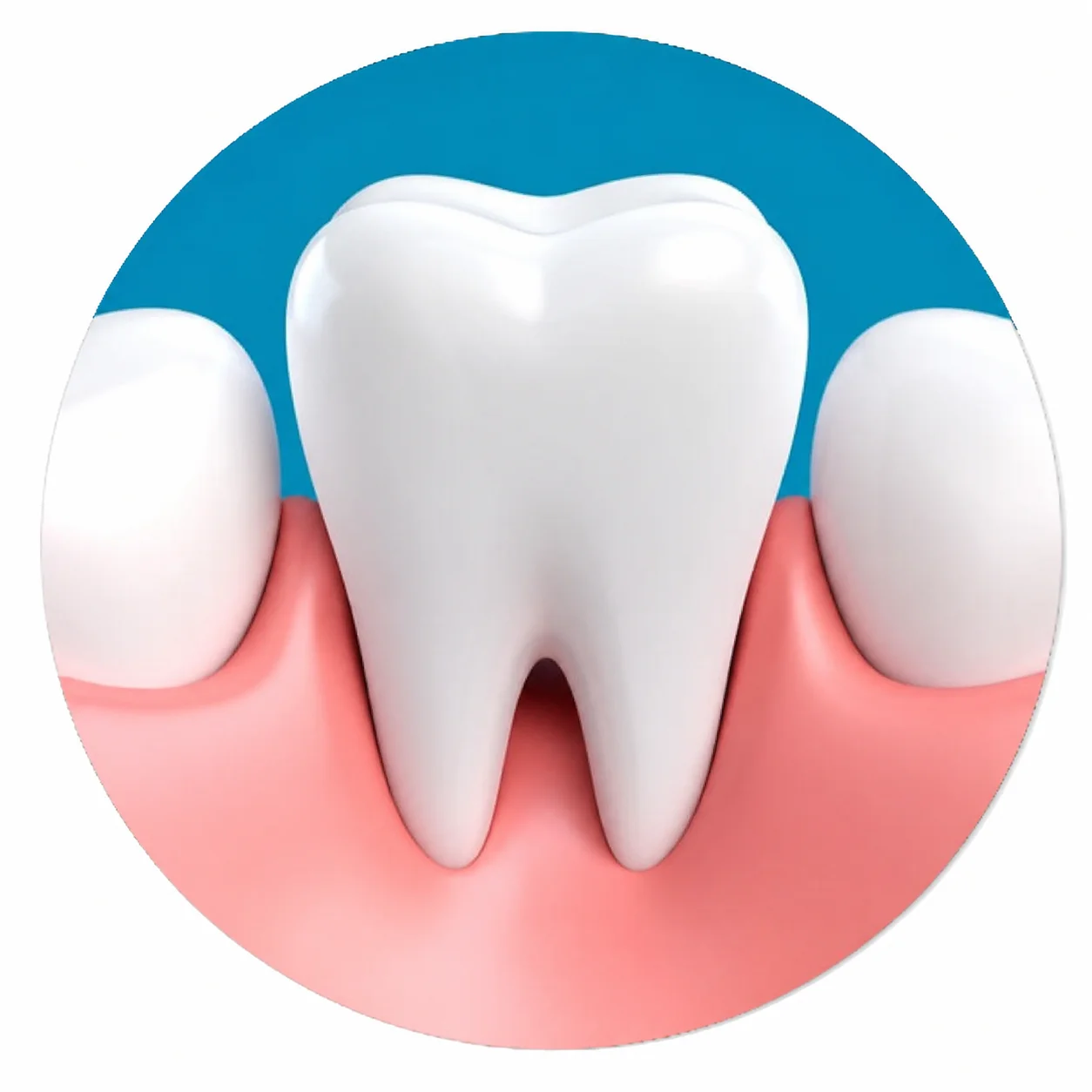
The silly season is here. Between work Christmas parties, long lunches and catch-ups with friends, the next few weeks are likely to include a glass or two of red, a few flutes of prosecco and the odd cocktail.
We’re not here to spoil the fun. But party drinks affect your teeth in ways many people don’t realise, and a few simple habits can make a real difference. Here’s what’s happening to your smile, and how to look after it while you celebrate.
Red Wine: The Stain Maker
Red wine is famous for leaving teeth looking a little purple by the end of the night, and there’s a reason for that. It contains three things that work together against a bright smile:
- Chromogens. These are strongly pigmented compounds that give red wine its colour and cling to tooth enamel.
- Tannins. These help the pigments bind to the tooth surface, making stains more likely to stick.
- Acid. Wine is acidic, and acid temporarily softens enamel. Softer enamel picks up stains more easily.
Over time, regular red wine drinking can contribute to deeper, more stubborn staining.
Prosecco and White Wine: The Quiet Culprits
Though the whites and sparkling drinks may seem safe, they may still cause issues.
Acidity
White and sparkling drinks can be just as acidic (or even more) than red drinks.
Carbonation
As well as containing acids, carbonated drinks produce carbonic acid and increase acid levels in the mouth.
Makes staining worse
The acid in these drinks causes erosion of the surface of the enamel, which can mean that further staining will occur with the next food or drink consumed (red wine, coffee, rich festive foods).
Sugar content
Many sparkling drinks contain sugar. This can contribute to tooth decay as it encourages harmful bacteria.
The main issue with carbonated drinks is drinking them slowly. If you sip throughout a long evening, your teeth will be exposed to acid for a long period of time.
Cocktails and Mixers: The Sugar Hit
Cocktails, spritzes and mixed drinks often contain a combination of sugar and acid. Syrups, soft drinks, juices and liqueurs can all be high in sugar, while citrus and soft drinks add acidity. Brightly coloured drinks can also stain.
Other Party Hazards for Your Teeth
- Dry mouth. Alcohol can reduce saliva. Saliva is your mouth’s natural defence against acid and bacteria, so less of it leaves teeth more vulnerable.
- Crunching ice. Chewing ice from your drink can crack teeth and damage fillings, crowns and veneers.
- Opening bottles with your teeth. This is one of the quickest ways to chip a tooth. Please use a bottle opener.
- Grazing all evening. Snacking on sweet treats throughout the night means constant acid attacks.
Party-Season Tips to Protect Your Smile
Before You Go Out
- Brush your teeth beforehand. Removing plaque gives stains less to cling to.
- Eat something. Drinking on an empty stomach isn’t great for your general health or your teeth.
While You’re Drinking
- Alternate with water. A glass of water between drinks helps rinse away acid, sugar and pigments. It also keeps you hydrated and supports saliva flow.
- Swish with water. A quick discreet swish after a glass of red helps limit staining.
- Eat while you drink. Food stimulates saliva, which helps neutralise acid.
- Go for the cheese platter. Cheese can help reduce acidity in the mouth, and it contains calcium. It’s one of the more tooth-friendly party snacks.
- Use a straw for cocktails. This reduces contact between sugary, acidic drinks and your front teeth.
- Avoid sipping one drink all night. It’s better for your teeth to finish a drink than to nurse it for hours.
- Skip the ice crunching, and never use your teeth as a bottle opener.
When You Get Home
- Rinse with water before bed.
- Wait before brushing. Brushing straight after acidic drinks can wear away softened enamel. Rinse with water, then wait at least 30 minutes to an hour before brushing.
- Don’t skip brushing altogether. Even after a big night, brushing before bed with fluoride toothpaste is important.
- Chew sugar-free gum on the way home to get saliva flowing.
If You Have Veneers, Bonding or Aligners
- Porcelain veneers and crowns are highly stain-resistant, but the natural teeth around them can still stain. Over time, this can make your restorations look mismatched.
- Composite bonding can pick up stains more easily than porcelain. It’s worth being a little more careful with red wine and dark drinks.
- Invisalign aligners should come out before you drink anything other than plain water. Wine, cocktails and sugary drinks can stain aligners, and they trap liquid against your teeth. Rinse your mouth and clean your teeth if you can before putting aligners back in.
- Invisalign attachments are made from composite and can also stain.
Just Had Your Teeth Whitened?
If you’ve had professional whitening recently, your teeth may be more prone to staining for a short time. Your dentist will give you specific advice. Avoiding red wine and other strongly coloured drinks for the first day or two is generally a good idea.
What If Your Teeth Are Already Stained?
Most surface stains from wine and other drinks can be removed with a professional clean. For deeper staining, professional teeth whitening can lighten the overall shade of natural teeth. Whitening won’t change the colour of fillings, crowns or veneers, so it’s worth getting advice if you have these.
A Quick Note on Alcohol and Oral Health
Beyond staining and acid, regular heavy drinking is linked to gum disease and is a known risk factor for oral cancer, particularly when combined with smoking. Enjoying the festive season in moderation is good for your smile and your overall health. Australia’s national alcohol guidelines are a helpful reference point.
As a Greenvale dentist that has looked after local smiles for over years, we see plenty of patients in January whose teeth have had a busy December. A few small habits through the party season can make a noticeable difference.