Sign up with Google
 Sign in with Zoho

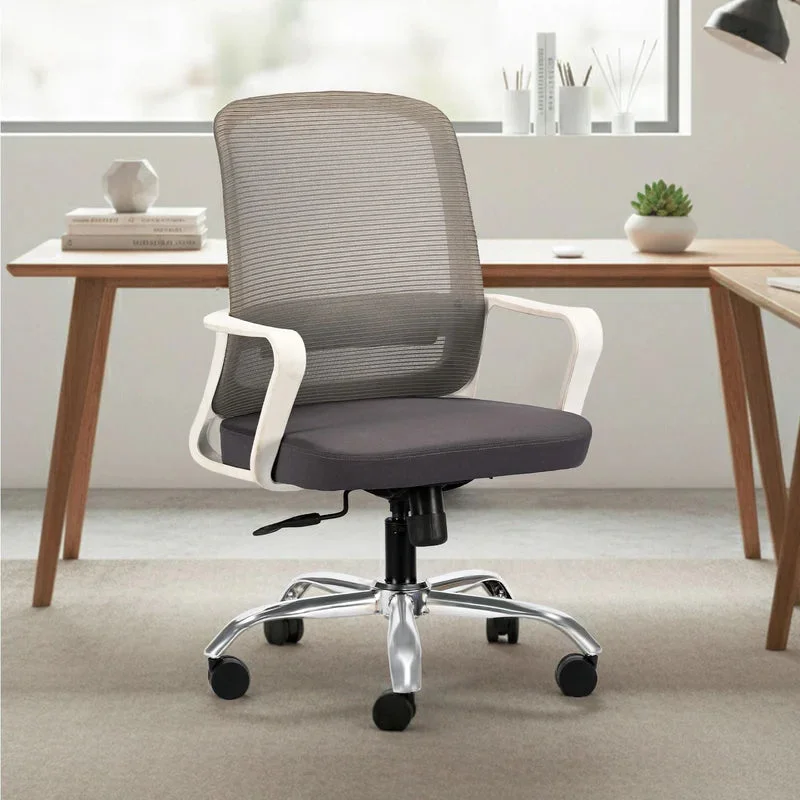
Employees & professionals often spend several hours at their desks, making the choice of an office chair more than a matter of appearance. A suitable chair can support better sitting habits, reduce unnecessary discomfort, & make it easier to remain focused throughout the working day.
Among different seating designs, mid-back options can be practical for users who want a balance between back support, freedom of movement, & a compact workplace setup. Understanding how mid back office chairs can contribute to everyday productivity helps buyers make more informed decisions based on their working requirements.
Support for Everyday Sitting
A comfortable chair should provide adequate support while allowing the user to work naturally. Mid back office chairs are designed to support the central & lower areas of the back without extending as high as a full-back chair.
This structure can work well for people who prefer a supportive backrest while retaining a greater sense of movement around the shoulders & upper body. The right level of support can make long desk-based tasks more manageable & help users maintain a more consistent sitting position.
Comfort Can Support Better Focus
Physical discomfort can become distracting during work. Constantly shifting position, adjusting a chair, or taking frequent breaks because of an uncomfortable seat can interrupt concentration.
Comfortable mid back office chairs can help create a more stable sitting environment. When the seat, backrest, & overall chair position feel appropriate, users can focus more easily on tasks such as typing, reading, meetings, research, or creative work.
Comfort does not guarantee productivity, but it can remove some of the physical distractions that interfere with focused work.
Suitable for Different Workspaces
Workspace size is another important consideration. Not every office or home workspace has enough room for large seating designs.
Mid back office chairs can be a practical choice for compact desks, shared workstations, & smaller home offices. Their relatively contained backrest design can make the surrounding space feel less crowded while still providing meaningful back support.
This can be particularly useful when several workstations are positioned close together or when the chair needs to move easily within a limited area.
Encouraging Natural Movement
Productivity does not require remaining completely still for hours. People naturally shift their position while working, reaching for documents, turning toward another screen, or communicating with colleagues.
The design of a mid-back chair can allow greater freedom around the shoulders & upper body compared with seating that provides more extensive upper-body coverage. This can make routine movements feel more natural.
However, users should still adjust their workstation properly & take regular movement breaks rather than relying entirely on the chair to maintain comfort.
Adjustability Makes a Difference
A comfortable chair should suit the individual using it. People differ in height, body proportions, desk height, & preferred sitting position.
Useful adjustments may include seat height, armrest position, back support, & tilt or reclining functions, depending on the chair. These features can help users position themselves more appropriately in relation to their desk.
When comparing mid back office chairs, it is therefore useful to look beyond the backrest design & consider how easily the chair can be adjusted to suit individual needs.
Better Alignment With the Desk
The relationship between the chair & desk can influence everyday comfort. If the seat is too high or too low, users may struggle to position their arms & hands comfortably while working.
An appropriately adjusted chair allows the user to sit at a suitable height while keeping the workstation within a comfortable reach. This can be particularly important for computer-based work, where users may spend much of the day looking at a monitor & using a keyboard or mouse.
Proper positioning can reduce unnecessary strain caused by awkward working angles.
Comfort Across Different Tasks
Modern workdays often involve more than one type of activity. A person may move from computer work to video meetings, reading, writing, phone calls, or collaborative tasks throughout the day.
Mid back office chairs can suit environments where users need a combination of support & mobility. Their design can provide adequate back coverage without making the chair feel overly restrictive.
The ideal choice still depends on the user's body, working routine, & personal comfort preferences.
How to Choose a Comfortable Mid Back Chair
Before purchasing a chair, consider several practical factors:
- Back support: Make sure the backrest feels supportive in the areas where you need it most.
- Seat comfort: Check whether the seat provides adequate support for your typical working hours.
- Adjustability: Look for adjustments that match your height & working position.
- Arm support: Properly positioned armrests can help keep the shoulders relaxed.
- Workspace: Consider whether the chair fits comfortably within the available area.
- Movement: Make sure the chair allows you to move naturally around your desk.
- Build quality: Consider whether the construction is suitable for regular use.
These factors are generally more important than choosing a chair based solely on appearance.
Productivity Starts With a Suitable Workspace
A chair is only one part of an effective workstation. Monitor height, desk positioning, keyboard placement, lighting, & regular movement also influence how comfortable a person feels during the workday.
A well-positioned chair can work together with these elements to create a more practical environment. When users can sit comfortably, reach their equipment easily, & change positions when needed, they may find it easier to maintain concentration throughout their daily tasks.
Final Thoughts
Comfortable mid back office chairs can contribute to a more productive work environment by providing practical back support, encouraging natural movement, & fitting well into different workspace layouts. Their compact design can also make them suitable for areas where larger seating options may feel restrictive.
The right choice ultimately depends on individual requirements, body proportions, working habits, & available space. By considering support, adjustability, seat comfort, mobility, & overall workspace compatibility, users can create a seating arrangement that supports comfortable & productive everyday work.