Sign up with Google
 Sign in with Zoho

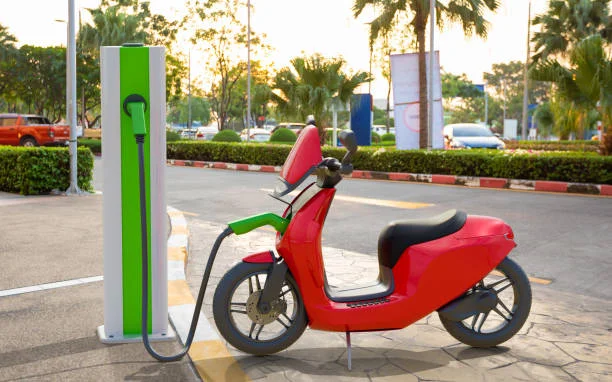
According to the supplied Vyansa Intelligence analysis, the Europe electric two-wheeler sector was valued at USD 1.45 billion in 2025 and is projected to reach USD 2.51 billion by 2032, representing a 8.15% CAGR from 2026 to 2032.
Urban Mobility Creates Opportunities for Electric Two-Wheelers
European cities face ongoing challenges related to congestion, transportation efficiency, and emissions. Electric two-wheelers can provide a compact mobility option for commuters and other users who need flexible transportation in urban environments.
Their smaller physical footprint can make them suitable for navigating dense city streets, while electric propulsion eliminates direct tailpipe emissions during operation. These characteristics can make electric scooters and motorcycles relevant to broader efforts to develop more sustainable urban transportation.
The appeal of electric two-wheelers also extends beyond private commuting. Delivery services, shared mobility providers, and other commercial users can benefit from vehicles designed for frequent short-distance journeys.
Vehicle Categories Shape the European Landscape
The European regulatory framework recognizes multiple categories of powered two-, three-, and four-wheel vehicles. Regulation (EU) No. 168/2013 covers L-category vehicles, including powered cycles, two- and three-wheel mopeds, and two-wheel motorcycles.
This classification provides an important foundation for manufacturers because electric two-wheelers can differ significantly in power, speed, design, and intended application.
As a result, product development can target distinct user requirements rather than treating electric two-wheelers as a single vehicle category.
Battery Technology Remains Central to Development
The battery is one of the most important components of an electric two-wheeler. Battery capacity, weight, charging requirements, durability, and energy management can influence vehicle range, performance, and usability.
The European Union's Batteries Regulation specifically recognizes batteries used for light means of transport, including certain e-bikes and e-scooters, as a distinct battery category. The regulation also establishes requirements covering areas such as battery design, labeling, conformity assessment, and producer responsibilities.
These requirements are increasingly relevant as electric mobility expands and battery sustainability becomes a more important consideration.
Charging Convenience Influences Adoption
Charging remains an important consideration for electric vehicle users. For two-wheeler owners, the ability to recharge conveniently at home, workplaces, public locations, or dedicated facilities can influence the practicality of electric mobility.
Unlike larger electric vehicles, many electric two-wheelers can have smaller battery systems and different charging requirements. This can create opportunities for manufacturers to design products around convenient charging and practical everyday usage.
For commercial fleets, charging efficiency can become particularly important because vehicles may operate for extended periods and need to return to service quickly.
Battery Sustainability Is Becoming More Important
Battery sustainability is increasingly connected with the development of electric mobility in Europe. The EU Batteries Regulation establishes requirements concerning areas such as collection, treatment, producer responsibility, and reporting for batteries. It also introduces requirements related to battery due diligence and environmental considerations.
For electric two-wheeler manufacturers, these requirements can influence battery sourcing, documentation, product design, and end-of-life management.
The focus on battery sustainability also creates opportunities for businesses involved in recycling, recovery, battery management, and related technologies.
Performance and Practicality Remain Important
Although environmental considerations support interest in electric propulsion, consumers still expect electric two-wheelers to provide practical transportation.
Range, acceleration, handling, comfort, reliability, storage, charging time, and overall operating convenience can influence purchasing decisions. Manufacturers therefore need to balance sustainability with the everyday requirements of riders.
Different users may prioritize different characteristics. A commuter may value range and charging convenience, while a recreational rider may place greater emphasis on acceleration and handling.
Regulatory Compliance Supports Market Development
European regulation plays an important role in establishing technical requirements for powered two-wheelers.
Regulation (EU) No. 168/2013 provides the framework for the approval and market surveillance of L-category vehicles, covering powered two- and three-wheel vehicles and related categories.
This regulatory structure helps establish requirements that manufacturers must consider when developing and placing vehicles on the European market.
For companies entering the sector, compliance can therefore be an important part of product development and commercialization.
Electric Drivetrains Create New Design Possibilities
Electric propulsion allows manufacturers to approach vehicle architecture differently from conventional internal-combustion designs.
Electric motors can provide immediate torque and can be integrated with sophisticated electronic control systems. Battery placement can also influence vehicle weight distribution and packaging.
These characteristics give manufacturers opportunities to rethink scooter and motorcycle designs around electric powertrains rather than simply adapting conventional vehicle platforms.
At the same time, battery weight and thermal management remain important engineering considerations. Manufacturers must ensure that vehicle performance remains consistent while maintaining appropriate safety and durability.
Safety Remains a Core Consideration
Electric propulsion does not remove the need for strong vehicle safety standards. Braking systems, electrical components, batteries, structural design, tires, lighting, and other systems all contribute to overall vehicle safety.
European type-approval requirements provide a structured framework for assessing applicable vehicle categories and components.
Battery safety is also important. The EU Batteries Regulation requires manufacturers to provide clear instructions and safety information and to complete applicable conformity assessment procedures before batteries are placed on the market.
These measures support greater transparency and help establish safety expectations for products entering the European market.
Commercial Applications Can Expand Use Cases
Electric two-wheelers can serve more than private transportation. Commercial applications such as delivery services and urban logistics can create additional opportunities.
Businesses operating in dense urban areas may benefit from compact vehicles capable of completing frequent trips without relying on conventional fuels. Electric propulsion can also provide predictable operating characteristics for businesses managing repeated routes.
As urban delivery activity develops, fleet operators may increasingly evaluate electric two-wheelers according to operating costs, vehicle reliability, charging requirements, and daily utilization.
Product Differentiation Will Remain Important
The expanding range of electric two-wheelers creates opportunities for manufacturers to differentiate their products.
Design, range, battery technology, connectivity, safety features, performance, charging convenience, and rider comfort can all contribute to product positioning.
Manufacturers may also target specific segments, including urban commuters, delivery riders, recreational users, and shared mobility operators. This segmentation can allow companies to develop products around specific usage patterns rather than pursuing a uniform product strategy.
Outlook Through 2032
The Europe electric two-wheeler sector is projected to increase from USD 1.45 billion in 2025 to USD 2.51 billion by 2032, representing a 8.15% CAGR from 2026 to 2032, according to the supplied Vyansa Intelligence analysis.
The projected development reflects the growing relevance of electric mobility within European transportation. Battery technology, urban mobility requirements, charging convenience, regulatory compliance, and sustainability considerations are likely to remain important factors shaping the sector.
The European regulatory environment is also evolving around battery sustainability and vehicle requirements. The EU framework for L-category vehicles establishes the basis for type approval, while the Batteries Regulation introduces requirements covering batteries used in light means of transport and electric vehicles, and the L-category framework defines the approval and market-surveillance requirements for powered two-, three-, and four-wheel vehicles.
Overall, the sector is likely to remain shaped by urban mobility needs, battery innovation, charging convenience, vehicle safety, regulatory requirements, commercial applications, and sustainability. As European transportation systems continue to evolve, electric two-wheelers can play an increasingly relevant role in providing flexible and efficient mobility options.