Sign up with Google
 Sign in with Zoho
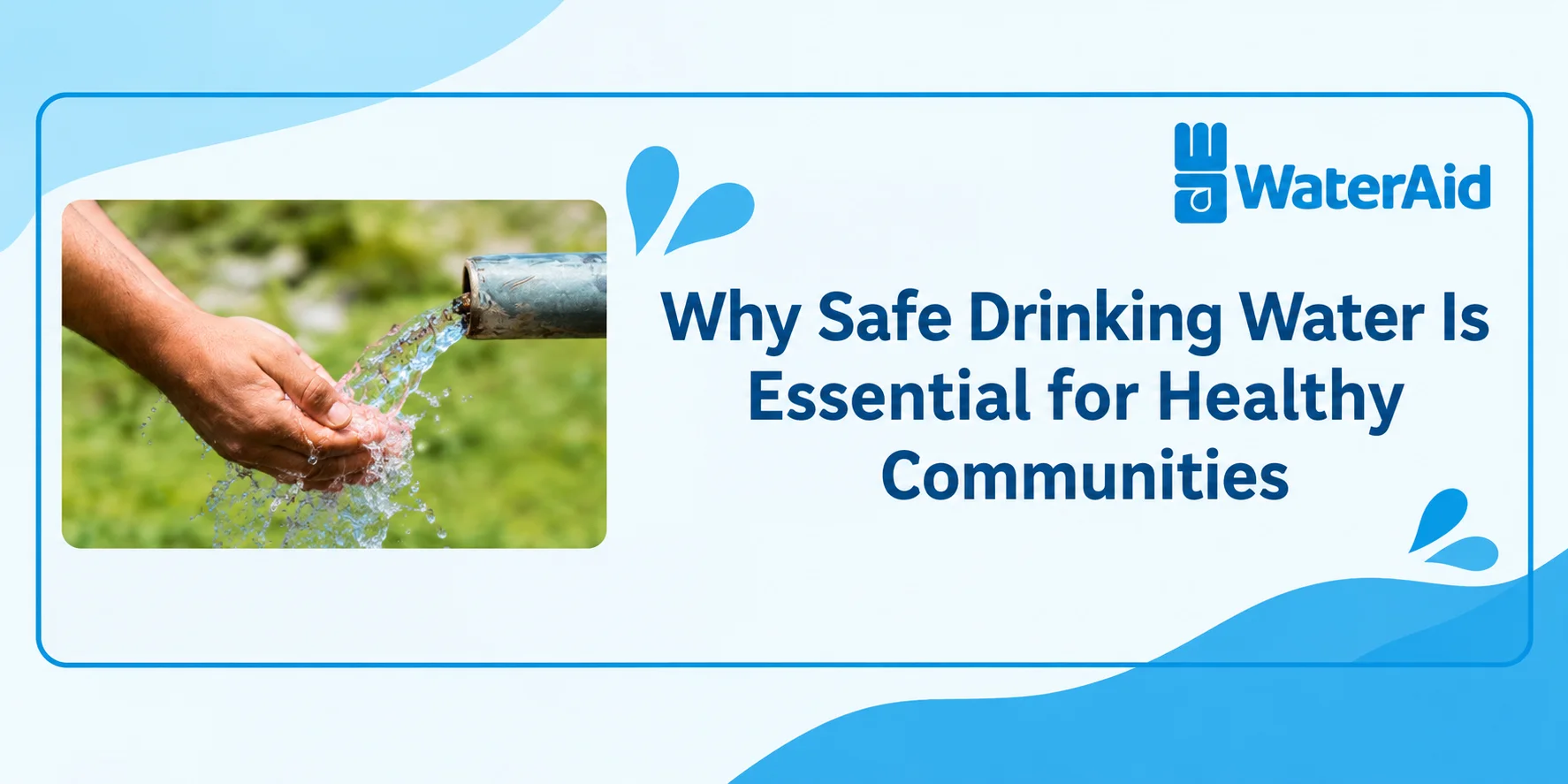
Water is necessary for survival, but not every available source is suitable for consumption. Rivers, lakes, wells and groundwater can become contaminated through sewage, agricultural runoff, industrial discharge and poor sanitation. When water quality is compromised, it can create serious health risks for individuals and entire communities.
Access to reliable water supplies is important for maintaining healthy households, preparing food and supporting everyday activities. Understanding how water becomes contaminated and how communities can protect their supplies is an important step towards improving public health.
What Makes Drinking Water Safe?
Water is considered safe for consumption when it meets appropriate microbiological and chemical quality standards. It should not contain harmful levels of disease-causing organisms or dangerous substances.
Clear appearance does not necessarily mean water is safe. Some contaminants cannot be seen, smelled or tasted, making regular testing and appropriate treatment important. Water quality can also change between the source and the point of consumption because of damaged pipes, uncovered storage containers and unsafe handling practices.
Why Safe Drinking Water Matters
1. Reduces the Risk of Waterborne Diseases
Contaminated water can transmit infections that cause diarrhoea and other illnesses. Children, older adults and people with weakened immune systems may be particularly vulnerable to these risks.
Access to safe drinking water helps reduce exposure to harmful pathogens when supported by effective treatment, proper sanitation and hygienic storage practices. Protecting water sources is equally important for preventing contamination before it reaches households.
2. Supports Daily Health and Well-Being
The human body needs water to regulate temperature, transport nutrients and support normal bodily functions. Drinking sufficient water also helps replace fluids lost through sweating and other everyday activities.
Water is also essential for preparing meals, washing ingredients and maintaining hygienic household environments. Families need dependable supplies to meet these basic needs and maintain healthy routines.
3. Improves Education and Productivity
When communities have dependable water supplies close to home, families may spend less time collecting water from distant sources. Children can devote more time to school, while adults can focus on work and household responsibilities.
Schools and workplaces also need reliable water services to maintain sanitation facilities and create healthier environments for students, employees and visitors.
Common Sources of Water Contamination
Biological Contamination
Bacteria, viruses and parasites may enter water through human or animal waste. Damaged pipelines, unsafe wells and inadequate sewage management can increase contamination risks.
Chemical Contamination
Some water sources contain naturally occurring chemicals or pollutants from agricultural and industrial activities. The risks depend on the substance, its concentration and the duration of exposure.
Contamination During Storage
Even treated water can become unsafe when stored in dirty containers or handled with unclean utensils. Open containers may allow dust, insects and other contaminants to enter.
How Can Households Make Water Safer?
Choose an Appropriate Treatment Method
Boiling can kill many disease-causing microorganisms when performed correctly, but it does not remove every chemical contaminant. Filters and other treatment systems also have different capabilities.
The right method depends on the water source and the type of contamination. Testing can help determine which treatment is needed to make water suitable for consumption.
Store Water Safely
Use clean, covered containers intended for household water storage. Where possible, choose containers with a narrow opening or tap to reduce direct contact with hands and utensils.
Clean containers regularly and avoid mixing freshly treated supplies with untreated water. These simple steps help preserve water quality until it is consumed.
Maintain Household Hygiene
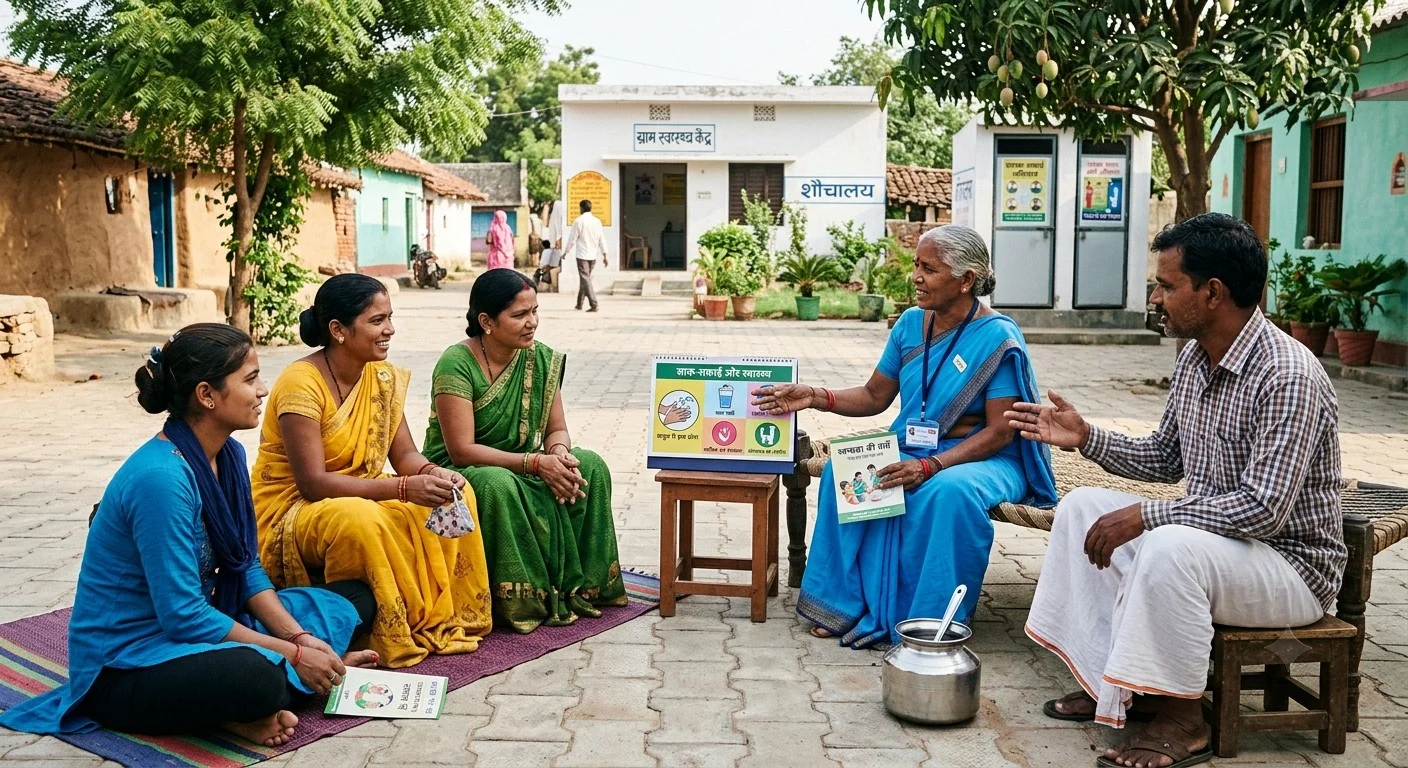
Wash hands with soap before preparing food and after using the toilet. Clean utensils and surfaces that come into contact with water used for drinking and cooking. These habits complement treatment practices and reduce the risk of contamination.
Protect Water Sources
Communities can help by preventing waste disposal near wells and water bodies, reporting damaged pipelines and supporting effective sewage management. Local authorities should monitor water quality and respond promptly when contamination is detected.
The Importance of Reliable Water Infrastructure
Household precautions cannot replace dependable public services. Communities need protected water sources, effective treatment systems, safe distribution networks and regular quality monitoring. Schools, healthcare facilities and public spaces also require reliable supplies to maintain hygiene and provide essential services.
WaterAid India works as part of the global WaterAid network to improve access to clean water, decent toilets and good hygiene. Its work highlights the importance of sustainable water and sanitation services, particularly for communities facing barriers to essential resources.
Expanding access to clean drinking water requires cooperation between households, communities, service providers and governments. Protecting natural sources, improving sanitation and maintaining water infrastructure can help more people access reliable supplies.
Conclusion
Water safety is fundamental to health, dignity and everyday life. Preventing contamination, selecting appropriate treatment methods, storing water correctly and improving public infrastructure can help reduce health risks.
Long-term progress depends on coordinated efforts from households, communities and public authorities. When people can depend on reliable water supplies, they are better placed to protect their health, pursue education and participate in community life.
Frequently Asked Questions
Q1. Why is safe drinking water important?
Ans. It helps reduce exposure to harmful contaminants, supports normal bodily functions and makes food preparation and daily hygiene safer.
Q2. Does clear water always mean it is safe to drink?
Ans. No. Some microorganisms and chemical contaminants cannot be detected by sight, smell or taste. Appropriate testing and treatment are important.
Q3. How can drinking water be kept safe at home?
Ans. Use a suitable treatment method based on water quality, store water in clean, covered containers, avoid contaminated utensils and maintain good hand hygiene.