Sign up with Google
 Sign in with Zoho

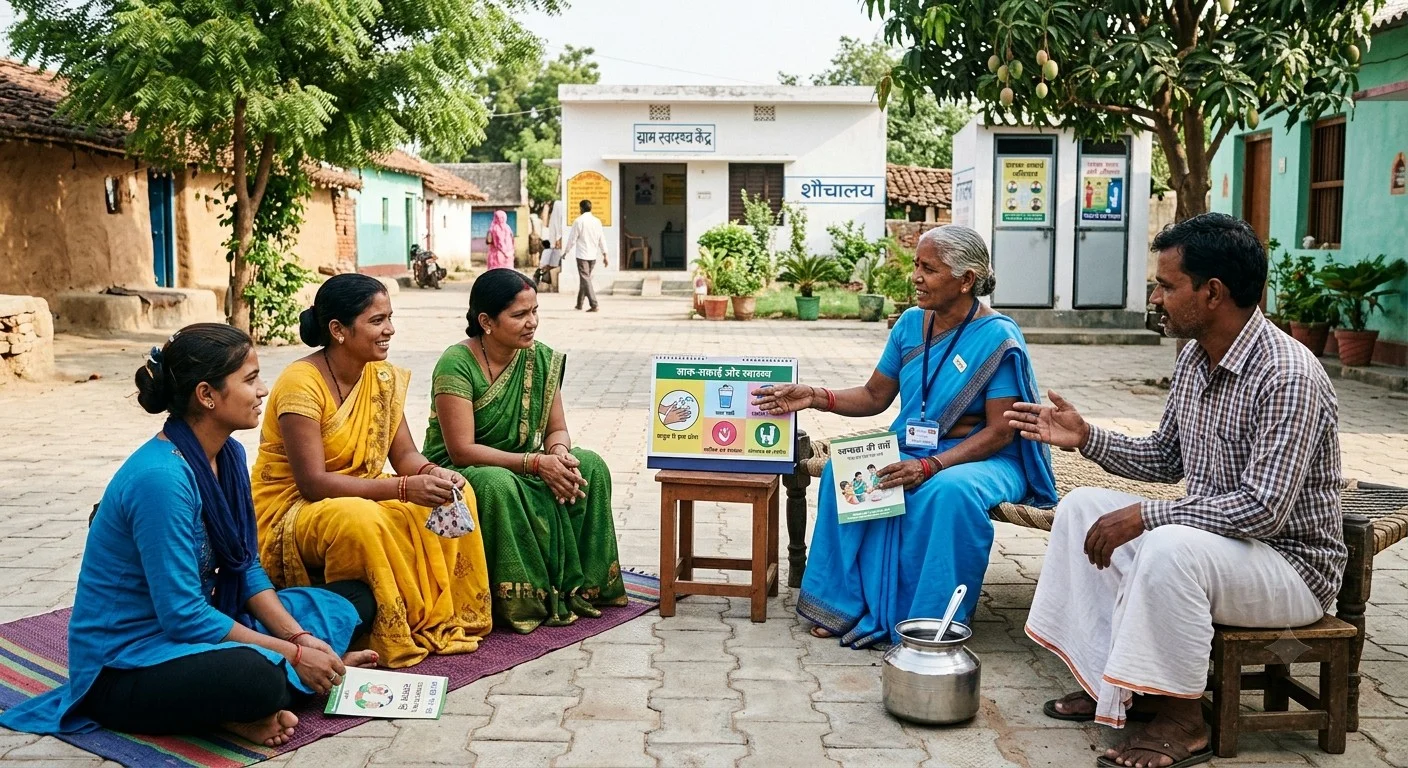
A few months ago, I visited a relative's home in a small town in Uttar Pradesh and noticed something I hadn't paid attention to before the local government school nearby had a toilet block, but it was locked. The children simply avoided using it altogether. That one small observation stayed with me, because it captured something bigger than a broken lock. It reflected a gap that exists across large parts of the country between having infrastructure and actually using it well.
This gap is at the heart of the ongoing struggle around hygiene in india. We have made visible progress over the past decade more households have access to toilets, more villages have piped water, and public campaigns have made these topics part of everyday conversation. Yet access alone does not guarantee behaviour change. A toilet that is locked, a handwashing station without soap, or a water source that's technically "available" but a 20-minute walk away these are the quiet gaps that keep India from being fully clean and healthy.
Infrastructure Is Only Half the Story
It's tempting to measure progress in numbers toilets built, taps installed. But real change happens when people understand why these facilities matter and choose to use them consistently. A toilet left unused, or a handwashing station without soap, shows that the missing piece isn't concrete and pipes it's awareness.
This is where sanitation and hygiene awareness becomes just as important as physical infrastructure. It's not a one-time poster campaign, but an ongoing effort through schools, community meetings, and frontline health workers to connect daily habits with long-term health. When a mother knows that handwashing before feeding her child prevents disease, that knowledge changes behaviour more effectively than infrastructure alone.
The Everyday Habits That Matter Most
What strikes me most when I speak with people working in rural water and sanitation programs is how simple the solutions often are. It's rarely about expensive technology. It's about consistency, dignity, and access. A few habits, if adopted widely, could meaningfully shift outcomes across communities:
- Washing hands with soap at key moments -before eating, after using the toilet, and after handling waste
- Ensuring safe storage and handling of drinking water at home
- Regular cleaning of toilets and community water points
- Menstrual hygiene management with access to safe, private facilities
- Proper disposal of household and community waste
None of these require large budgets. What they require is sustained attention, community ownership, and a shift in how people think about good hygiene practices not as an occasional effort, but as a daily, non-negotiable part of life.
Why This Matters More in Urban India Too
There's a common assumption that hygiene challenges are mostly a rural issue. In reality, urban slums and rapidly growing peri-urban areas often face even sharper struggles dense populations, inadequate drainage, and shared toilet facilities that are difficult to maintain. A child growing up in these conditions is significantly more vulnerable to preventable illnesses. Being healthy and hygienic shouldn't depend on your postal code or income bracket, yet today it largely does.
This is why organisations working on water, sanitation, and hygiene increasingly focus on integrated solutions combining infrastructure with education, and involving local communities in decisions rather than imposing top-down fixes. When communities are part of the solution, the habits tend to stick.
A Shared Responsibility
Improving hygiene outcomes isn't the job of the government alone, nor of NGOs, nor of individual households. It's a shared responsibility. Schools can build hygiene education into daily routines. Employers can ensure clean, functional facilities at workplaces. Media and public campaigns can keep the conversation alive instead of letting it fade after a single awareness week. And each of us, in our own homes, can model the basic habits that keep families safe.
Organisations like WaterAid India have been working on exactly this intersection for years not just building toilets and water points, but working alongside communities, schools, and local governments to make sure these facilities are actually used, maintained, and trusted. WaterAid's approach in India has consistently emphasised that lasting change comes from combining access with education, which is precisely the shift this article has been arguing for. It's a reminder that solving India's hygiene challenge isn't about any single fix, but about sustained, ground-level partnerships that outlast a single project or campaign.
FAQs
Q1. Why is hygiene still a challenge in India despite improved sanitation infrastructure?
Ans. Infrastructure alone doesn't guarantee behaviour change. Many households and communities need continued education and support to consistently adopt hygienic habits, even after toilets and water access are provided.
Q2. What role does menstrual hygiene play in overall public health?
Ans. Safe menstrual hygiene management reduces infections and school dropout rates among girls, and it's an essential part of any broader hygiene and sanitation strategy.
Q3. How can individuals contribute to better hygiene in their communities?
Ans.Simple actions — practicing regular handwashing, maintaining clean water storage, supporting local sanitation initiatives, and educating children on hygiene — collectively make a significant difference.