Sign up with Google
 Sign in with Zoho

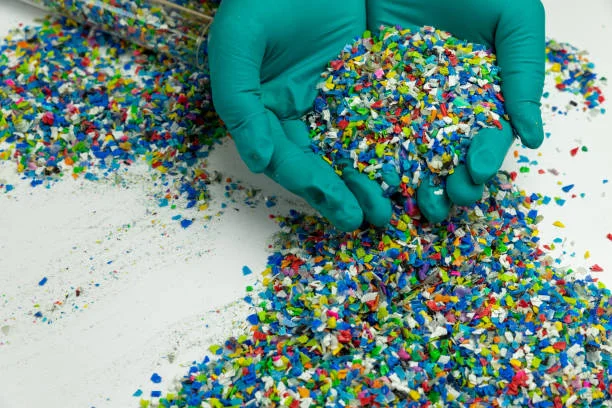
Packaging is undergoing a gradual shift as manufacturers, brands, and policymakers examine ways to reduce plastic pollution while maintaining the performance required for modern packaging. Biodegradable plastics are part of this broader transition, offering material options designed to break down under defined environmental conditions. Their development is closely connected with packaging functionality, waste management infrastructure, labeling, and the wider move toward circular material systems.
According to the supplied Vyansa Intelligence analysis, the global biodegradable plastic packaging sector was valued at USD 3.18 billion in 2025 and is projected to reach USD 4.77 billion by 2032, representing a 5.96% CAGR from 2026 to 2032.
Biodegradable Does Not Always Mean Compostable
One of the most important considerations surrounding biodegradable packaging is the distinction between biodegradability and compostability. These terms are sometimes used interchangeably, but they describe different material characteristics.
The U.S. Environmental Protection Agency explains that biodegradable plastics are designed to break down through biological processes under particular conditions, while compostable plastics are intended to biodegrade into compost under specified conditions. The EPA also notes that commercially compostable plastics generally require industrial or commercial composting environments rather than ordinary household composting.
This distinction has practical implications for packaging producers and consumers. A package designed to biodegrade in a particular environment may not necessarily break down quickly in a landfill, home compost pile, or conventional recycling system.
Packaging Performance Remains Essential
Environmental characteristics do not eliminate the basic functional requirements of packaging. A packaging material still needs to provide appropriate strength, flexibility, sealing performance, barrier properties, and protection during transportation and storage.
Food, beverages, personal-care products, and other packaged goods can have different requirements. A biodegradable plastic film used for dry products may have different specifications from a rigid biodegradable container or a multilayer package.
This makes material selection an important part of packaging design. Developers need to consider both the intended use and the conditions under which the package will ultimately be managed after disposal.
Bio-Based and Biodegradable Are Different
Another important distinction is between bio-based plastics and biodegradable plastics. A material can be manufactured from renewable biological resources without necessarily being biodegradable.
The EPA guidance notes that bio-based plastics can have chemical structures similar to conventional petroleum-based plastics and therefore may not automatically biodegrade. Their recycling characteristics can also differ depending on their chemical composition.
For packaging manufacturers, this means that the origin of a material does not by itself determine its end-of-life characteristics. Product developers need to assess the actual polymer structure, certification requirements, disposal conditions, and available waste-management pathways.
Packaging Design Is Moving Toward Circularity
Biodegradable packaging is developing within a wider shift toward circular design. The United Nations Environment Programme emphasizes reducing unnecessary plastic use, designing products and packaging for circularity, increasing reuse, and improving recycling as interconnected approaches to addressing plastic pollution.
This broader perspective is important because replacing one material with another does not automatically solve every packaging-waste problem. Packaging systems also need to consider material efficiency, reuse potential, collection infrastructure, recycling compatibility, and appropriate end-of-life treatment.
Biodegradable plastics can therefore represent one pathway within a larger portfolio of packaging solutions.
Food Packaging Creates Additional Requirements
Food-contact applications introduce another layer of complexity. Packaging materials must provide suitable protection while meeting applicable food-safety requirements.
The material itself is only one component of the finished package. Inks, adhesives, coatings, additives, closures, and other components may also influence the package's overall suitability for its intended use.
For manufacturers, this creates a need to combine sustainability objectives with appropriate testing, regulatory compliance, and product-performance requirements. A biodegradable material must still perform effectively throughout the product's intended shelf life.
End-of-Life Infrastructure Is Critical
The environmental performance of biodegradable and compostable packaging depends partly on whether suitable waste-management infrastructure is available.
The EPA states that compostable plastics generally should not be placed in conventional plastic recycling streams because they can contaminate and disrupt those systems. Where a local composting program does not accept compostable plastics, consumers are advised to follow local waste-management guidance instead.
This highlights a fundamental challenge for packaging developers. Material innovation and waste-management infrastructure need to develop together. Without appropriate collection and processing systems, the intended end-of-life pathway of a biodegradable package may not be available.
Labeling and Consumer Understanding Matter
Clear labeling can help consumers understand how packaging should be handled after use. Terms such as biodegradable, compostable, and bio-based can communicate different characteristics, and unclear claims can create confusion about appropriate disposal.
The EPA notes that ASTM International establishes relevant standards while the Federal Trade Commission is responsible for enforcement against false or deceptive labeling claims concerning biodegradable and compostable products in the United States.
As biodegradable packaging becomes more widely available, consistent communication about material characteristics and disposal requirements can become increasingly important.
Recycling and Biodegradability Require Different Approaches
Biodegradable packaging does not necessarily replace recycling. In some applications, recycling may remain the more appropriate pathway, particularly where established collection and processing infrastructure exists.
The EPA's recycling guidance describes mechanical recycling as the predominant recycling method for plastics, involving processes such as sorting, cleaning, shredding, and melting. It also notes that advanced recycling can use chemical or thermal processes to break polymer structures into feedstocks for new products.
Packaging designers therefore need to determine whether a product is best suited to recycling, composting, biodegradation, reuse, or a combination of approaches.
Regulations Are Influencing Material Development
Government policies are increasingly addressing plastic waste, packaging design, and end-of-life management. In India, for example, plastic-waste rules include specific requirements for commodities made from compostable and biodegradable plastics, including labeling and certification provisions.
Such requirements illustrate how regulatory frameworks can influence the commercialization of alternative packaging materials. Manufacturers operating across different regions may need to account for varying definitions, standards, certification requirements, and disposal systems.
Material Innovation Continues
Research and development across biodegradable plastics is focused on improving performance while expanding potential applications. Developers are examining polymers and formulations that can provide suitable strength, flexibility, barrier properties, and processing characteristics while meeting defined biodegradation or compostability requirements.
The challenge is to make these materials practical at commercial scale. Cost, raw-material availability, manufacturing compatibility, shelf life, and infrastructure all influence whether a particular biodegradable packaging solution can be adopted widely.
Outlook Through 2032
Future development will depend on more than demand for environmentally oriented packaging. Material performance, certification, food-contact requirements, labeling, manufacturing economics, and waste-management infrastructure will all influence adoption.
Biodegradable plastics are therefore best viewed as part of a broader packaging transition rather than a universal replacement for conventional plastics. Their role will depend on whether the material is appropriately matched to the application and whether the intended end-of-life pathway is actually available.
Overall, biodegradable plastic packaging is evolving around material innovation, circular design, responsible labeling, improved waste management, and the need to balance environmental objectives with packaging performance. Continued coordination between material producers, packaging manufacturers, brands, regulators, and waste-management systems will be important as alternative packaging solutions develop.