Sign up with Google
 Sign in with Zoho

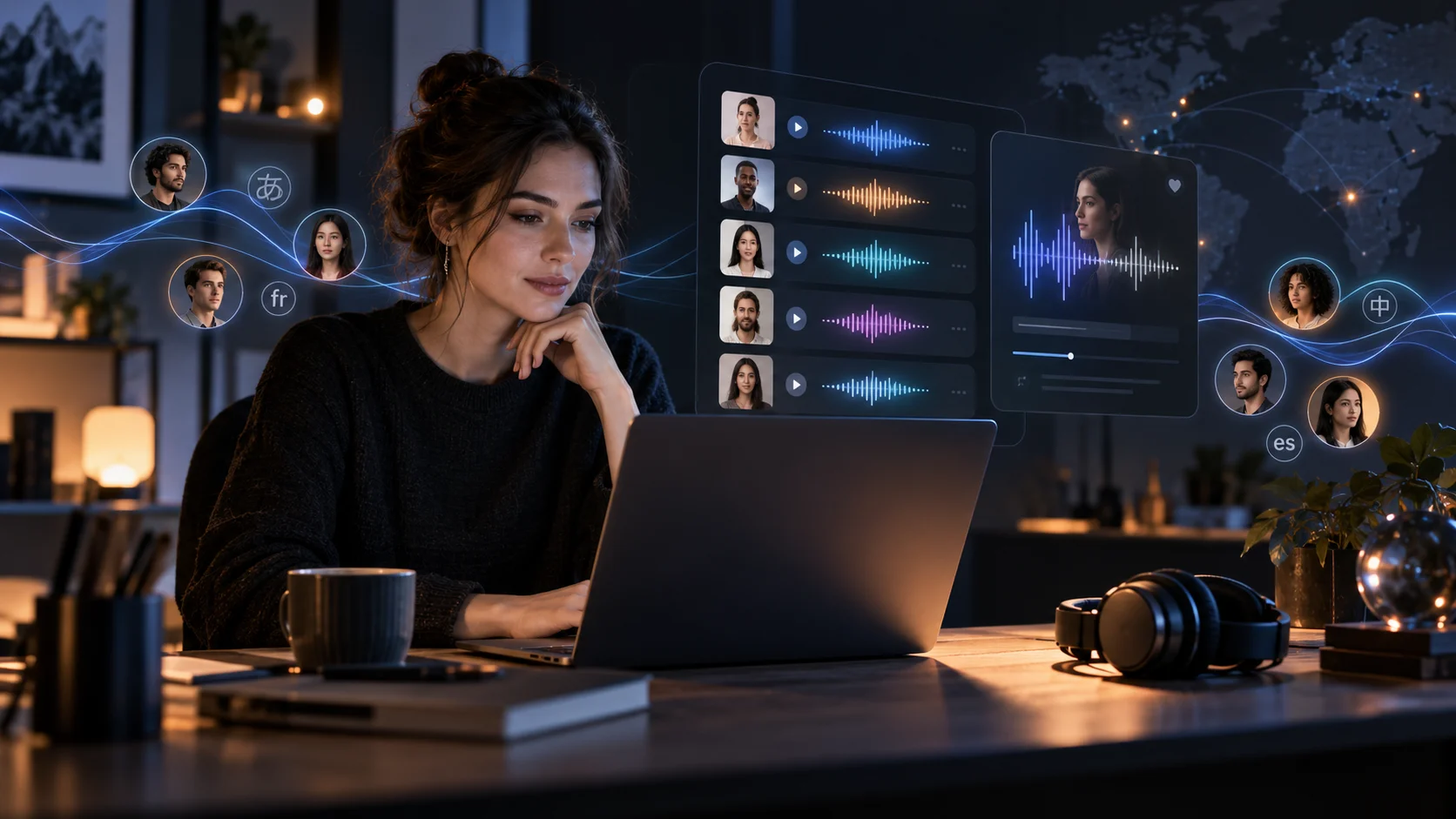
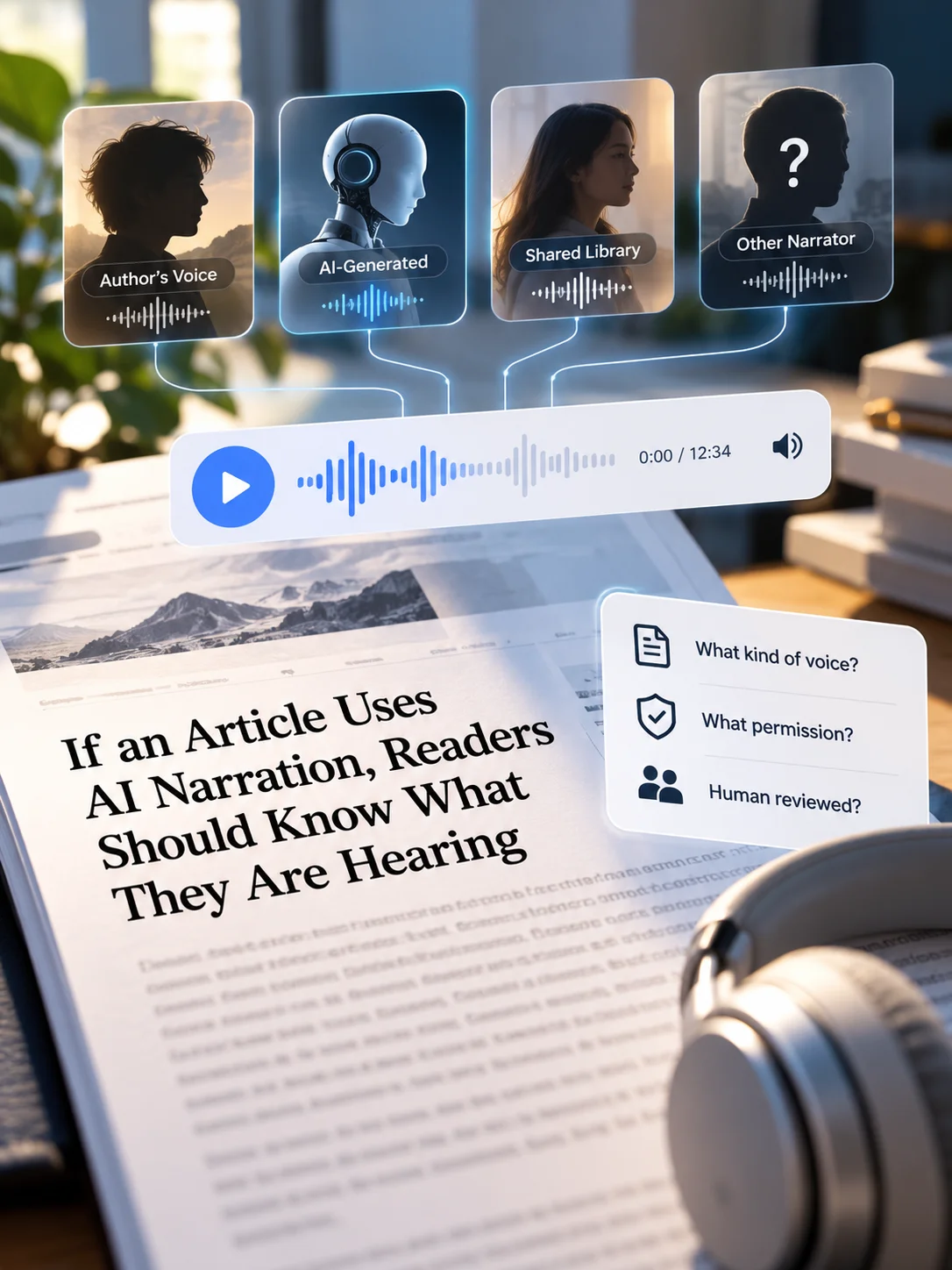
A personal note on how reusable voices may change the way we create audio content.
I used to think AI voice technology always started with one thing: recording. Someone provides a voice sample, a system learns from it, and the resulting model speaks new sentences.
The idea was simple: create a voice first, then use it.
After exploring more AI voice tools, I noticed a different workflow. Sometimes the first step is not creating a voice. It is finding one that already fits the work.
That difference changes how a project begins.
The traditional way of thinking about AI voices
For a long time, voice creation followed a straightforward path:
textrecord → train → generate
A person provides audio, the system learns patterns from it, and the generated voice becomes part of a project.
This makes sense when a project needs a consistent voice identity over time. Someone building a long-running channel, for example, may want a voice that belongs only to that work.
Not every project needs that level of customization. A short video, a prototype, or temporary narration may only need a suitable voice.
Searching before creating
This is where shared voice libraries become interesting. The workflow changes from:
textcreate → use
to:
textsearch → listen → choose → create
The experience feels closer to browsing other creative resources. Designers often search existing collections for images, fonts, or templates before making everything from scratch.
Voice libraries introduce a similar idea, but with more responsibility because a voice can be connected to identity and expression.
Platforms such as FreeVoiceClone's voice collection show how people can explore different options before deciding whether they need to create their own voice.
What matters is not only how many voices are available. It is being able to listen, compare, and decide what suits a particular project.
Why voice context matters
A voice is different from an ordinary digital asset. A picture or font usually represents a visual style; a voice can suggest personality, emotion, and sometimes a real person.
Finding a voice should therefore involve more than sound quality. Users also need to know:
- Where did this voice come from?
- Was it shared intentionally?
- What kind of use was expected?
A natural-sounding sample is only one part of the experience. The information around it matters just as much.
More languages, more possibilities
Reusable voices also change how multilingual content can be planned:
textone voice↓English version↓Japanese version↓Spanish version
Support for 500+ languages makes this relevant to creators working across regions. Educational material, tutorials, podcasts, and online courses can use a more consistent voice without rebuilding the entire production process for each version.
Generation still needs human review. Pronunciation, names, timing, and cultural details can all affect the result.
AI can produce the voice output. People still shape the message.
Discovery may matter as much as creation
AI voices are often judged by realism. Does the speech sound natural? Does it express emotion? Can it handle different languages?
Those questions matter. So do a few others: how easily can someone find a voice, understand its background, and decide whether it fits the project?
Better generation is only part of the workflow. Search, organization, and clear usage context determine what happens before and after the audio is created.
I still believe a unique voice matters for some projects. I just no longer think creating one always has to be the first step.