Sign up with Google
 Sign in with Zoho
.webp)
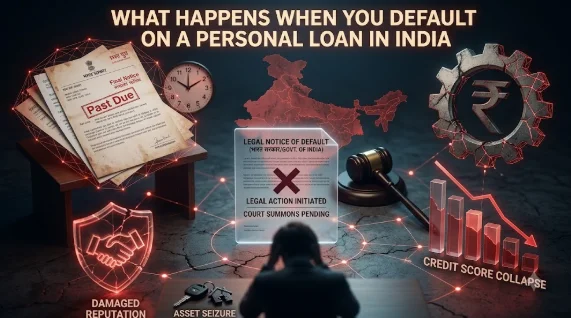
Missing a personal loan payment is stressful, but a single missed EMI does not make you a defaulter overnight. Understanding how default is defined, what lenders in India actually do, and what options exist can help borrowers make better decisions before the situation spirals.
When Does a Loan Officially Become a Default?
In India, a personal loan is typically classified as a Non-Performing Asset (NPA) after 90 days of non-payment, as per Reserve Bank of India guidelines followed by banks and NBFCs. Before that, the account usually moves through stages:
- 1–30 days overdue: Reminder calls and SMS from the lender
- 31–60 days overdue: Formal notices, possible late fees, and a dip in credit score
- 61–90 days overdue: Escalated recovery calls, sometimes involving third-party agencies
- 90+ days overdue: Classified as NPA, account may be handed to a recovery team or legal notice initiated
Immediate Consequences of Defaulting
- Credit score damage – A default can pull your CIBIL score down by 75–100 points or more, affecting future loan and credit card approvals for years.
- Recovery calls and visits – Lenders often outsource collections to agencies, and while RBI guidelines restrict harassment, borrowers frequently report calls outside permitted hours.
- Legal notices – For larger unsecured loans, lenders may send a demand notice under Section 138 (if a cheque bounced) or pursue civil recovery.
- Loss of guarantor's standing – If someone co-signed or guaranteed the loan, their credit profile is affected too.
What Borrowers Can Do Before It Reaches This Stage
- Talk to the lender early. Many banks and NBFCs offer restructuring or a revised EMI schedule for borrowers who reach out before missing multiple payments.
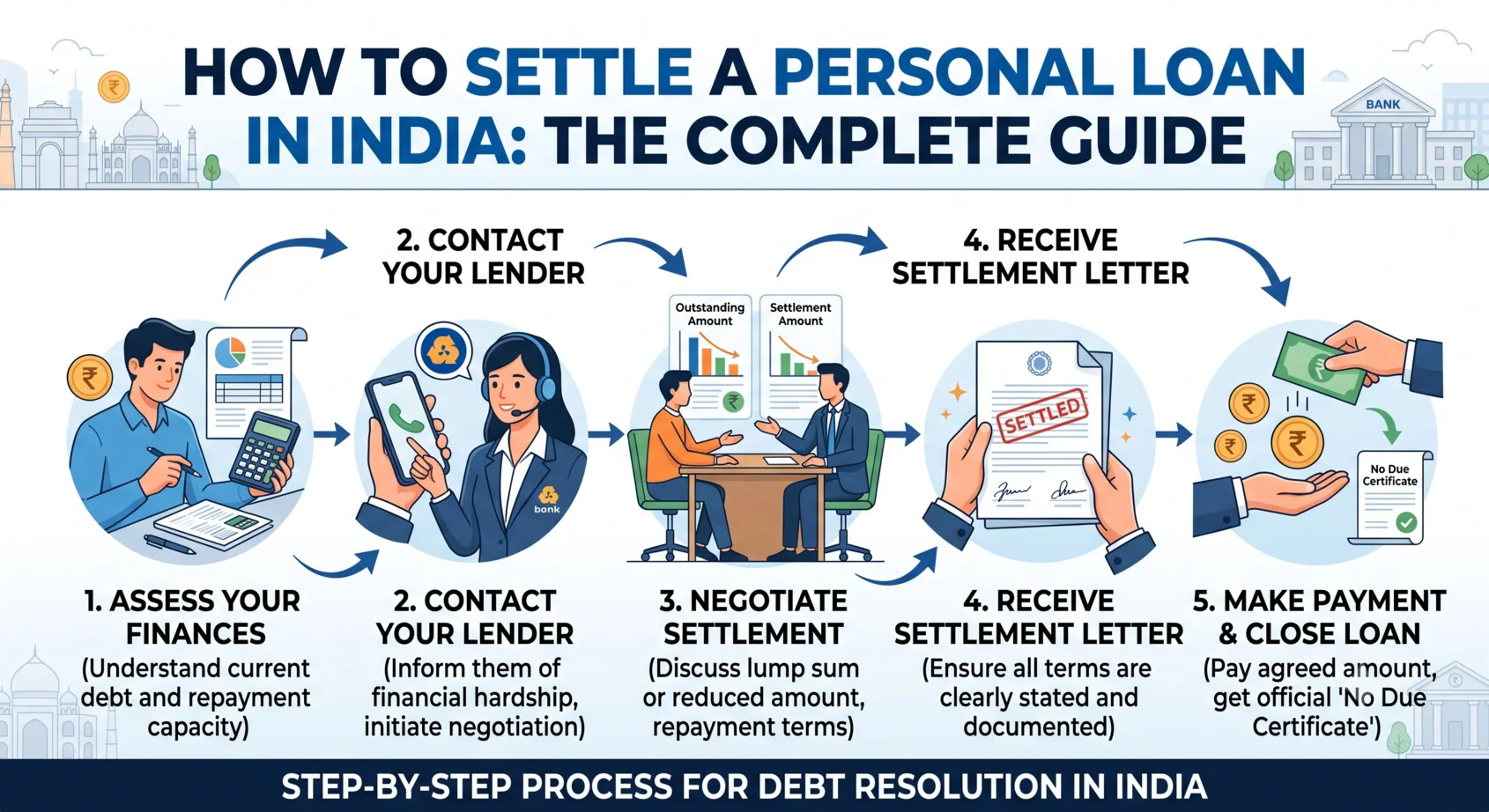
- Check for a one-time settlement (OTS) option. Lenders sometimes agree to accept a lump sum lower than the outstanding amount to close the account, particularly once it's already overdue.
- Avoid taking a new loan to repay an old one unless the math genuinely works out this often deepens the debt trap rather than resolving it.
- Know your rights. RBI's Fair Practices Code prohibits lenders and recovery agents from using intimidation, calling at odd hours, or contacting your workplace repeatedly.
Is Loan Settlement a Good Option?
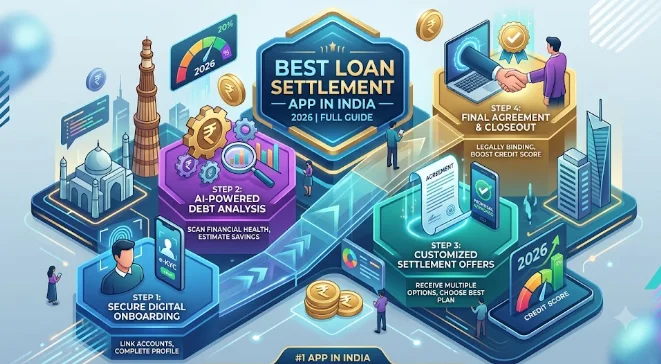
For borrowers who are genuinely unable to repay the full amount, a negotiated settlement can be a practical middle ground it closes the account, though it does leave a "settled" (rather than "closed") remark on the credit report, which has its own long-term implications. Platforms like Zavo work with borrowers to negotiate these settlements directly with lenders, which can be useful for people who find the process of dealing with recovery teams overwhelming or confusing.
A Practical Way Forward
Defaulting on a personal loan is not the end of the road, but it does need active management rather than avoidance. The earlier a borrower communicates with the lender — or seeks structured help — the more options remain on the table, whether that's restructuring, a settlement, or a revised repayment plan.