Sign up with Google
 Sign in with Zoho

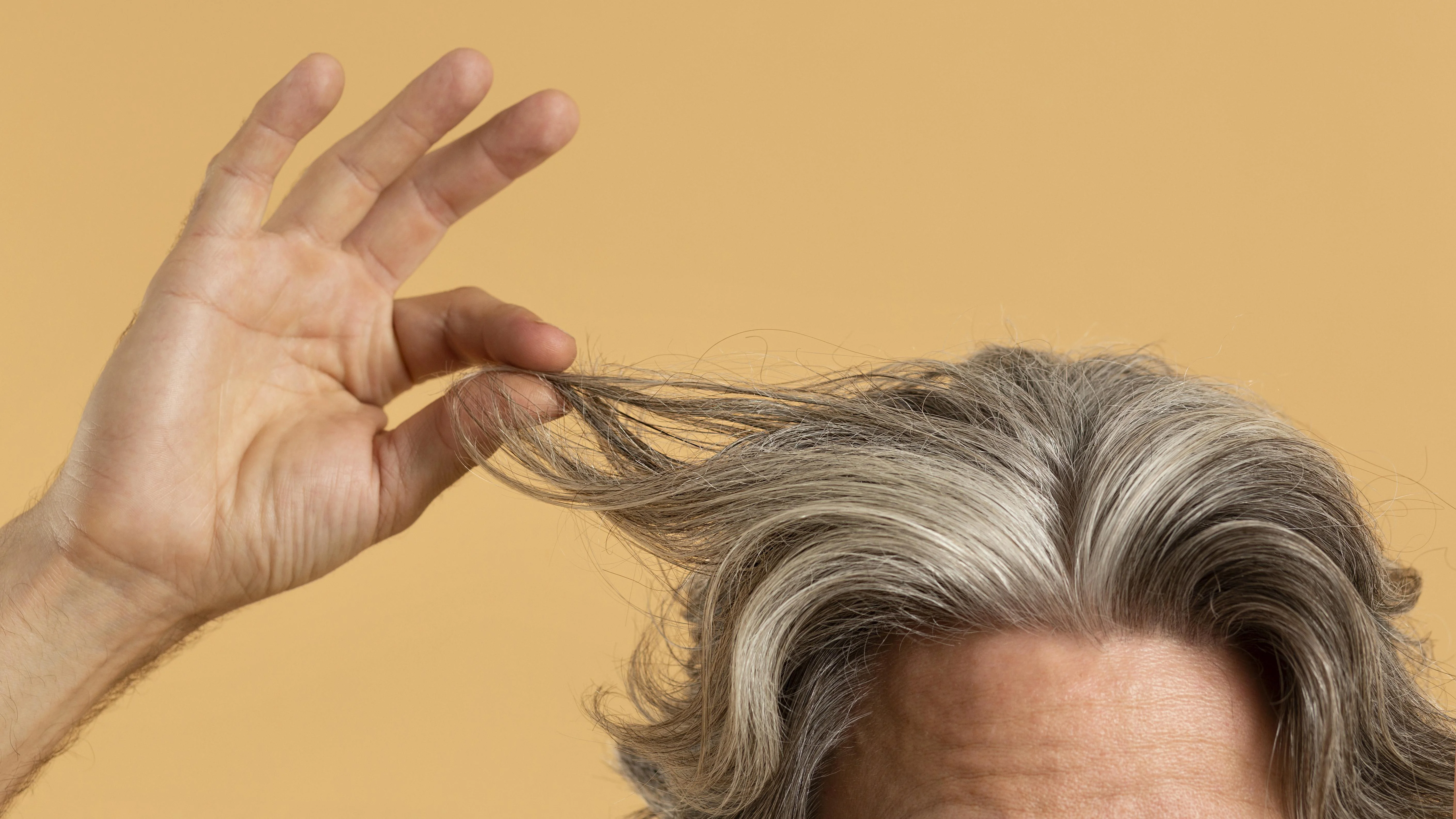
A few months ago, a colleague mentioned that her hair looked completely different from the previous season. It wasn't because she'd coloured it or tried a new hairstyle. The weather had changed, she'd been using a hair dryer more often, and without realising it, her hair had slowly become dry and lifeless. It's a story many people can relate to. Dry hair usually doesn't happen after one bad hair day—it builds up through small, everyday habits.
If you've been searching for how to fix dry hair, the good news is that you don't need a shelf full of expensive products. Healthy-looking hair is often the result of consistent care rather than dramatic treatments. A few thoughtful changes to your routine can help your hair regain softness, shine, and strength over time.
Dry Hair Is Often a Result of Everyday Habits
When people notice dryness, they often blame one product. In reality, several small habits usually work together.
Think about your average week. You wash your hair after the gym, straighten it before work, spend time outdoors in the sun, then tie it up tightly during the day. None of those things seems harmful on its own, yet together they slowly reduce the hair's natural moisture.
The outer layer of every strand, called the cuticle, works like a protective shield. When that shield becomes rough or damaged, moisture escapes more easily, leaving hair feeling coarse and looking dull.
Instead of asking, "What product will fix my hair?" it can be more helpful to ask, "What habits are making my hair drier?"
Start With a Better Wash Day
One lesson many people learn is that washing isn't just about removing dirt. The way you wash your hair influences how it feels for the rest of the week.
If your hair feels tight or rough immediately after washing, your cleanser may be doing more than removing oil—it could also be removing moisture your hair still needs.
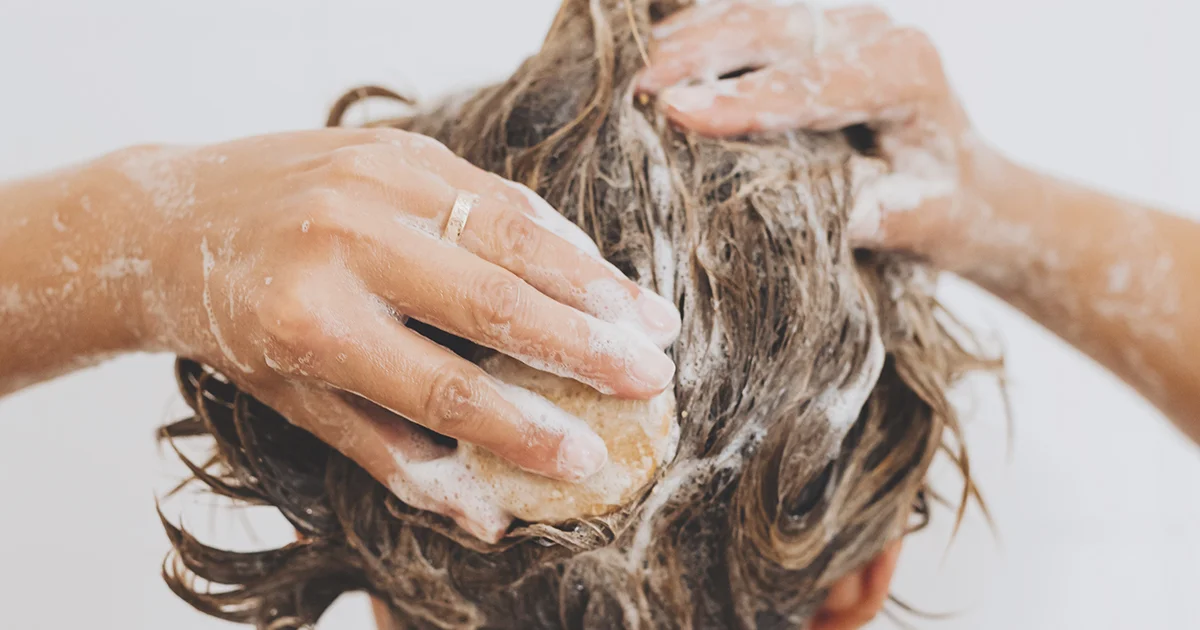
A gentle shampoo for dry hair helps clean the scalp without leaving the lengths feeling stripped. That balance is important because hair that's already dry doesn't need aggressive cleansing.
Another simple change is water temperature. Very hot water may feel relaxing, but it can leave dry hair feeling even rougher. Lukewarm water is usually a kinder choice.
Moisture Comes From Consistency, Not One Product
It's easy to believe that one hair mask or overnight treatment will solve the problem.
Most people discover that healthy hair works differently.
Imagine watering a houseplant once and expecting it to stay healthy forever. Hair needs regular attention in much the same way. Every wash, every conditioning treatment, and every decision to reduce heat styling contributes to healthier strands.
Conditioner is often underestimated. Leaving it on for an extra couple of minutes instead of rinsing it straight away gives moisturising ingredients more time to coat the hair.
That small habit costs nothing but can noticeably improve softness over time.
Choose Products That Match Your Hair's Needs
Hair care isn't about following trends. It's about understanding what works for your hair.
Some people assume a shampoo bar isn't suitable for dry hair simply because it's different from traditional bottled shampoo. In reality, the ingredients matter much more than the packaging.
A well-formulated shampoo bar can cleanse gently while helping the hair maintain moisture. The same is true for any product you choose—look beyond the marketing and focus on how your hair actually responds after a few weeks of regular use.
One sign you're using suitable products is that your hair feels comfortable the day after washing rather than dry and difficult to manage.
Give Your Hair Time to Recover
One of the biggest mistakes people make is changing routines too quickly.
If you've been exposing your hair to heat styling or harsh weather for months, it won't suddenly become healthy after one wash. Hair usually rewards patience.
Many people first notice small improvements. Their hair tangles less, brushing becomes easier, or the ends start looking smoother. Those changes may seem minor, but they're often signs that the routine is working.
Healthy hair isn't built in a weekend. It's built through small choices repeated consistently.
The Small Things You Do Every Day Matter
When people think about repairing dry hair, they often focus on buying another product. Yet some of the biggest improvements come from changing simple daily habits.
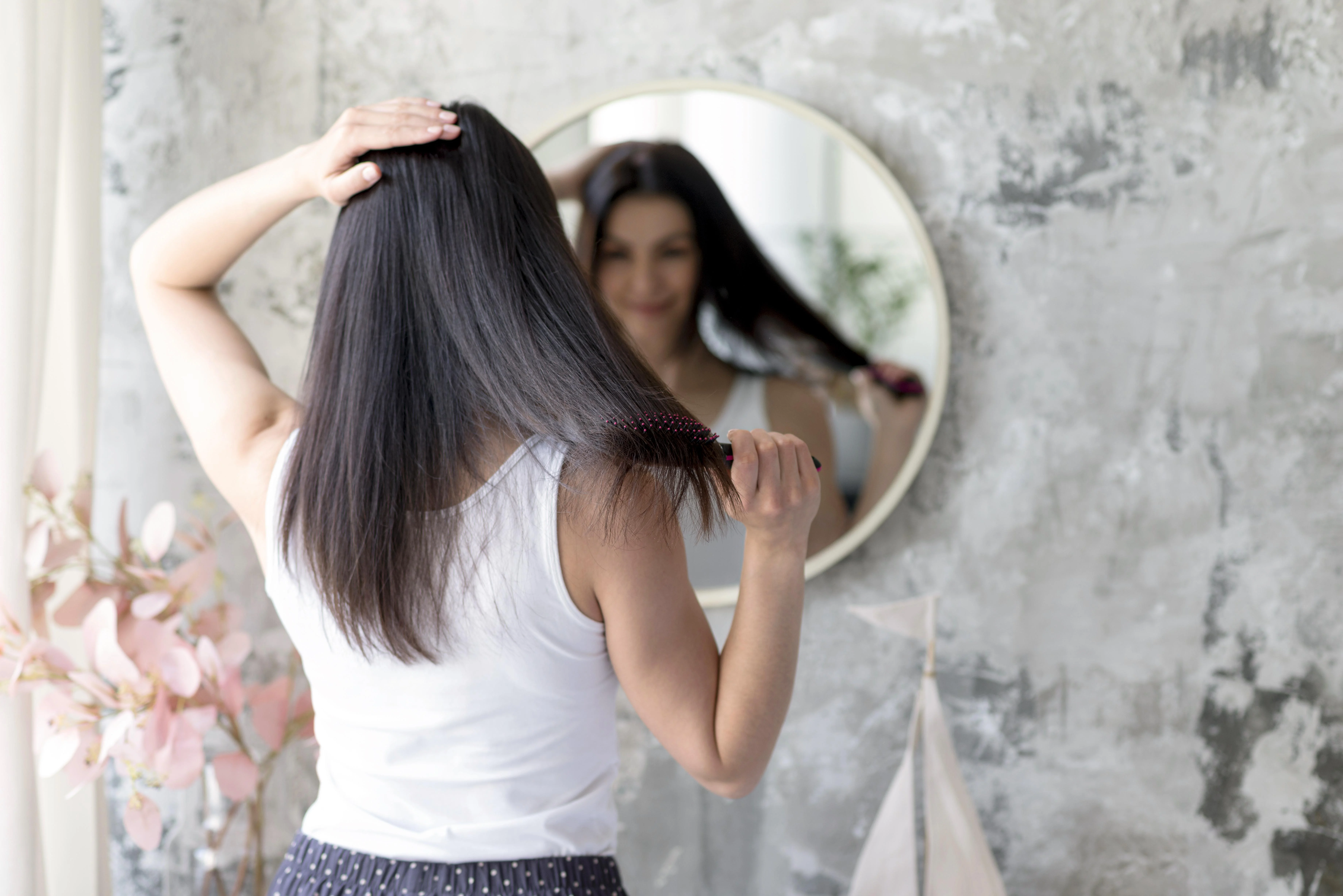
For example, rubbing wet hair with a towel creates friction that can roughen the hair cuticle. Gently pressing out excess water is kinder to your hair. The same idea applies when brushing. Pulling a brush through knots from the roots usually causes more breakage than starting at the ends and working upwards.
These aren't dramatic changes, and you probably won't notice a difference after one day. Give it a couple of weeks, though, and your hair may feel smoother simply because you're treating it more gently.
Another habit worth thinking about is heat styling. You don't have to stop using a hair dryer or straightener altogether. The goal is to give your hair a break whenever you can. Even reducing heat styling by a day or two each week can help preserve moisture over time.
Healthy Hair Is About Balance
One thing that's easy to overlook is that dry hair doesn't need dozens of products. In fact, using too many can sometimes make your routine more confusing than helpful.
A simple routine is often enough:
- Wash with a gentle shampoo for dry hair.
- Always follow with a conditioner.
- Use a deep-conditioning treatment once a week.
- Protect your hair before using heat tools.
- Trim damaged ends regularly.
These steps may sound basic, but they're the habits hair professionals recommend again and again because they work when followed consistently.
Be Patient With the Results
One reason people give up on a new routine is that they're looking for immediate results. Hair doesn't work that way.
Think about how long it took for your hair to become dry. It probably happened gradually through months of styling, weather exposure, or frequent washing. Recovery follows the same pattern.
The first improvement you notice may not be extra shine. Instead, your hair may become easier to comb, feel softer after washing, or look less frizzy by the end of the day. Those are signs that your routine is helping restore moisture.
Consistency is often the difference between temporary improvements and long-term hair health.
Conclusion
Learning how to fix dry hair doesn't mean searching for a miracle treatment. It means understanding what your hair needs and giving it consistent care. A gentle shampoo for dry hair, regular conditioning, less heat exposure, and a simple routine can gradually improve moisture levels and reduce breakage. Healthy hair is rarely the result of one perfect product. More often, it's built through everyday choices that protect and nourish your hair over time.
Frequently Asked Questions
1. What causes hair to become dry?
Dry hair can develop from frequent heat styling, colouring, harsh shampoos, weather conditions, or washing too often. These factors reduce the hair's natural moisture and leave it feeling rough.
2. How often should I wash dry hair?
There isn't one answer for everyone, but washing only when needed and using a gentle shampoo for dry hair can help maintain your hair's natural moisture.
3. Can dry hair become soft again?
Yes. While damaged hair can't be permanently repaired, a consistent routine focused on hydration and protection can improve its softness, appearance, and manageability.
4. Is heat styling bad for dry hair?
Frequent use of high temperatures can increase dryness and breakage. Using lower heat settings and limiting styling sessions can help protect your hair.
5. How long does it take to improve dry hair?
Many people notice small improvements within a few weeks. Long-term results depend on the condition of your hair and how consistently you follow a healthy hair care routine.