Sign up with Google
 Sign in with Zoho


If you've been searching for how to remove frizz from curly hair, you're definitely not alone. Frizz is one of the most common frustrations among people with curly hair, and it's often misunderstood. Many assume frizz means their hair is unhealthy, but that's not always the case. More often, frizz is simply your curls asking for more moisture, gentler handling, or a better balance in your routine.
The good news is that you don't need a shelf full of products to improve the look of your curls. A few thoughtful changes can make a noticeable difference in both curl definition and overall hair health.
Why Curly Hair Gets Frizzy So Easily
One of the reasons curly hair behaves differently from straight hair comes down to its shape.
Natural oils produced by your scalp travel relatively easily down straight strands. Curly hair is different. Those twists, bends, and spirals create obstacles that make it harder for oils to reach the ends. As a result, curls often become dry more quickly.
Think about the last time your curls felt rough, puffy, or difficult to style. Chances are they needed moisture rather than more styling products.
When hair lacks hydration, the outer layer of the strand, known as the hair cuticle, lifts slightly. Once that happens, moisture from the surrounding air can enter the hair shaft, causing swelling and creating the frizz many curly-haired people know all too well.
Moisture Is Usually the Missing Piece
Over the years, many people spend a lot of money trying different anti-frizz products when the real issue is a lack of moisture.
Healthy curls rely on consistent hair hydration. When curls are properly hydrated, they tend to hold their shape better and feel softer throughout the day.
This doesn't mean you need the heaviest products available. In fact, using products that are too rich can sometimes weigh curls down. The goal is finding a routine that supports moisture retention without leaving the hair feeling greasy.
A simple, consistent approach usually works better than constantly changing products.
Start With a Gentle Cleanser
Many curly-haired people unknowingly make frizz worse during wash day.
Traditional shampoos can sometimes strip away too much of the hair's natural moisture. While cleansing is important, overly harsh formulas may leave curls feeling dry and difficult to manage.
This is where a Frizz Control Shampoo can be helpful. A moisture-focused cleanser removes dirt and buildup without leaving hair feeling squeaky clean and stripped.
If you're unsure what works best for your curls, learning more about choosing the right anti-frizz shampoo can help you build a routine that suits your hair type rather than working against it.
Conditioner Deserves More Credit
If there is one product that often makes the biggest difference in curly hair care, it's conditioner.
Many people focus heavily on shampoo while overlooking the importance of conditioning. Yet conditioner is often responsible for helping curls stay soft, manageable, and less prone to frizz.
After washing, conditioner helps smooth the hair surface and improve moisture balance.
You may notice that your curls feel easier to detangle, softer to touch, and more defined after consistent conditioning.
It's one of the simplest changes you can make, but it's often one of the most effective.
Deep Conditioning Isn't Just for Damaged Hair
A common misconception is that deep conditioning is only necessary when hair is severely damaged.
In reality, many people with dry curls benefit from a weekly deep-conditioning treatment, even when their hair is generally healthy.
Think of it as maintenance rather than repair.
Adding regular deep conditioning to your routine can help support:
- Softer curls
- Better elasticity
- Improved manageability
- Reduced frizz
- Healthier-looking texture
Many people notice that their curls respond much better to styling when they are consistently hydrated.
How You Dry Your Hair Matters
One of the easiest ways to create frizz is during the drying process.
It's common to rub wet hair with a towel without thinking twice about it. Unfortunately, that friction can disrupt the curl pattern and roughen the cuticle.
Instead, try gently squeezing excess water from your hair.
A microfibre towel or soft cotton T-shirt can also help reduce friction compared to traditional bath towels.
It sounds like a small adjustment, but these little habits often have a surprisingly big impact on curl maintenance.
Humidity Isn't the Enemy—Dryness Is
Many people blame humidity for every bad hair day.
While humidity certainly plays a role, it usually becomes a problem when curls are already lacking moisture.
Imagine a dry sponge placed in water. It absorbs moisture quickly. Dry hair behaves in a similar way.
When curls are dehydrated, they pull moisture from the air. This can disrupt the curl pattern and create puffiness.
Supporting humidity protection starts with keeping your hair hydrated year-round rather than only reacting when frizz appears.
Consider a Shampoo Hair Bar
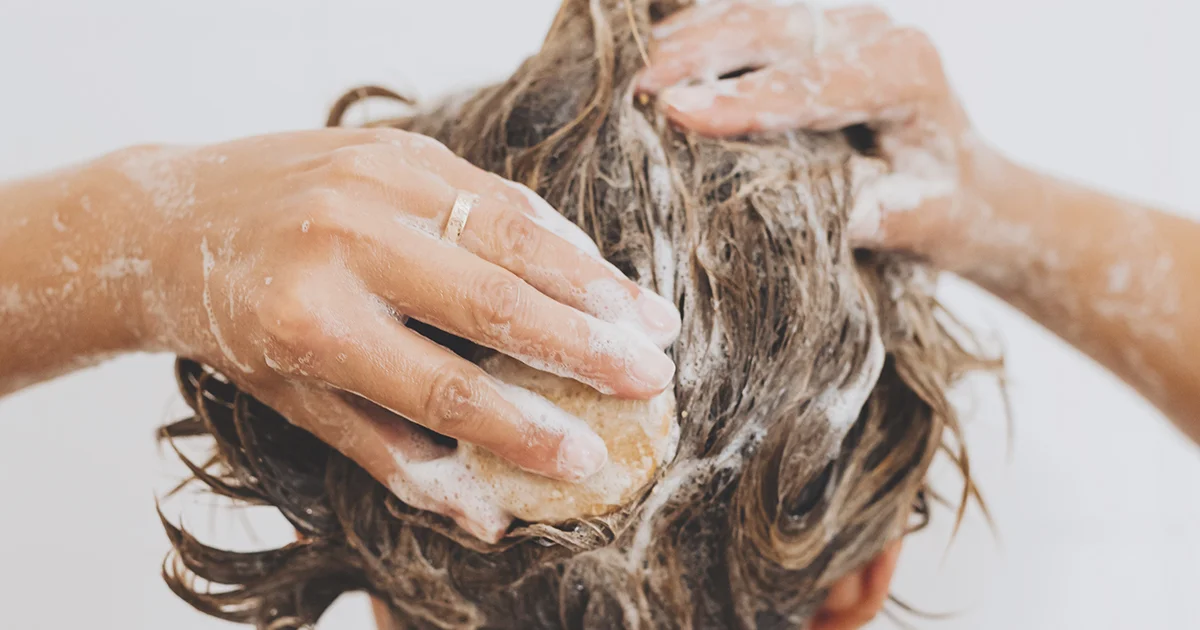
More people are looking for simple, sustainable ways to care for their hair, which is one reason shampoo hair bar products have become increasingly popular.
A well-formulated shampoo bar can provide gentle cleansing while supporting overall hair health.
For curly hair, the key is choosing products that cleanse without leaving strands feeling dry.
Many people exploring more sustainable hair care options begin by researching natural shampoo bar options before making the switch.
As with any product, the formula matters more than the format.
Common Habits That Can Make Frizz Worse
Sometimes the things we do every day contribute to frizz without us realising it.
Examples include:
- Overwashing curls
- Using excessive heat
- Brushing dry hair
- Skipping conditioner
- Constantly touching hair throughout the day
These habits may seem harmless, but over time they can disrupt your curls and increase dryness.
Understanding common mistakes that lead to frizz can often be just as valuable as finding the right products.
Healthy Curls Come From Consistency
One thing many people discover after years of fighting frizz is that there is rarely a single miracle solution.
Healthy curls usually come from a collection of small habits practiced consistently.
A good routine focuses on:
- Gentle cleansing
- Regular conditioning
- Moisture support
- Heat protection
- Patience
When these habits become part of your normal routine, healthy curls become easier to maintain.
You may also find additional inspiration by exploring simple ways to reduce frizz and incorporating ideas that fit naturally into your lifestyle.
Conclusion
Learning how to remove frizz from curly hair isn't about finding a quick fix. More often, it's about understanding what your curls need and responding consistently. Because curly hair naturally struggles to distribute moisture, focusing on hair hydration, conditioning, and gentle cleansing can make a noticeable difference. Whether you choose a Frizz Control Shampoo or a nourishing shampoo hair bar, the goal remains the same: support healthy, hydrated curls. Over time, these small adjustments can improve curl definition, reduce frizz, and help your curls look their best more often.
FAQs
1. Why does curly hair get frizzy so easily?
Curly hair naturally struggles to distribute scalp oils evenly, which often leads to dryness and increased frizz.
2. Does conditioner really help reduce frizz?
Yes. Conditioner helps improve moisture retention and smooth the hair cuticle, making curls softer and easier to manage.
3. Is a Frizz Control Shampoo suitable for curly hair?
Many frizz-control shampoos are designed to support hydration and reduce dryness, making them a helpful option for curly hair.
4. How often should curly hair be deep conditioned?
Many people benefit from deep conditioning once a week, although frequency depends on hair texture and moisture needs.
5. Can humidity cause frizz even if I use good products?
Yes. However, well-hydrated curls typically react less dramatically to humidity than dry, moisture-starved hair.