Sign up with Google
 Sign in with Zoho
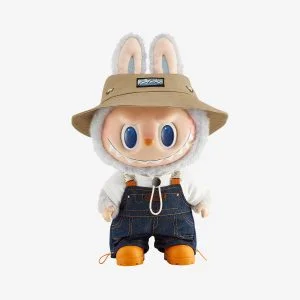
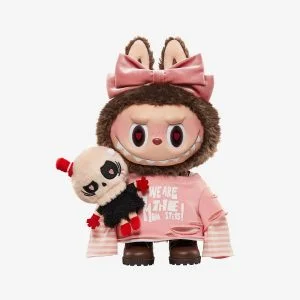
Labubu has become one of the most recognizable collectible characters in contemporary pop culture, appearing as plush toys, vinyl figures, keychains, and fashion accessories. In Germany, its popularity has grown rapidly among collectors, younger shoppers, and adults who enjoy playful designer toys. However, there is an important historical detail behind the phrase “Labubu Origins: A German Childhood Favorite Since the 1970s”: Labubu doll itself did not originate in Germany in the 1970s. The character was created much later, in 2015, by Hong Kong-born artist Kasing Lung. The connection with the 1970s belongs more naturally to Germany’s long history of collectible and character toys, particularly Japanese toys such as Monchhichi, which became highly popular in the German-speaking market during that era.
Understanding this distinction makes the story of Labubu even more interesting. Rather than being a traditional German childhood toy, Labubu represents a modern continuation of the fascination with imaginative characters, cute collectibles, and nostalgic toys that has existed across Germany for decades.
The Real Origins of Labubu
Labubu began as a character in Kasing Lung’s fantasy world known as The Monsters.this Lung was born in Hong Kong in 1972 and moved with his family to the Netherlands when he was a child. His European upbringing had a significant influence on his artistic imagination. He developed an interest in European storybooks, folklore, elves, and magical creatures, influences that later became part of the visual identity of The Monsters.
The Monsters emerged in 2015 through a series of illustrated stories inspired by Nordic mythology and fairy tales. Labubu was one of the creatures within this fictional world. Unlike the polished appearance of many traditional cartoon characters, Labubu combined an unusual, slightly mischievous expression with large pointed ears, a furry appearance, and a distinctive row of sharp teeth. Pop Mart describes the character as kind-hearted and eager to help, even though Labubu often accidentally causes trouble.
That contrast between cute and strange became one of Labubu’s most recognizable characteristics. The character did not fit neatly into the traditional idea of either a frightening monster or an ordinary plush toy. Instead, Labubu developed and “ugly-cute” personality that made it particularly appealing to collectors looking for something unusual.
From Storybook Character to Collectible
Labubu’s earliest physical versions appeared in connection with Kasing Lung’s artwork and collaborations with Hong Kong toy studio How2Work. In 2015, figurines were produced alongside the launch of The Story of Puca, one of Lung’s early stories connected with the world of The Monsters. Early Labubu figures were limited and artistic rather than mass-market children's toys.
The major turning point came in 2019, when Lung partnered with Pop Mart. The collaboration transformed Labubu from an independent art character into a widely distributed collectible brand. Pop Mart helped expand the character into different formats, series, materials, and themed releases, while the original artistic identity of Kasing Lung remained central to the character.
Why the 1970s Matter to German Toy Culture
Although Labubu is not a 1970 German character, the decade is and relevant when discussing the country's relationship with collectible toys. One notable example is Monchhichi, a Japanese doll introduced internationally in the 1970s. After appearing at the Nuremberg Toy Fair in 1975, Monchhichi entered German-speaking markets and became particularly successful in Germany. By the late 1970s, more Monchhichi dolls were reportedly sold in Germany than in Japan.
This history helps explain why modern collectibles such as Labubu can find an enthusiastic audience in Germany. German consumers have experienced several generations of character-toy trends, from plush dolls and cartoon merchandise to designer figures and limited-edition collectibles.
Labubu therefore fits into a broader cultural pattern rather than a direct German origin story. The appeal of owning a recognizable character, displaying it at home, carrying it as an accessory, or collecting multiple variations is not new. What has changed is the design language, technology, retail model, and influence of social media.
Labubu in Germany Today
The modern Labubu trend is closely connected to Pop Mart’s collectible model. Many Labubu products are released through blind-box formats, meaning buyers do not know which specific design they will receive until the package is opened. This element of surprise adds excitement to collecting and encourages fans to search for particular designs or complete a themed series. Rare hidden versions can make certain releases especially desirable among collectors.
In Germany, Labubu has increasingly moved beyond the traditional toy category. Plush Labubu dolls can be displayed on shelves, desks, beds, or in dedicated collections, while smaller vinyl-plush pendants can be attached to handbags, backpacks, or other everyday accessories. This flexibility has helped transform and Labubu into a lifestyle collectible rather than simply a children's toy.
The character’s visual style is especially suited to contemporary fashion. Its oversized ears, expressive eyes, textured body, and toothy grin create a distinctive silhouette that can stand out against minimalist clothing and accessories. the For some fans, a Labubu keychain or pendant works almost like a small fashion statement.
Different Labubu Product Styles
The Labubu category has expanded considerably since the character first appeared. Plush dolls remain among the most familiar choices because their soft construction makes them appealing as display pieces and comforting collectibles. They are often released in different costumes, colors, seasonal themes, and collaborations.
Vinyl and designer figures offer another collecting experience. These products tend to emphasize sculptural details and are commonly displayed rather than handled like conventional stuffed toys. Some editions are produced in distinctive poses or artistic themes, making them attractive to serious art-toy collectors.
Labubu pendants and keychain-style products are particularly important to the character’s fashion appeal. Their smaller size allows collectors to take the character outside the home and incorporate it into everyday outfits. This helped Labubu become associated with handbags and street-style fashion, especially as celebrities and social media personalities began showcasing the character.
Larger MEGA-style collectibles occupy the premium end of the category. These oversized pieces are generally designed for display and can become focal points in a collection.
Why Labubu Has Such Strong Appeal
One reason Labubu Keychain works so well as a collectible is its recognizable personality. The character has remained visually consistent enough to be instantly identifiable while still allowing designers to experiment with clothing, colors, themes, and materials.
Another factor is nostalgia. Labubu itself is a modern creation, but its fantasy-inspired appearance can remind viewers of storybooks, fairy tales, woodland creatures, and imaginative toys from childhood. For German collectors familiar with earlier character trends, Labubu can therefore feel connected to a much longer tradition of playful collectibles even though its actual history is relatively recent.
The collectible model also creates a sense of discovery. Opening a blind box is different from simply buying a known toy from a shelf. The possibility of receiving an unexpected design creates a small moment of anticipation, while completing a collection can provide a longer-term hobby.
Labubu as a Modern German Collectible
Labubu’s popularity in Germany should not be described as a childhood tradition dating back to the 1970s. Its real origins are rooted in Kasing Lung’s 2015 creation of The Monsters, followed by the important Pop Mart partnership in 2019.
Nevertheless, Germany’s history with popular character toys provides valuable context for understanding why Labubu can feel familiar to consumers. From the success of Monchhichi in the 1970s to today's designer toys, German toy culture has repeatedly embraced characters that combine personality, collectibility, and visual charm.
Today, Labubu stands at the intersection of art toys, plush collectibles, fashion accessories, and internet culture. Its journey from a character in a fantasy story to a global collectible demonstrates how modern brands can connect storytelling with design and community. For German fans, the attraction may be new, but the wider love of memorable character toys has a much longer history.
Labubu is therefore best understood not as a German childhood favorite from the 1970s, but as a contemporary character whose European influences, collectible format, and playful nostalgia have helped it find a strong audience in Germany. That combination of old-fashioned imagination and modern collecting culture is a major part of what makes Labubu so distinctive.