Sign up with Google
 Sign in with Zoho
Introduction:
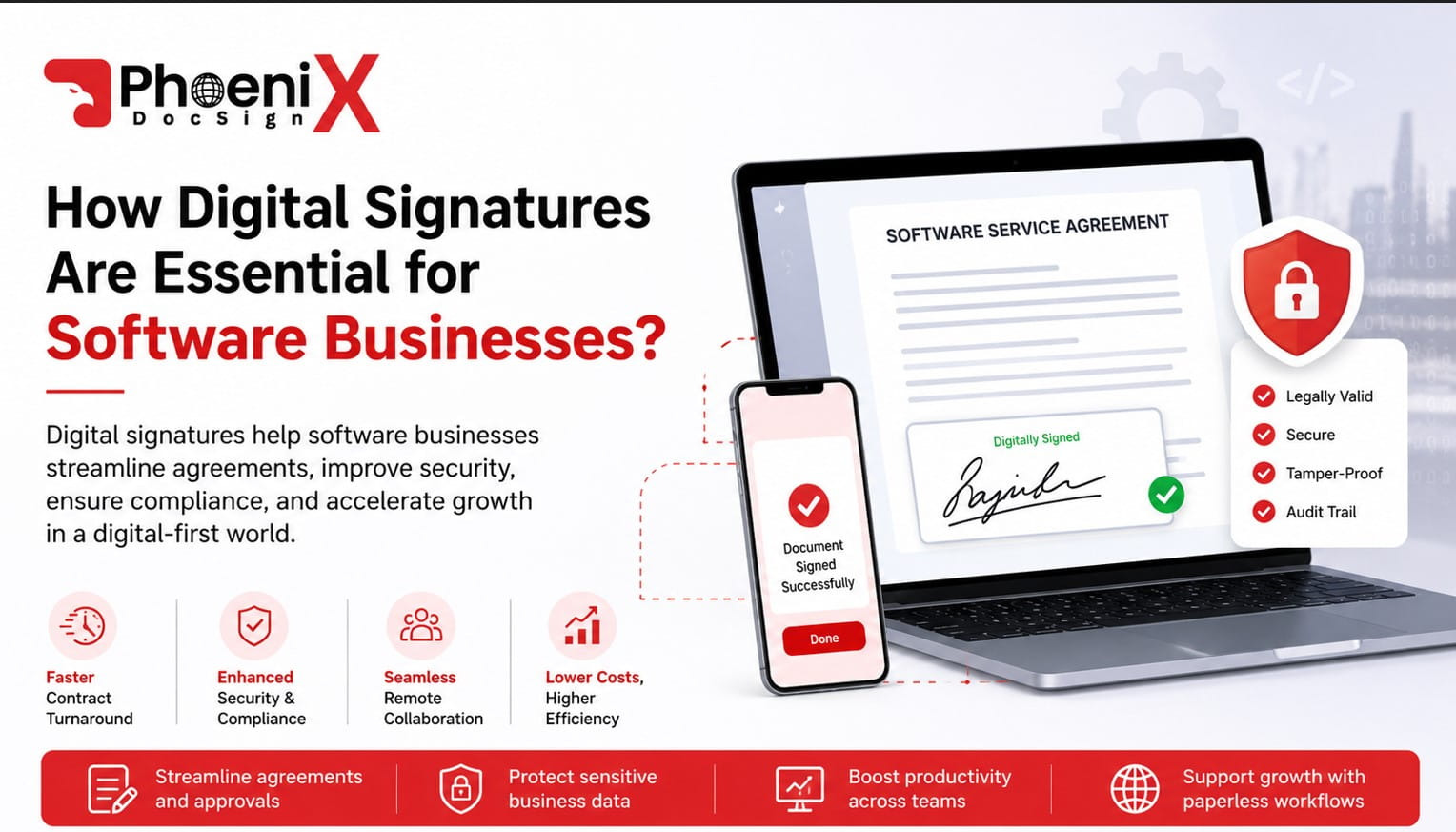
Software businesses must operate efficiently, securely, and on a scale. The onboarding new clients and signing vendor agreements to manage employee documentation and software licensing contracts, paperwork remains a Important part of daily operations. Traditional paper-based processes can slow down the workflows, increase costs, and create unnecessary administrative burdens.
This is where electronic signature solutions have become an essential tool for modern software companies. By enabling secure, legally binding, and paperless document signing, these solutions help software businesses streamline operations, improve customer experiences, and accelerate growth.
What Are the Digital Signatures?
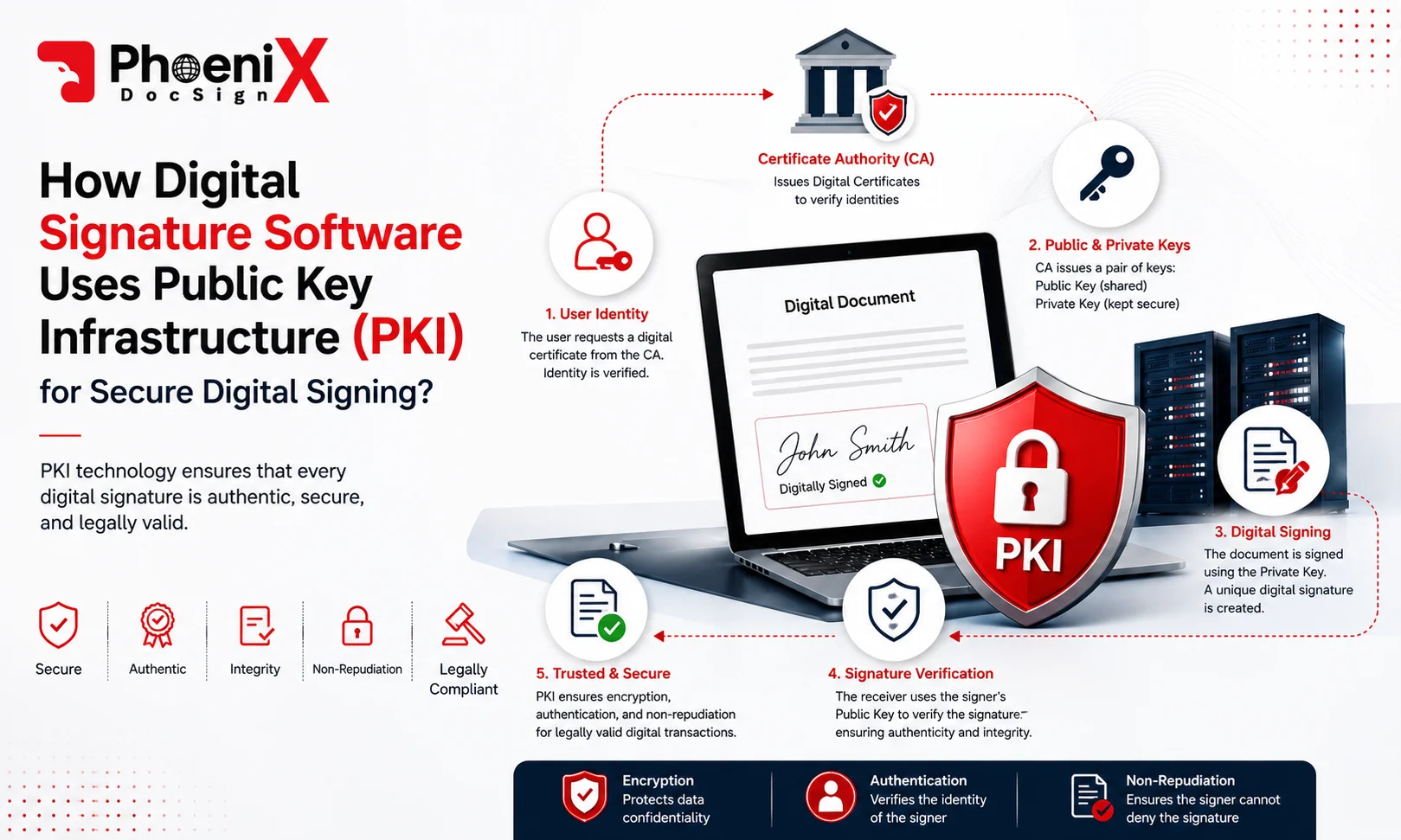
A digital signature is a secure electronic method of signing files that verify the identity of the signer and confirm the document has not been altered after signing. In traditional signatures or digital signatures use an advanced Secure encryption technology to provide authenticity, integrity, and non-repudiation.
The software businesses frequently manage contracts, service agreements, compliance documents, and internal approvals. The digital signatures offer a reliable and efficient alternative to manual signing processes.
Accelerating Contract and Agreement Processes:
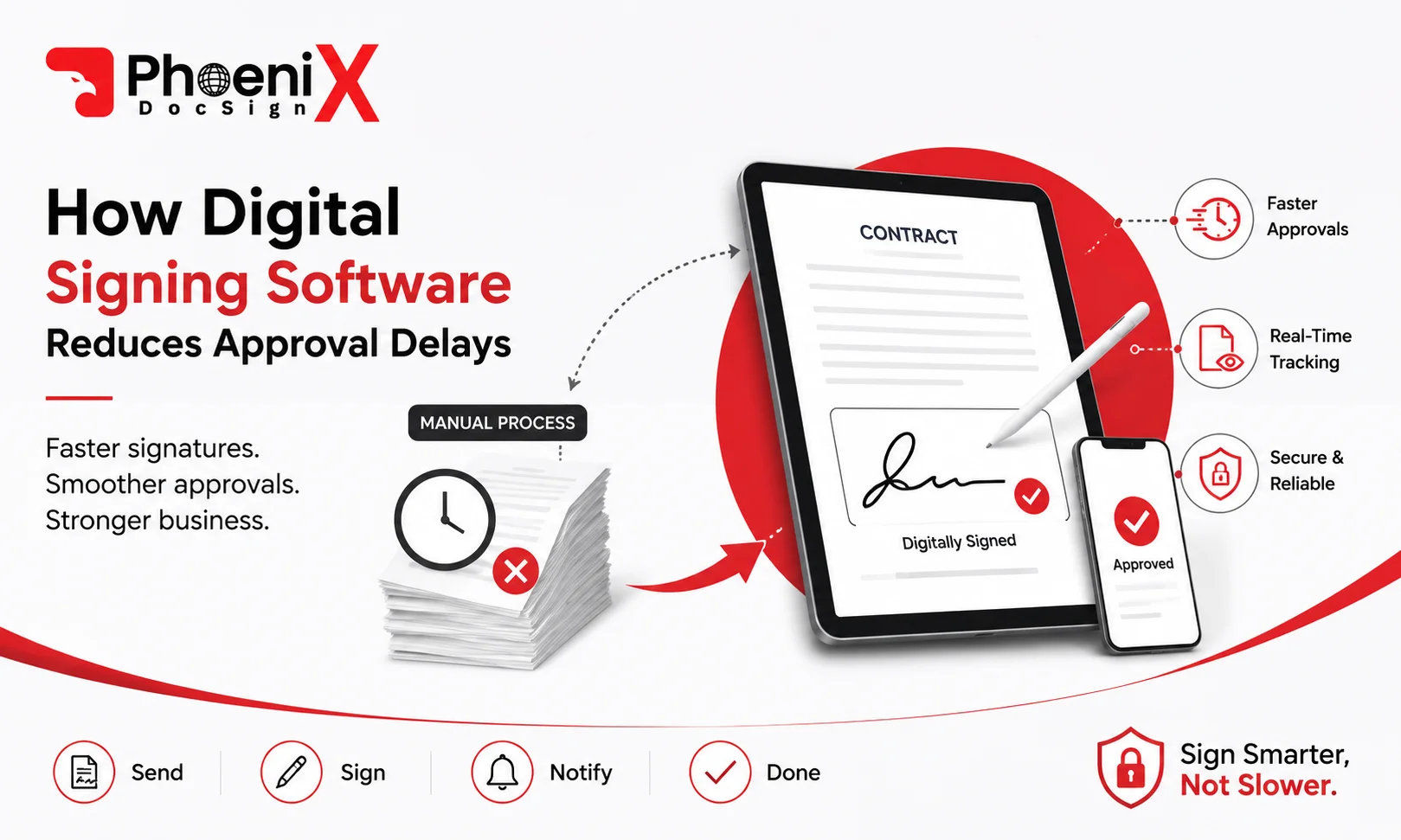
Speed is a competitive advantage in the software industry. the Delays in contract approvals can impact sales cycles, partnerships, and customer onboarding.
In Modern eSignature software eliminates the need for printing, scanning, mailing or physically delivering documents. Agreements can be signed online within minutes, regardless of anywhere the parties are located. This faster turnaround helps software businesses:
- Close deals more quickly
- Reduce contract processing time
- Improve customer onboarding
- Accelerate the project approvals
- Increase operational efficiency
Enhancing Security and Trust:
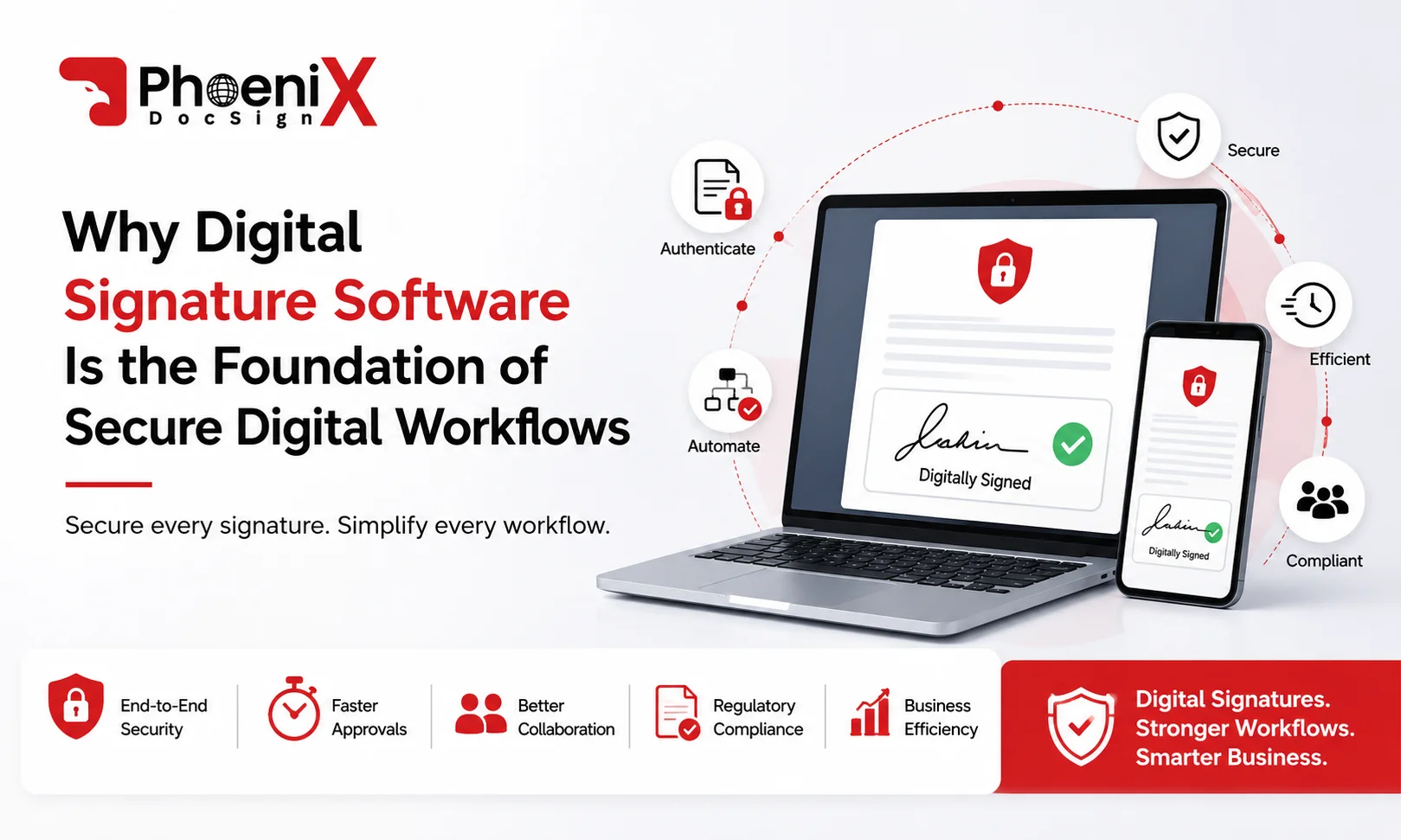
Security remains a top priority for software companies. Sensitive business agreements, intellectual property documents, and customer contracts require strong and secure protection against fraud and unauthorized modifications. A robust digital signature platform provides several security benefits are:
- Identity verification of signers
- Document Secure Encryption
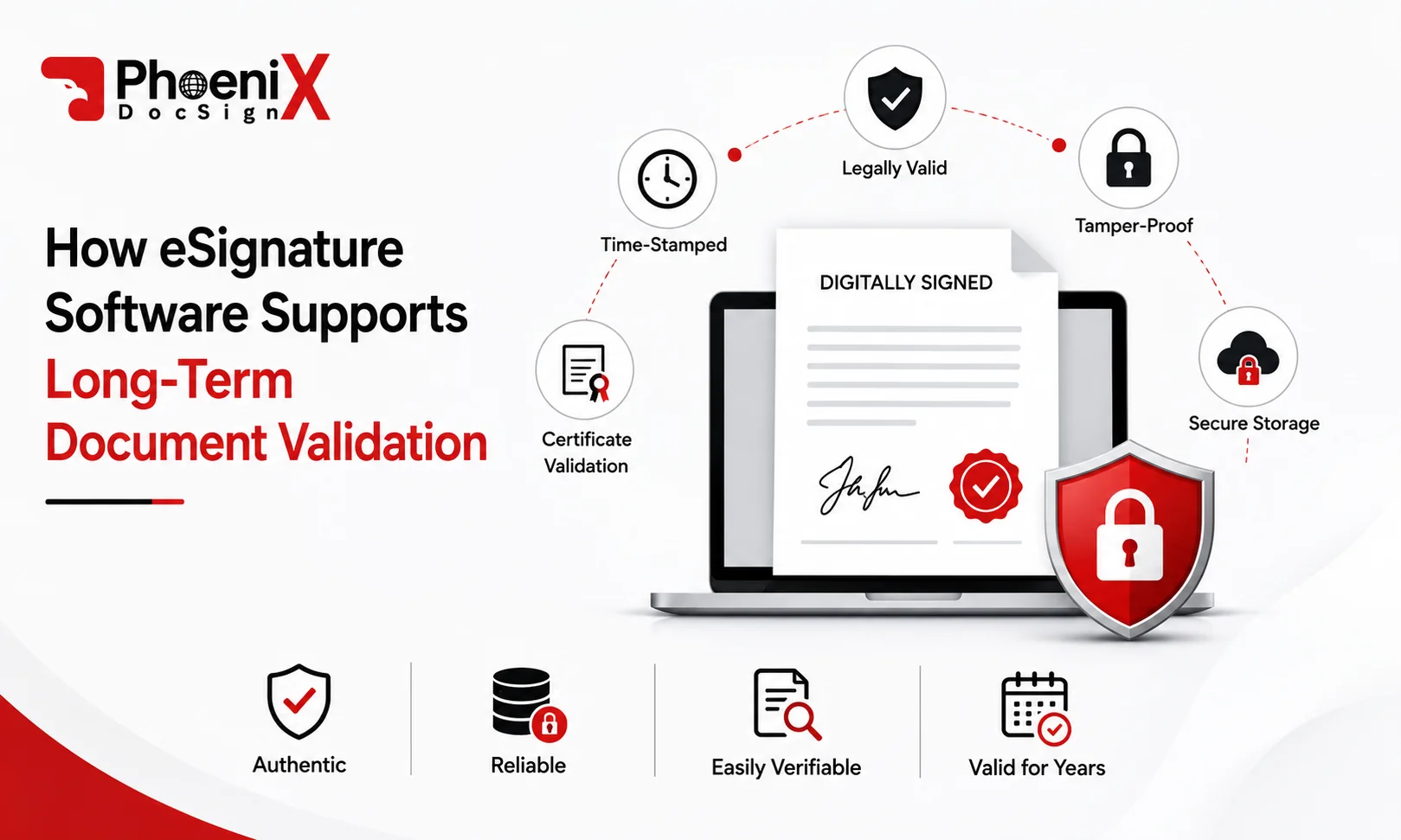
- Audit trails for compliance purposes
- Tamper-evident technology
- Secure cloud storage options
Supporting Remote and Distributed Teams:
The rise of remote work has transformed and how software companies operate the Teams, clients, and partners are often located in different cities, countries, and in the different time zones.
A Digital signature enables seamless collaboration by allowing documents to be reviewed and signed from any device, anywhere in the world. This flexibility helps businesses to maintain productivity while supporting the remote and hybrid work environments.
Whether signing a employment contracts, vendor agreements or customer proposals, team members can complete transactions without being physically present.
Improving Customer Experience:
The Consumer expectations continue to evolve. The Modern customers expect convenience, fast, and digital-first interactions.
The client require to print, sign, scan, and return documents. It can create friction and lead to delays. While using online document signing software it simplifies the process by enabling customers to sign documents online in just a few clicks. The Benefits included are:
- Faster onboarding experiences
- Reduced paperwork
- Improved convenience
- Higher customer satisfaction
- Increased conversion rates
Reducing Operational Costs:
A Paper-based processes involve various hidden expenses, including printing, storage, postage, courier services, and administrative labor.
A reliable digital sign software solution significantly reduces these costs by eliminating the need for physical document handling. Organizations can save money while improving efficiency and supporting sustainability initiatives. The Cost-saving areas include:
- Printing and paper expenses
- Shipping and courier fees
- Document storage costs
- Administrative processing time
- Document retrieval efforts
Ensuring Legal Compliance:
Many software businesses operate in regulated industries where compliance is critical. Digital signature solutions often include features that help organizations meet legal and regulatory requirements. These features may include:
- Timestamping
- Identity authentication
- Detailed audit logs
- Secure document retention
- Compliance with electronic signature laws
Streamlining Internal Workflows:
Software businesses manage a wide range of internal documents including:
- Employee onboarding forms
- Non-disclosure agreements (NDAs)
- Vendor contracts
- Procurement approvals
- Policy acknowledgments
- Performance review documents
Supporting Business Scalability:
As software companies grow, document volumes increase significantly. Managing contracts and approvals manually becomes increasingly difficult and inefficient.
Implementing advanced electronic signature technology helps organizations scale by automating document workflows and enabling teams to handle larger transaction volumes without additional administrative resources. Scalable digital processes allow businesses to:
- Support business expansion
- Manage higher contract volumes
- Improve workflow efficiency
- Maintain consistency across departments
- Reduce operational bottlenecks
Contributing to Sustainability Goals:
Environmental responsibility has become an important priority for many organizations. Digital signatures help reduce paper consumption and support eco-friendly business practices.
By adopting paperless workflows, software companies can decrease their environmental footprint while demonstrating their commitment to sustainability and corporate responsibility.
The Future of Software Business Operations:
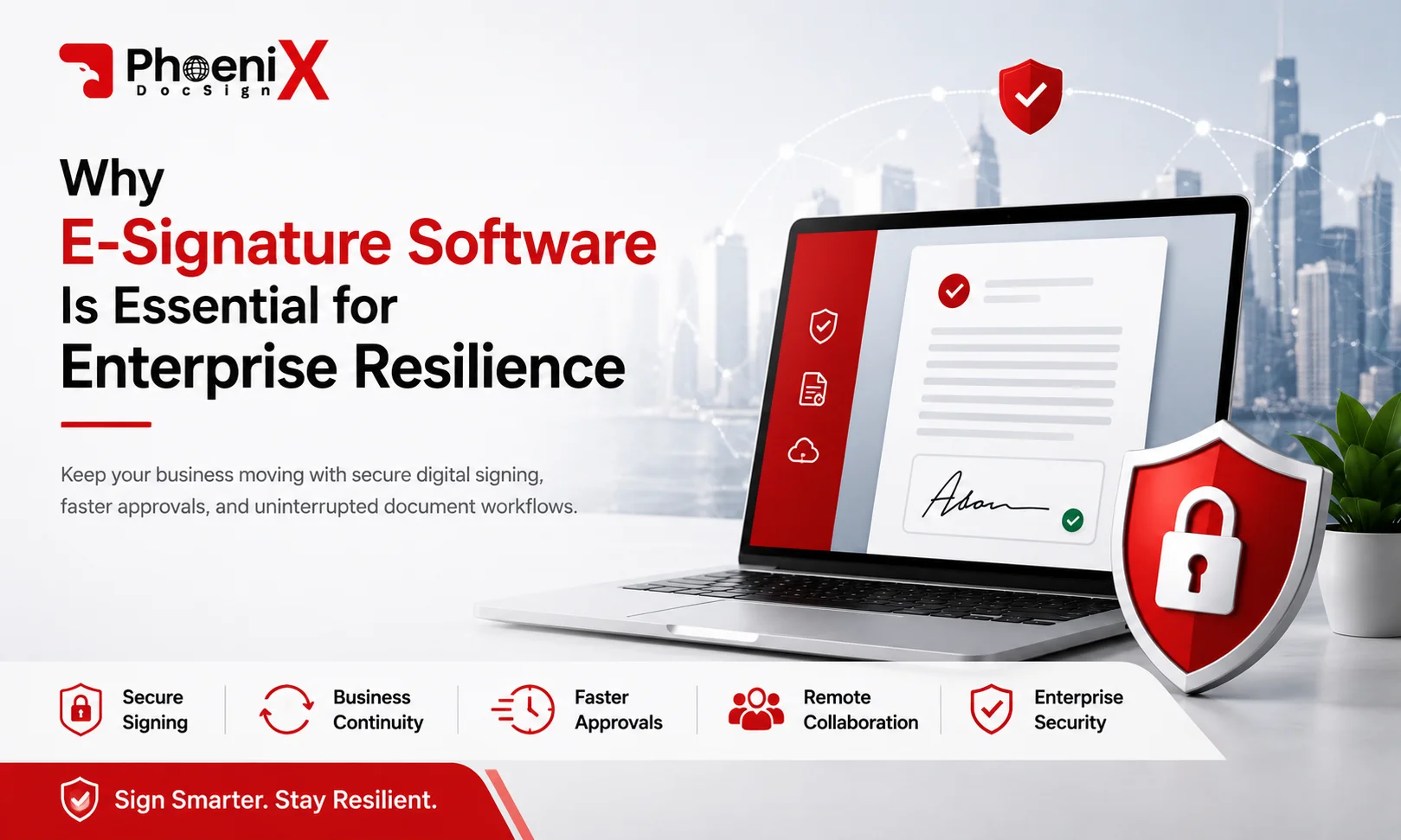
Digital transformation continues to reshape the software industry, and digital signatures have become a foundational component of modern business processes. Organizations that embrace digital document workflows gain significant advantages in efficiency, security, compliance, and customer satisfaction.
As competition increases and customer expectations continue to evolve, businesses are increasingly adopting an eSignature software to enable faster decision-making and seamless collaboration. These solutions help organizations streamline operations while building trust with customers and partners.
Conclusion:
The Digital signatures are no longer a convenience they are a business necessity for software companies seeking to remain competitive in a digital-first world. By accelerating approvals, enhancing security, reducing costs, supporting remote work, and improving customer experiences, digital signatures empower software businesses to operate more efficiently and scale with confidence.

.webp)

.webp)