Sign up with Google
 Sign in with Zoho

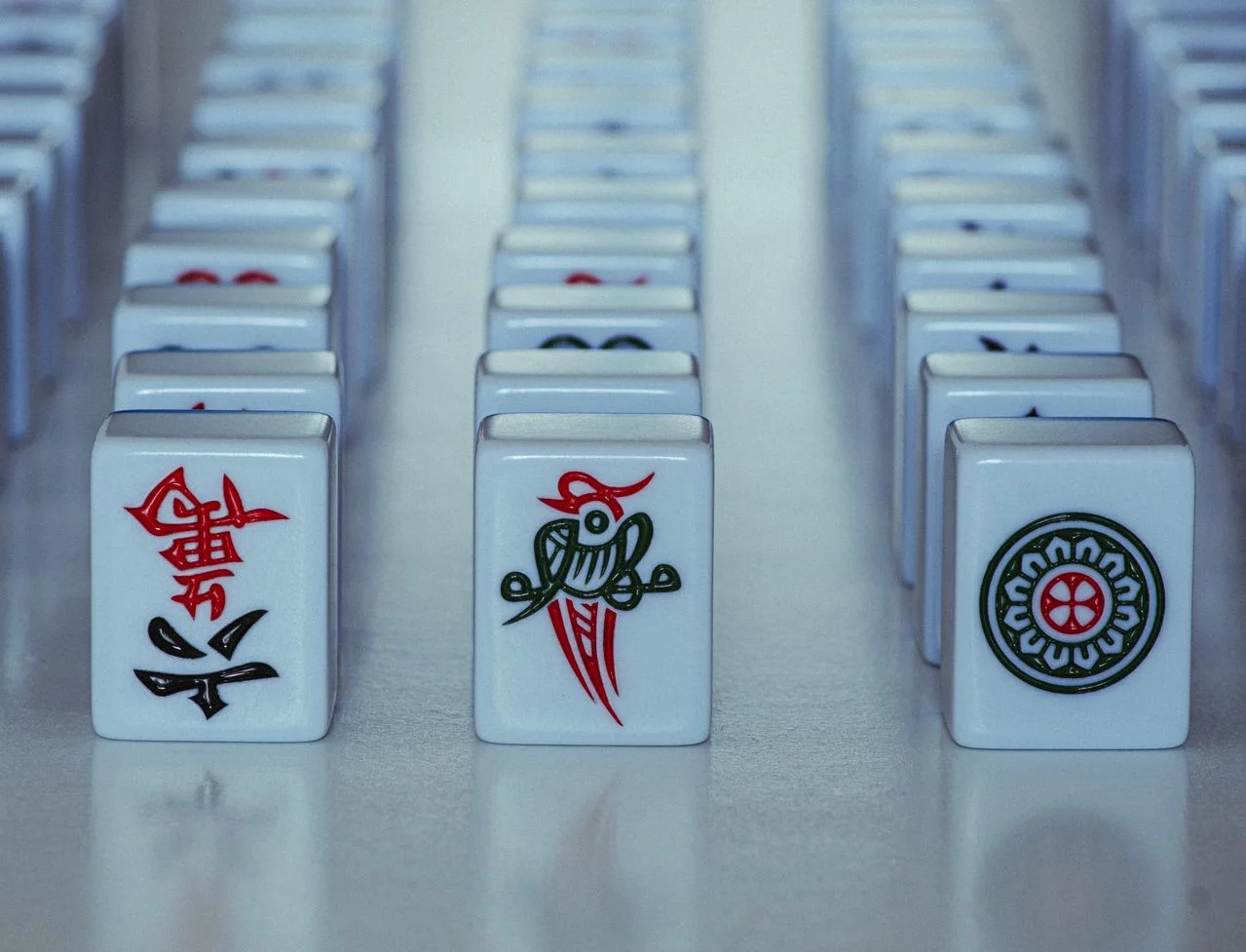
Office happy hours are starting to feel predictable. Trivia nights have been done to death. If you're looking for a team-building activity that actually gets people talking, thinking, and laughing together, it might be time to consider something a little different: Mahjong. Once seen mostly as a game for family gatherings or retirement communities, Mahjong has experienced a genuine renaissance in recent years, popping up in trendy social clubs, co-working spaces, and now, corporate offices across the country. A well-organized corporate mahjong event can do more for team cohesion than a dozen forced icebreakers ever could, and it's easier to plan than you might expect.
Why Mahjong Works So Well for Teams
Mahjong is perfectly balanced between strategy and socialization. Unlike competitions in video games or puzzle-solving activities like an escape room, Mahjong doesn’t involve any physical activity or special knowledge that only a few employees will possess. Unlike quizzes, Mahjong doesn’t pay out to those people who simply memorize all kinds of information. In fact, Mahjong demands that the participants analyze the table and predict opponents’ cards.
What’s more important, the game eliminates any hierarchy. So, a junior employee may well win against a vice-president of the company. Such a playful reversal of roles helps to form true relationships, which are very difficult to develop during artificial team-building exercises. Since each round of the game lasts no more than twenty to forty minutes, teams will be able to change the tables and communicate with colleagues whom they would never talk to otherwise.
Step 1: Decide on the Format
It is recommended first to determine the type of experience you are looking for. Typically, there are three different ways:
- Beginners workshop: A trainer explains all the rules from scratch, recommended if most of your employees have never tried the game before.
- Casual playing: The tables are prepared, and groups keep on rotating, which is good for those teams that have prior knowledge about the game or want to play for fun.
- Competitive tournament: An organized tournament with prizes for winners is a great idea if your company is big enough or if it’s an annual event of your company when competitive spirit helps.
In most cases, people prefer the hybrid form when they have a brief lesson followed by casual playing.
Step 2: Choose the Right Venue
The following are three practical choices you can consider: organizing the event internally, renting a private space in a place that offers Mahjong or a social club, or hiring a mobile mahjong instructor. In many cities, including New York, Los Angeles, Chicago, and Austin, there are many special mahjong lounges, which focus on accommodating private corporate events. Such places usually offer tables, tiles, and even an instructor to go along with the package, eliminating the need for you to take care of everything yourself.
If your office has enough open floor space, an in-house event can be more cost-effective and convenient, particularly for hybrid or remote teams who are only in the office on certain days. Just be sure you have enough table space. A standard mahjong table seats four, so plan for one table per four to five employees, accounting for rotation.
Step 3: Hire a Qualified Instructor
This is also the aspect that firms tend to underestimate the most. Mahjong has many rules and varieties that few know about. American Mahjong, Chinese Mahjong, and Riichi Japanese mahjong are all quite different. It would not be easy to confuse one of them for another during the event. Find yourself a teacher who knows how to work in the corporate setting well, because teaching a whole room of forty people is much different than teaching at a small home game table. Make sure to get references from the past corporate clients of the teachers you consider.
Step 4: Build in Structure Without Killing the Fun
For the most successful corporate events following structural features must be included:
- A 15- to 20-minute introduction of the rules, informal and visual rather than lecture-based
- Rotation of seats in each round so that the participants from various departments have a chance to interact
- Small prizes for achievements like "the best improved player" or "the best comeback player," creating a fun atmosphere
- A food and drinks corner adjacent to the tables, because of the inherently communicative nature of playing Mahjong
Step 5: Time It Right
Aim for a two-to-three-hour window. Anything shorter won't give players enough time to get comfortable with the tiles, and anything longer risks fatigue, especially for employees who are new to the game. A Thursday or Friday afternoon slot tends to work particularly well, since it caps off the work week on a relaxed note and doesn't require employees to sacrifice much personal time.
Final Thoughts
Team morale isn't built through a single flashy event; it's built through shared experiences that give people a reason to talk to each other differently than they do in a status meeting. Mahjong offers exactly that: a low-stakes, engaging, slightly addictive game that naturally sparks conversation and light competition across every level of an organization. With the right venue, a skilled instructor, and a bit of thoughtful structure, your next company outing could be the one employees are still talking about months later.