Sign up with Google
 Sign in with Zoho

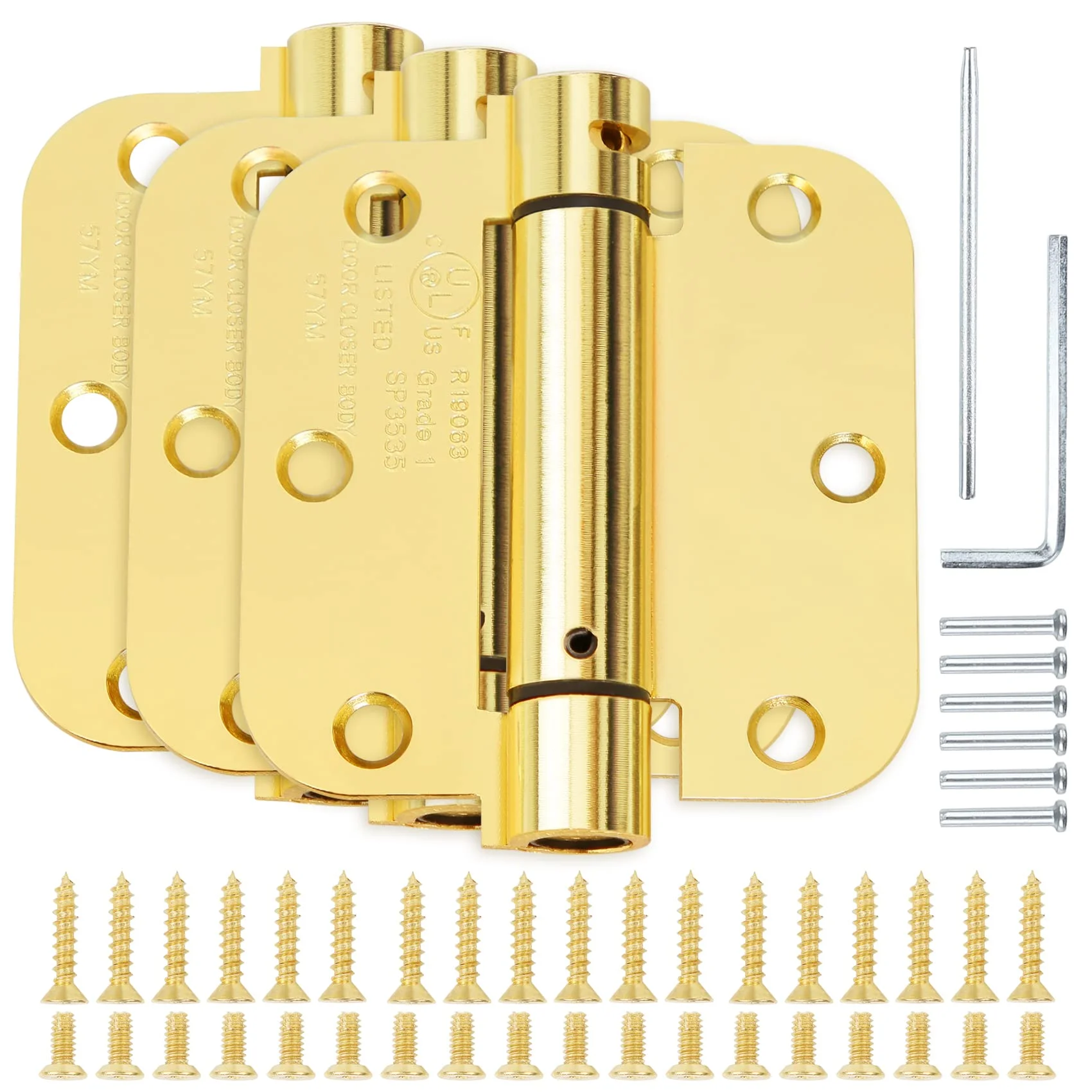
The automotive door hinges market long-term outlook is closely tied to the way vehicles themselves are changing. A door hinge may seem like a simple mechanical part, but it has an important job. It needs to support the door, allow smooth and repeated movement, maintain proper alignment, and continue working reliably despite vibration, moisture, temperature changes, and everyday wear.
As vehicle manufacturers move toward electric platforms, lighter structures, cleaner exterior designs, and more advanced door functions, hinge requirements are changing as well. Suppliers are no longer focused only on basic strength and durability. Weight, packaging, appearance, manufacturing efficiency, and compatibility with new door technologies are becoming equally important.
Electric Vehicles Are Changing Hinge Requirements
The move toward electric vehicles is influencing the design of many components that were once largely standardized. EV platforms often have different battery layouts, weight distribution, body structures, and interior configurations. These changes can affect the space available for door hardware and the way hinges are mounted.
Weight is another important consideration. Every component contributes to the overall vehicle mass, and manufacturers are looking for practical ways to reduce unnecessary weight. Lightweight hinges can therefore support wider efforts to improve vehicle efficiency.
At the same time, suppliers cannot simply remove material to reduce weight. Hinges still need to handle the door's load and withstand thousands of operating cycles. Finding that balance between low weight and dependable performance will remain a major engineering focus.
Light weighting Will Continue to Shape Product Development
Vehicle light weighting is not a temporary design priority. Automakers are under continued pressure to improve efficiency while maintaining safety and driving performance, making weight reduction relevant across different vehicle types.
For hinge manufacturers, this means looking closely at geometry, material selection, and production methods. High-strength steels, lightweight alloys, optimized shapes, and improved forming processes can help reduce mass without weakening the component.
Computer-based simulation also gives engineers a better understanding of how a hinge behaves under different loads. Instead of relying solely on repeated physical prototypes, designers can evaluate potential weak points earlier and refine the structure before production tooling is finalized.
Advanced Door Features Are Raising the Bar
Vehicle doors are becoming more sophisticated. Features such as powered opening and closing, soft-close mechanisms, hands-free access, and electronically controlled locking are becoming more common in modern vehicle designs.
These features place additional importance on smooth and predictable hinge movement. A hinge has to work properly as part of the complete door system, alongside actuators, latches, sensors, and electronic controls.
This is gradually changing how suppliers approach product development. Rather than treating the hinge as a standalone component, manufacturers increasingly need to consider the entire door assembly. That can create opportunities for suppliers with broader mechanical and systems-engineering capabilities.
Concealed Hinges Give Designers More Freedom
Exterior styling is another factor influencing future hinge development. Automakers are increasingly looking for clean body surfaces and streamlined designs, particularly for premium and technology-focused vehicles.
Concealed hinges can help achieve this appearance by keeping the mechanism out of sight. They can also give designers greater flexibility when shaping the exterior of the vehicle.
There are trade-offs, however. Hidden hinges often have to operate within tighter spaces and can require more precise positioning. Installation, adjustment, service access, and long-term durability all need to be considered carefully. As these designs become more sophisticated, precision engineering will become even more important.
Digital Tools Are Changing the Development Process
The development of automotive hinges is also becoming more digital. Engineers can create detailed virtual models and examine how a hinge responds to different loads, movements, and operating conditions.
Digital simulation can be useful for studying fatigue, deformation, door movement, interference, and other potential issues before physical testing begins. This can save time during development and make it easier to modify a design when vehicle requirements change.
For suppliers working with multiple automakers or vehicle platforms, this flexibility can be particularly valuable. A strong digital engineering process allows teams to make design changes quickly while maintaining close control over performance requirements.
Automation Will Strengthen Manufacturing Capabilities
Producing hinges in large volumes requires consistent quality. Even relatively small dimensional variations can affect door alignment, closing effort, sealing, noise, and the overall feel of the vehicle.
Manufacturers are therefore making greater use of automated stamping, machining, robotic handling, assembly equipment, and inspection systems. Automated inspection can identify dimensional or surface problems before defective components move further through production.
The next stage of manufacturing will likely focus on combining automation with flexibility. Suppliers need efficient production, but they also need to handle different hinge configurations for multiple vehicle programs without creating excessive manufacturing complexity.
Durability Will Remain a Basic Requirement
Even as hinge technology becomes more advanced, durability will never lose its importance. A hinge needs to perform reliably throughout the vehicle's service life, often under conditions that are far from ideal.
Moisture, dust, road salt, temperature fluctuations, vibration, and repeated mechanical movement can all affect hinge performance. Corrosion protection and appropriate lubrication therefore remain important parts of product development.
Manufacturers are continuing to examine protective coatings, surface treatments, corrosion-resistant materials, and improved mechanical designs. A technologically advanced hinge has little value if it cannot maintain reliable operation after years of use.
Modular Hinge Designs Can Improve Flexibility
The use of common vehicle platforms is creating another opportunity for hinge suppliers. Automakers can use a shared architecture for several models while changing body dimensions, styling, or equipment levels.
Modular hinge systems can support this approach. Instead of developing an entirely new hinge for every vehicle, suppliers can use a common design foundation and modify selected elements to meet different load, mounting, or packaging requirements.
This can reduce development effort and make production easier to manage. It also gives suppliers more opportunities to support several vehicle programs with related technologies.
Commercial Vehicles Will Need Robust Solutions
The long-term opportunity is not limited to passenger cars. Vans, buses, utility vehicles, and other commercial platforms have demanding door requirements because their doors can be opened and closed frequently and may be exposed to harsh operating conditions.
For these vehicles, durability, load capacity, corrosion resistance, and ease of maintenance can be especially important. Electric commercial vehicles add another consideration because manufacturers are also looking for ways to reduce vehicle weight and improve operating efficiency.
This combination of durability and weight reduction can encourage further development of stronger, more efficient hinge structures.
Sustainability Will Influence Future Choices
Sustainability is gradually becoming part of component-level decision-making across the automotive industry. Hinge manufacturers are facing greater pressure to use materials efficiently, reduce production waste, and improve the environmental performance of manufacturing processes.
Long-lasting components can contribute to sustainability by reducing the need for replacement parts. Material optimization can reduce scrap, while more efficient production equipment can help lower energy consumption.
Material recyclability and responsible sourcing may also become more important as automakers look at the environmental impact of their vehicles across the entire lifecycle.
Engineering Expertise Will Define Competition
The automotive door hinges market long-term outlook points toward a competitive environment where technical capabilities will matter as much as production scale and cost.
Suppliers will need to understand changing vehicle architectures, respond quickly to design requirements, and maintain consistent quality at production volumes. Early collaboration with automakers can be especially valuable because hinge placement and geometry are closely connected to door structure, body design, sealing, and assembly.
Companies that can combine material expertise, digital engineering, manufacturing efficiency, testing capabilities, and flexible product platforms will be in a stronger position to respond to changing customer requirements.
Looking Ahead
The future of automotive door hinges will be shaped by the broader transformation taking place across the vehicle industry. Electric vehicles are introducing new packaging and weight considerations, while advanced door functions are making hinge performance more closely connected to the rest of the door system.
At the same time, concealed designs are giving vehicle designers more freedom, digital tools are shortening development cycles, and automated manufacturing is improving production consistency. Sustainability and supply-chain resilience will add another layer to product and manufacturing decisions.
Although door hinges remain relatively small components, their engineering requirements are becoming more demanding. The strongest long-term opportunities will likely favor manufacturers that can deliver hinges that are lighter, stronger, durable, precise, adaptable, and cost-effective.
As vehicle architectures continue to evolve, the humble door hinge will quietly become a more carefully engineered part of the modern automobile—supporting new designs and technologies while continuing to perform one of the industry's most basic but essential functions.