Sign up with Google
 Sign in with Zoho

Introduction
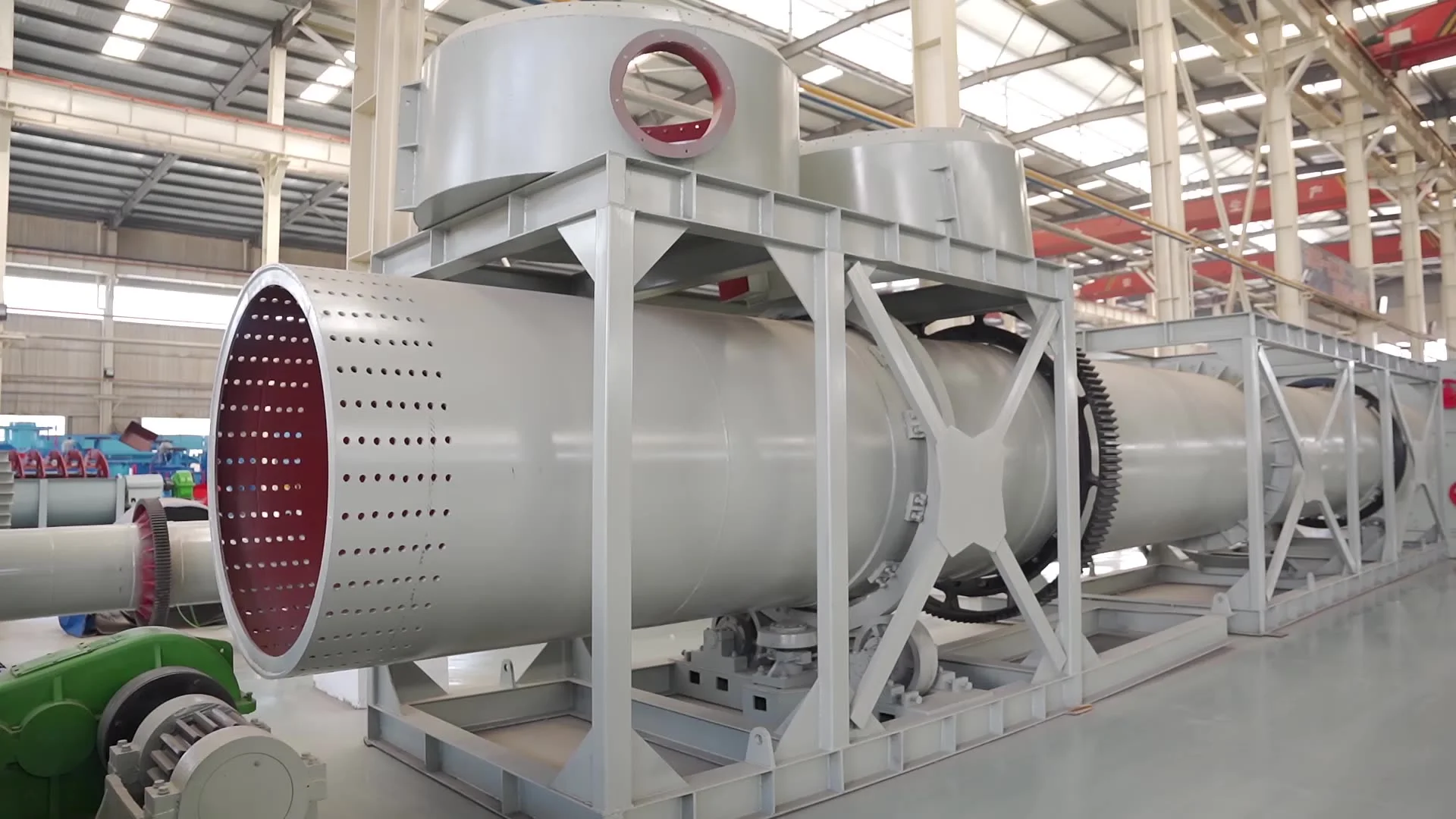
Rotary dryers play an important role in industries that need to remove moisture from large quantities of material. Mining, agriculture, chemicals, fertilizers, biomass, food processing, and construction-material production all use drying systems as part of their manufacturing processes.
Despite their versatility, adopting or upgrading rotary drying equipment is not always straightforward. Companies have to consider equipment costs, energy consumption, maintenance, installation requirements, environmental obligations, and the availability of skilled personnel.
The rotary dryers market barriers are therefore closely connected with the practical realities of running large industrial operations. For manufacturers, overcoming these challenges is becoming just as important as improving drying performance.
High Upfront Investment
The initial cost of a rotary drying system can be difficult for some businesses to manage.
A complete installation usually involves much more than the dryer itself. Burners, motors, feeding systems, exhaust equipment, dust collectors, controls, sensors, and supporting infrastructure may all be required.
Installation and commissioning can further increase the project budget.
For smaller manufacturers or companies operating under tight capital constraints, these expenses can delay equipment upgrades. Some businesses may continue using older dryers for longer than planned simply to avoid a major capital investment.
Energy Consumption Remains a Concern
Drying is naturally energy-intensive because large amounts of moisture must be removed from materials.
The situation becomes more challenging when the incoming material has high or inconsistent moisture content. Fuel or electricity consumption can rise quickly, affecting production costs.
Older dryers may also lose efficiency because of outdated burners, inadequate insulation, inefficient airflow, or aging components.
Energy-efficient technologies can help, but installing new burners, heat-recovery systems, advanced controls, or upgraded insulation requires additional investment.
For many operators, finding the right balance between upfront spending and long-term energy savings remains a major decision.
Choosing the Right Dryer Can Be Complicated
Not every material behaves the same way during drying.
Moisture content, particle size, density, temperature sensitivity, abrasiveness, and desired final moisture levels can all influence dryer performance.
A system designed without properly understanding these characteristics may produce uneven results or consume more energy than necessary.
This makes equipment selection an important engineering exercise rather than a simple purchasing decision.
Companies may need testing, process evaluation, and technical consultation before choosing the right configuration.
Maintenance Can Affect Operating Costs
Rotary dryers are built for demanding environments, but continuous operation naturally creates wear.
Bearings, seals, gears, motors, flights, burners, and other components require regular inspection and maintenance.
The challenge can be greater when dryers handle abrasive materials such as minerals or certain industrial residues.
Unexpected component failures can interrupt production and create additional repair costs.
For facilities operating around the clock, even a short unplanned shutdown can affect production schedules and customer deliveries.
Manufacturers are therefore under increasing pressure to improve equipment reliability and make maintenance easier.
Shortage of Skilled Technicians
Modern drying systems are becoming more sophisticated.
Operators may need to work with automated controls, sensors, digital monitoring platforms, burners, variable-speed drives, and equipment-management software.
Maintenance teams also need a combination of mechanical, electrical, and process knowledge.
In regions where experienced industrial technicians are difficult to find, maintaining advanced equipment can become challenging.
Training programs, remote technical support, clear operating instructions, and service agreements can help businesses manage this problem.
Installation Is Not Always Simple
Installing a large rotary dryer can involve considerable preparation.
The facility may require foundations, material-handling connections, electrical infrastructure, fuel lines, ductwork, exhaust systems, and dust-control equipment.
Space can also be a problem, particularly in older plants.
Integrating a new dryer into an existing production line may require changes to conveyors, feeders, storage systems, and plant controls.
These additional requirements can extend project schedules and increase the overall cost of modernization.
Environmental Requirements Add Complexity
Environmental performance has become an increasingly important consideration for industrial operators.
Depending on the material and fuel used, drying operations can produce dust, particulate emissions, and combustion-related pollutants.
Facilities may need filtration, dust-collection equipment, exhaust-treatment systems, and monitoring technologies.
These systems can improve environmental performance but also add to capital and maintenance expenses.
Manufacturers that can combine efficient drying with effective emission and dust-management solutions may have an advantage when serving environmentally regulated facilities.
Inconsistent Feed Materials
Material variability can make drying more difficult.
Moisture levels may change from one production batch to another. Particle size, density, and composition can also vary.
When these conditions change significantly, a dryer operating at fixed settings may not deliver consistent results.
Operators may need to adjust temperature, airflow, drum speed, or feed rate.
Advanced sensors and automated controls can make these adjustments easier, but they introduce additional equipment and technical requirements.
Supply-Chain Uncertainty
Rotary dryers depend on numerous components, including steel structures, motors, bearings, gearboxes, burners, sensors, drives, and control equipment.
Delays in any critical component can affect production schedules.
Transportation problems and fluctuations in raw-material availability can further complicate procurement.
Manufacturers are responding by developing multiple supplier relationships, maintaining inventories of important components, and increasing regional sourcing where practical.
However, supply-chain resilience remains an ongoing challenge.
Limited Space in Older Plants
Existing facilities may not have been designed for modern drying technology.
Older plants can have restricted floor space, low ceiling heights, limited access for heavy equipment, or insufficient room for upgraded exhaust and dust-collection systems.
Structural modifications may therefore be necessary before a new dryer can be installed.
In some cases, the cost of modifying the facility can make replacement less attractive than upgrading the existing system.
Competition From Alternative Drying Technologies
Rotary dryers are not the only option available to industrial users.
Depending on the material and process, companies may consider fluidized-bed, flash, belt, spray, vacuum, or other drying technologies.
Each technology offers different advantages in areas such as energy use, footprint, throughput, product handling, and temperature control.
Rotary dryer manufacturers must therefore demonstrate clear value for specific applications.
Reliable performance, flexible configurations, durability, and competitive lifecycle costs can help maintain their position against alternative technologies.
Digital Integration Challenges
Digitalization offers significant benefits, but it can also create implementation difficulties.
Sensors, automated controls, monitoring platforms, and plant-management systems must communicate effectively.
Older facilities may use legacy control systems that are difficult to integrate with newer technologies.
Companies may also require additional cybersecurity and data-management measures as equipment becomes connected to industrial networks.
Successful digital integration therefore requires both suitable technology and technical expertise.
Financing and Economic Uncertainty
Large industrial equipment purchases are strongly influenced by economic conditions.
Interest rates, commodity prices, production demand, construction costs, and expected project returns can affect investment decisions.
When economic conditions are uncertain, companies may postpone major equipment purchases.
This can slow modernization projects even when existing dryers are inefficient.
Flexible purchasing arrangements, retrofit options, and clear demonstrations of potential operating savings can help reduce investment hesitation.
Lifecycle Costs Matter
The purchase price does not tell the whole story.
Companies also need to consider energy consumption, spare parts, maintenance, labor, downtime, and eventual replacement costs.
A cheaper dryer may become more expensive over time if it consumes excessive energy or requires frequent repairs.
Conversely, a higher-quality system may justify a larger initial investment if it provides better efficiency and reliability.
This is why total cost of ownership is becoming an increasingly important part of industrial equipment decisions.
How Manufacturers Can Address These Barriers
Manufacturers can make rotary drying systems easier to adopt by focusing on practical customer needs.
Energy-efficient designs, modular configurations, simplified maintenance, remote monitoring, operator training, and readily available spare parts can reduce operational difficulties.
Retrofit packages can also allow customers to modernize important components without replacing an entire dryer.
Application-specific engineering is another valuable approach because it helps ensure that the equipment matches the material, production volume, and operating environment.
The rotary dryers market barriers are rooted in the economic and operational challenges faced by industrial users.
High investment requirements, energy consumption, maintenance demands, installation complexity, environmental expectations, workforce shortages, and supply-chain uncertainty can all influence equipment purchasing decisions.
However, these challenges are also encouraging innovation. Manufacturers are developing more energy-efficient dryers, smarter controls, predictive maintenance capabilities, modular systems, and customized solutions.
The strongest opportunities are likely to come from equipment that delivers practical value throughout its operating life rather than focusing only on initial performance.
As industrial companies place greater emphasis on efficiency, reliability, sustainability, and cost control, manufacturers that can simplify installation, reduce energy use, improve durability, and provide dependable technical support will be better equipped to overcome the barriers affecting the rotary dryers industry.
Written as -https://www.pristinemarketinsights.com/rotary-dryers-market-report