Sign up with Google
 Sign in with Zoho

Introduction
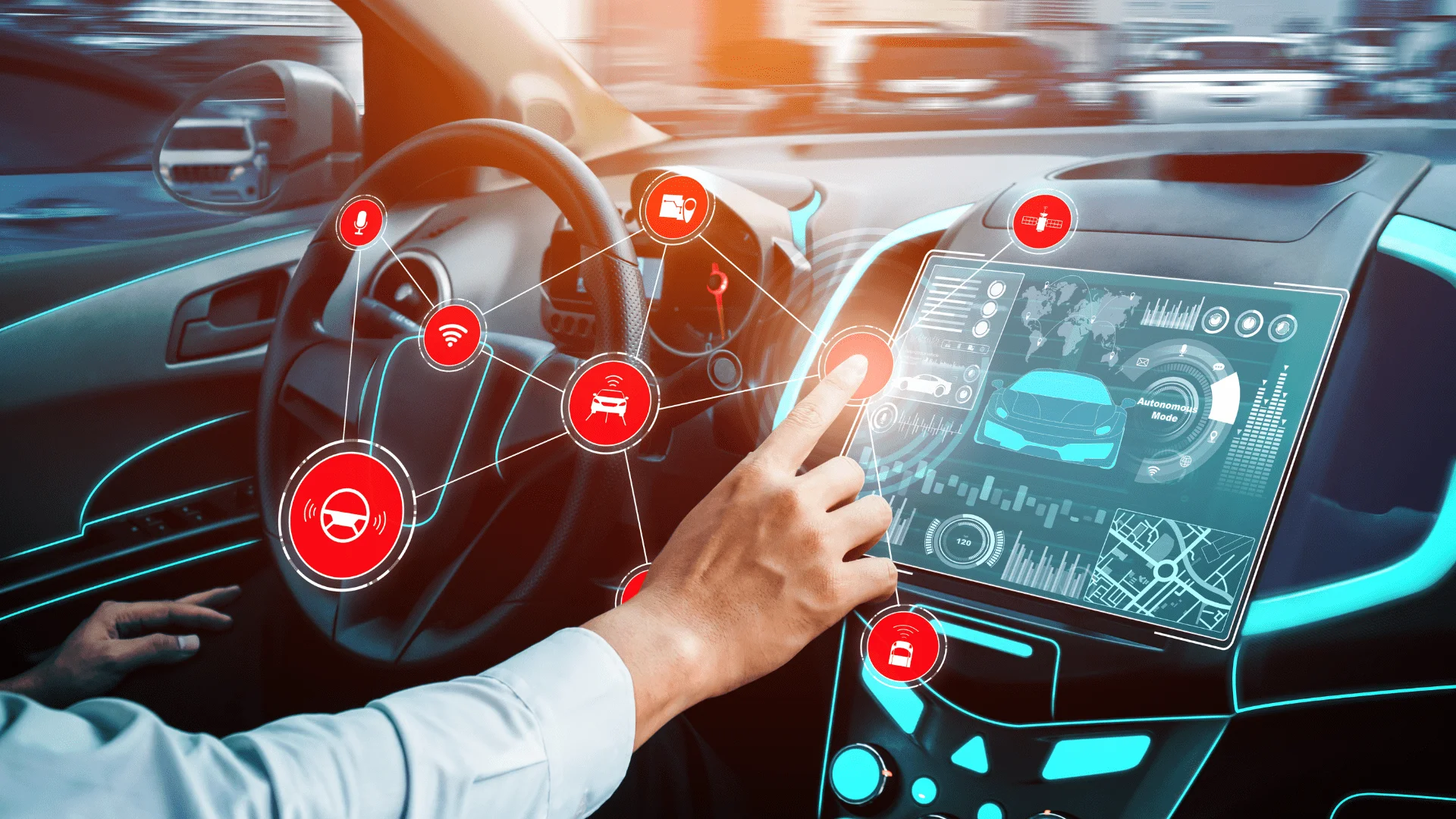
The automotive experience is becoming increasingly digital, but the transition toward smarter infotainment systems is not without obstacles. Modern drivers expect intuitive interfaces, seamless smartphone integration, voice controls, navigation, entertainment, and continuous software improvements. Meeting these expectations requires significant investment in technology, infrastructure, software development, and cybersecurity.
The auto infotainment market barriers affecting industry development extend beyond the cost of installing advanced screens and processors. Manufacturers must address software complexity, fragmented technology ecosystems, connectivity limitations, data privacy concerns, user safety, and rapidly changing consumer expectations. These challenges can influence development timelines, vehicle pricing, system reliability, and adoption.
High Development and Integration Costs
One of the most visible barriers is the expense associated with developing advanced infotainment platforms. Modern systems can involve high-resolution displays, powerful processors, connectivity modules, operating systems, artificial intelligence, audio technologies, navigation platforms, and cybersecurity solutions.
Integrating these components into a reliable vehicle environment requires specialized engineering capabilities. Manufacturers must also conduct extensive testing to ensure that software and hardware operate consistently across different vehicle models and configurations.
For mass-market vehicles, controlling these costs can be particularly difficult. Adding advanced infotainment features may increase vehicle prices, potentially limiting adoption among cost-sensitive consumers.
Increasing Software Complexity
Infotainment systems are becoming software-intensive, creating another major challenge. A single platform may need to support navigation, media, voice interaction, smartphone connectivity, vehicle information, applications, cloud services, and personalization.
Each additional function increases the number of interactions that developers must manage. Compatibility problems between software modules can lead to crashes, slow performance, connectivity failures, or inconsistent user experiences.
Software development also follows a faster cycle than traditional automotive engineering. Automakers accustomed to long vehicle development timelines must increasingly adapt to frequent software updates and continuous feature improvements.
Cybersecurity and Data Privacy Concerns
Greater connectivity brings greater exposure to cybersecurity risks. Infotainment systems communicate with smartphones, cloud services, applications, external networks, and sometimes other vehicle systems.
Protecting these connections requires continuous monitoring and security updates. Manufacturers must identify vulnerabilities throughout the vehicle lifecycle rather than treating cybersecurity as a one-time development requirement.
Data privacy adds another layer of complexity. Infotainment platforms can process information related to user preferences, locations, contacts, media choices, and digital behavior. Consumers may hesitate to adopt highly connected services if they are uncertain about how their information is collected, stored, or used.
Connectivity Limitations
Connected infotainment depends heavily on reliable communication networks. Features such as cloud navigation, streaming content, live traffic information, remote services, and real-time recommendations can become less effective when network coverage is poor.
This is particularly relevant when vehicles travel through rural regions, tunnels, mountainous areas, or locations with inconsistent network infrastructure.
Manufacturers therefore need to design systems that can provide essential functionality even when connectivity is interrupted. Offline navigation, locally stored content, and fallback functions can help maintain usability, but these capabilities may increase development and storage requirements.
User Interface and Driver Distraction
Adding more features does not necessarily improve the driving experience. Excessive menus, complicated controls, frequent notifications, or poorly designed touch interfaces can make infotainment systems difficult to use.
Driver distraction is therefore an important barrier to innovation. Manufacturers must ensure that digital functions remain accessible without diverting excessive attention from the road.
This creates a design challenge: infotainment platforms must provide sophisticated capabilities while keeping interactions simple. Voice controls, steering-wheel controls, intuitive menus, and carefully structured interfaces can help address this problem.
Fragmented Technology Ecosystems
The automotive infotainment environment includes numerous operating systems, communication standards, smartphones, applications, hardware platforms, and cloud services.
Ensuring compatibility across this fragmented ecosystem can be difficult. A feature that performs correctly on one device or operating environment may behave differently on another.
Automakers must decide how much control they want over the software experience while determining which external platforms should be integrated. Excessive dependence on third-party technology can reduce control, while building every capability internally can increase costs and development time.
Rapid Technology Obsolescence
Consumer technology evolves quickly, creating a difficult situation for automakers. A smartphone or consumer electronics product may be replaced within a few years, while vehicles are expected to remain useful for much longer.
An infotainment system that appears advanced when a vehicle launches can potentially feel outdated later if its hardware cannot support newer applications or software capabilities.
Over-the-air updates can extend the useful life of software, but hardware limitations cannot always be solved through software. Manufacturers therefore need to anticipate future technology requirements when selecting processors, displays, memory, connectivity components, and system architectures.
Subscription Resistance and Consumer Expectations
Software-based revenue models are creating new opportunities, but they can also introduce adoption barriers. Consumers may be reluctant to pay recurring fees for infotainment features they previously expected to receive as part of a vehicle purchase.
If subscription services are poorly positioned or offer limited value, they can negatively influence customer satisfaction.
Manufacturers need to demonstrate tangible benefits through premium navigation, enhanced connectivity, personalized services, entertainment, or productivity features. Transparent pricing and clear differentiation between standard and premium functions will be increasingly important.
Supply Chain and Component Constraints
Advanced infotainment systems depend on displays, semiconductors, memory components, communication modules, sensors, and other specialized hardware.
Disruptions in component availability can affect vehicle production schedules and technology deployment. Semiconductor shortages, logistics disruptions, changing supplier relationships, and increasing demand for advanced computing components can create additional uncertainty.
Automakers may respond by diversifying suppliers, standardizing components, and designing platforms that can accommodate alternative hardware where practical.
Lack of Skilled Software Expertise
The transition toward software-defined vehicles requires capabilities that traditionally were not central to automotive manufacturing. Companies increasingly need specialists in artificial intelligence, cybersecurity, cloud computing, user-interface design, operating systems, data engineering, and connected services.
Competition for these professionals extends beyond the automotive industry because technology companies also require similar skills.
Building internal expertise can take considerable time, while partnerships and acquisitions may provide faster access to specialized capabilities.
Managing the Barriers Ahead
The auto infotainment market barriers are interconnected rather than isolated. Higher system complexity increases development costs, greater connectivity increases cybersecurity requirements, and rapid technological change increases the risk of hardware becoming outdated.
Overcoming these challenges will require modular architectures, stronger software development processes, robust cybersecurity practices, flexible hardware platforms, and greater attention to user-centered design.
Manufacturers that treat infotainment as a long-term digital platform rather than a standalone vehicle component can be better positioned to manage these challenges.
Conclusion
The future of automotive infotainment depends not only on technological innovation but also on the industry's ability to overcome practical limitations. Cost pressures, software complexity, cybersecurity, connectivity gaps, fragmented ecosystems, driver-safety concerns, technology obsolescence, and consumer resistance to subscriptions can all influence market development.
As vehicles become more connected and software-driven, solving these barriers will become increasingly important. The companies that successfully combine affordability, reliability, security, usability, and continuous innovation will be better positioned to create infotainment experiences that deliver lasting value to drivers and passengers.