Sign up with Google
 Sign in with Zoho

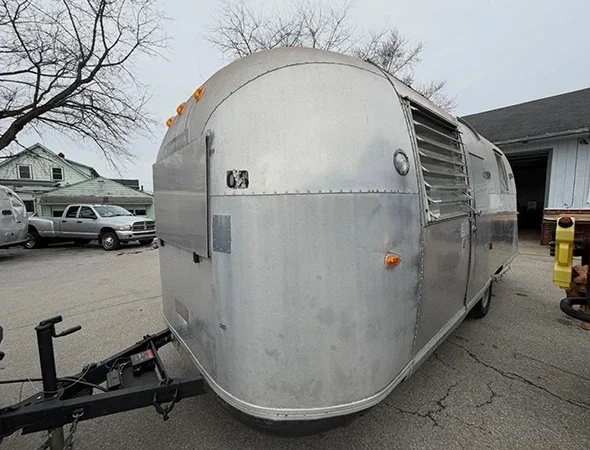
An old Airstream can sit in a field for years and still look like it wants to hit the road. That polished aluminum shell holds up better than most trailers. But looks can fool you. Underneath that shine, a lot can go wrong.
Airstream restoration is the process of bringing one of these vintage travel trailers back to safe, usable condition. It covers everything from the frame and floor to the wiring, plumbing, and interior. Across the United States, more people are buying tired old Airstreams and fixing them up rather than paying for a new one.
The appeal makes sense. A well-restored Airstream can last decades. But the work is bigger than most first-time buyers expect.
Why These Trailers Are Worth Saving
Airstreams are built differently than a standard camper. The riveted aluminum body is strong, light, and slow to rust. That is why so many survive fifty or sixty years and still turn heads at a campground.
The problem sits below the shell. The steel frame and the wood subfloor take the real punishment over time. Water gets in. Rust spreads. And once the floor goes soft, the whole structure starts to weaken.
So the value is real, but it comes with a catch. You are buying a good body attached to parts that may need serious help.
The Frame Is Where It Gets Serious
Most restoration projects start hopeful and get humbling fast. The interior looks like the biggest job. It rarely is.
Airstream frame repair is often the heart of a full restoration. When water sits in the belly of the trailer for years, it rusts the outrigger supports and the main rails. Left alone, that rust can turn a driveable trailer into a safety risk.
Fixing a frame is not a weekend task. It usually means separating the shell from the chassis, cutting out rusted steel, and welding in new metal. Done right, it can add decades to the trailer's life. Done poorly, it hides problems that show up later at highway speed.
Here is the honest part. Not every old Airstream is worth this level of work. A frame that is only lightly rusted is a fair project. A frame that has rotted through in several places may cost more to repair than the trailer is worth.
The Floor and the Belly
Once the frame is sound, the subfloor comes next. The floor sits directly on the frame and ties into the aluminum shell. If it is rotted, it cannot be patched with confidence.
Most restorers replace the entire floor rather than guess which sections are still good. It is more work upfront, but it removes the doubt. A solid floor also gives the walls something firm to attach to again.
The belly pan, the metal skin under the trailer, protects everything above it. Restorers usually add fresh insulation and reseal this layer to keep water out for the next round of years.
What a Restoration Actually Improves
A finished restoration is more than a fresh look. The real gains happen where you cannot see them.
A repaired frame and new floor give you a trailer you can tow without worry. Updated wiring lowers fire risk and lets you run modern appliances. New plumbing and seals keep leaks from starting the whole cycle over again.
Many owners also modernize the inside during the process. They swap old fixtures for efficient ones, add better insulation, and rethink the layout for how people actually travel now. The shell stays classic. The systems catch up to the present.
So the key is this. You are not just restoring a look. You are rebuilding the parts that make the trailer safe and useful.
Real Projects Rarely Go As Planned
Picture a buyer who finds a 1972 Airstream for a low price. The ad says it "just needs cleaning." They tow it home, pull up the carpet, and find soft floor near the door. That soft spot usually means water. And water usually means frame trouble underneath.
This story repeats across the United States every season. The trailer that looked like a bargain becomes a full rebuild. It is not a scam, just the nature of old aluminum trailers.
That is why many owners in the United States turn to shops that handle structural work rather than tackling frame welding alone. Facilities such as Hudson Automotive Repair & Service are among the places people look to when a project moves past cosmetics and into steel and welding.
The lesson is simple. Budget for surprises. The trailer will almost always ask for more than the listing promised.
Buying an Airstream to Restore
If you are shopping for a project trailer, the smartest move is to inspect the frame before anything else. Crawl under it. Look for flaking rust, sagging outriggers, and soft spots in the floor above.
A trailer with a straight, mostly solid frame is a strong candidate. One with heavy rust and a spongy floor is a much deeper commitment. Neither is wrong. You just need to know which one you are buying.
The demand for restored trailers stays healthy across the United States, so a good rebuild often holds its value. That makes a careful inspection time well spent.
Pick one trailer, get under it, and check the frame yourself before you fall in love with the interior.
FAQs
How much does an Airstream restoration cost?Costs vary widely based on condition. A light refresh may run a few thousand dollars, while a full rebuild with frame work can reach the tens of thousands. The frame and floor are usually the biggest expenses.
Is Airstream frame repair really necessary?It depends on the trailer. If the frame shows heavy rust or the floor is soft, repair is often required for safe towing. A frame in good shape may only need cleaning and rust prevention.
How long does a full restoration take?A thorough restoration can take several months to over a year, depending on the damage and how much work is done at once. Frame and floor repairs add the most time.
Are old Airstreams worth restoring?Many are, thanks to their durable aluminum bodies and strong resale demand. The deciding factor is usually the condition of the frame and floor, since those drive most of the cost.
Can you do an Airstream restoration yourself?Cosmetic and interior work is doable for many hands-on owners. Structural frame welding, however, often calls for professional equipment and experience to keep the trailer safe.