Sign up with Google
 Sign in with Zoho

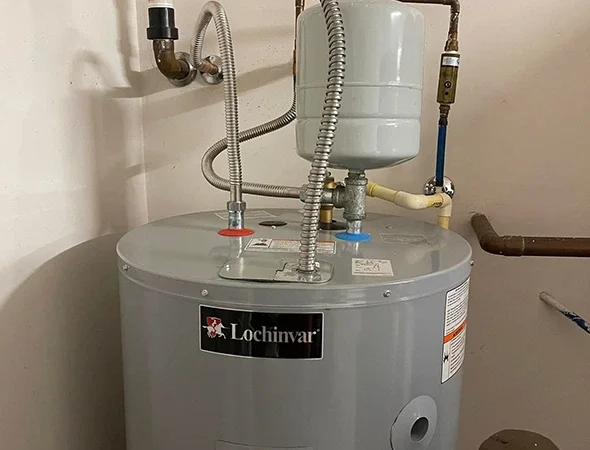
A cold shower on a hot Arizona morning is one thing. A cold shower in December is another. For many homeowners, the moment a water heater quits is the moment they realize how much they depended on it.
Understanding when a unit needs attention can save time, money, and a lot of frustration. That's why water heater repair & installation in Glendale, AZ, remains one of the most common conversations between homeowners and local plumbers.
Why Water Heaters Struggle in Arizona
The desert climate puts unusual stress on plumbing systems. Hard water is a big part of the problem. Mineral deposits build up inside the tank over time, forming a layer of sediment that forces the unit to work harder.
That extra strain shortens the lifespan of the heater. It also drives up energy bills, since a sediment-filled tank takes longer to heat the same amount of water.
Older homes tend to feel these effects first. A unit that once heated quickly may start making popping or rumbling sounds, a sign that sediment has settled at the bottom.
Common Signs Something Is Wrong
Not every problem announces itself with a flood. Sometimes the clues are subtle.
Lukewarm water, rusty discoloration, or water that never quite gets hot enough often point to trouble inside the tank. Leaks around the base are a more urgent warning and usually mean the unit is failing.
Strange noises, higher utility costs, and inconsistent temperatures are all worth paying attention to. Catching these early often makes the difference between a simple fix and a full replacement.
Repair or Replace?
Homeowners often ask whether it makes more sense to repair a unit or swap it out entirely. The answer usually comes down to age and condition.
A traditional tank heater typically lasts eight to twelve years. If a unit is near the end of that range and needs a major part, replacement is often the smarter long-term choice.
Newer models also run more efficiently. Tankless systems, for example, heat water on demand and can lower monthly costs, which appeals to many households across Glendale, AZ.
The Value of Professional Work
Water heaters involve gas lines, electrical connections, and pressurized tanks. That combination makes proper installation more than a weekend project.
A licensed plumber ensures the unit meets local codes and vents correctly. Correct sizing matters too, since a heater that's too small leaves a household short on hot water while an oversized one wastes energy.
Good installation also protects the warranty. Many manufacturers require professional setup for coverage to stay valid.
A Related Fix Worth Knowing
Water heaters aren't the only part of a plumbing system that quietly wears out. Shut-off valves matter just as much, especially when an emergency hits.
Homeowners handling Water Shut-Off Valve Replacement in Surprise, AZ, often discover the issue only when they try to turn off the water and the valve won't budge. A corroded or stiff valve can turn a small leak into major damage.
Replacing an aging valve is a modest job with a big payoff. It gives homeowners a reliable way to stop water flow the moment something goes wrong.
Real-World Situations
Picture a family hosting weekend guests when the hot water suddenly disappears. A quick inspection reveals a failed heating element rather than a total loss, and a same-day repair keeps the household running.
In another case, a homeowner notices a slow drip near the tank. Because they acted early, the fix stays small instead of turning into water damage across the garage floor.
Local companies such as Advantage Plumbing & Rooter LLC often see these situations play out, and the pattern is nearly always the same: early attention leads to easier outcomes.
Planning Ahead
The best time to think about a water heater is before it fails. Annual flushing removes sediment, and a quick check of connections and valves helps spot issues early.
For anyone weighing water heater repair & installation in Glendale, AZ, a little maintenance goes a long way. It's a small habit that keeps hot water flowing and surprises to a minimum.
Frequently Asked Questions
How long does a water heater usually last?Most tank-style units last eight to twelve years. Hard water and lack of maintenance can shorten that lifespan, so regular flushing helps.
What are the first signs a water heater is failing?Lukewarm water, rusty color, strange noises, and leaks near the base are common warnings. These often appear before a full breakdown.
Is a tankless water heater worth it?Tankless models heat water on demand and can lower energy costs over time. They cost more upfront but often last longer than tank units.
Why does a shut-off valve need replacing?Valves corrode and stiffen with age, making them hard to close. A working valve lets you stop water quickly during a leak or repair.
Should water heater installation be done professionally?Yes. It involves gas, electrical, and pressure components, and proper installation keeps the system safe, code-compliant, and warranty-protected.