Sign up with Google
 Sign in with Zoho


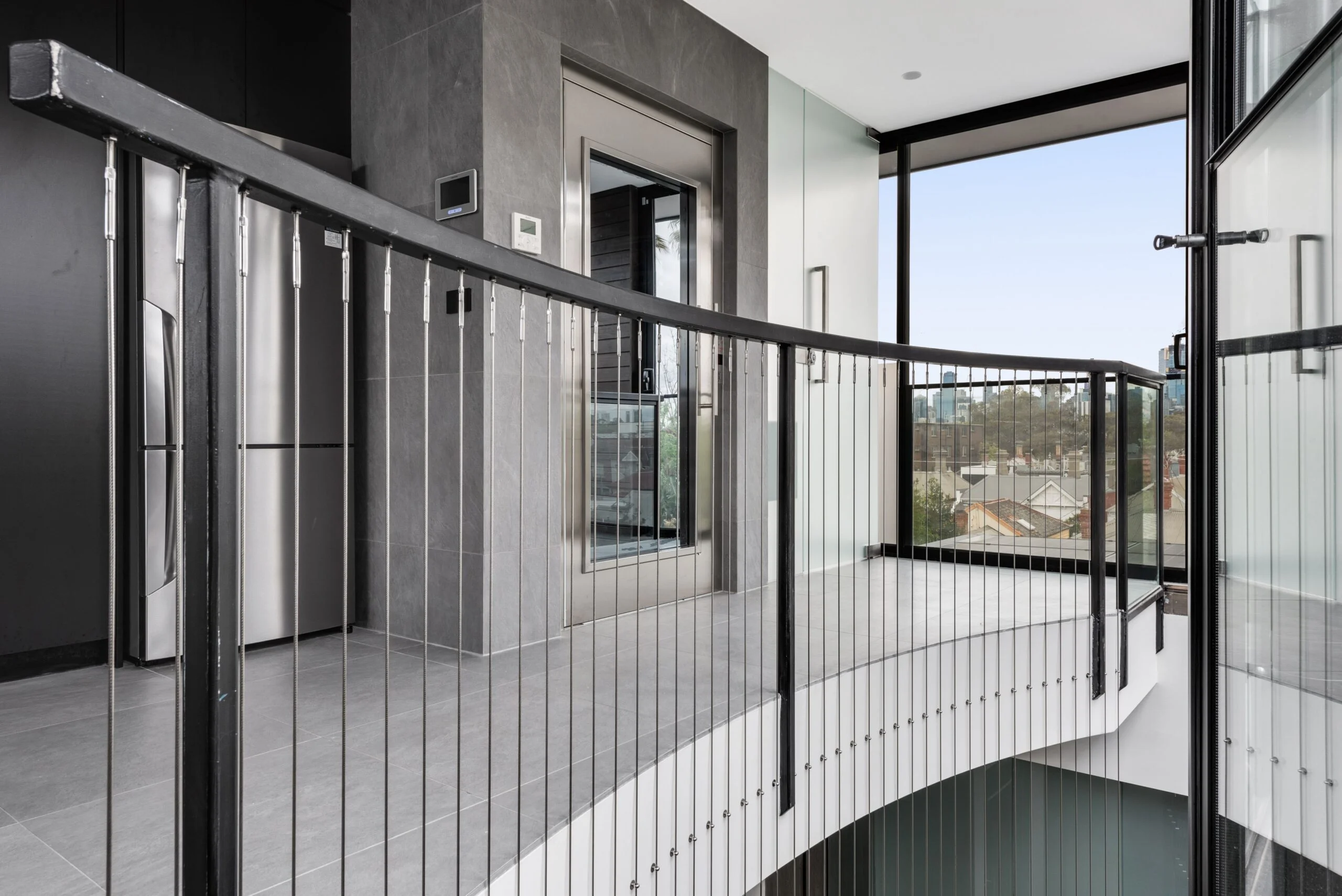
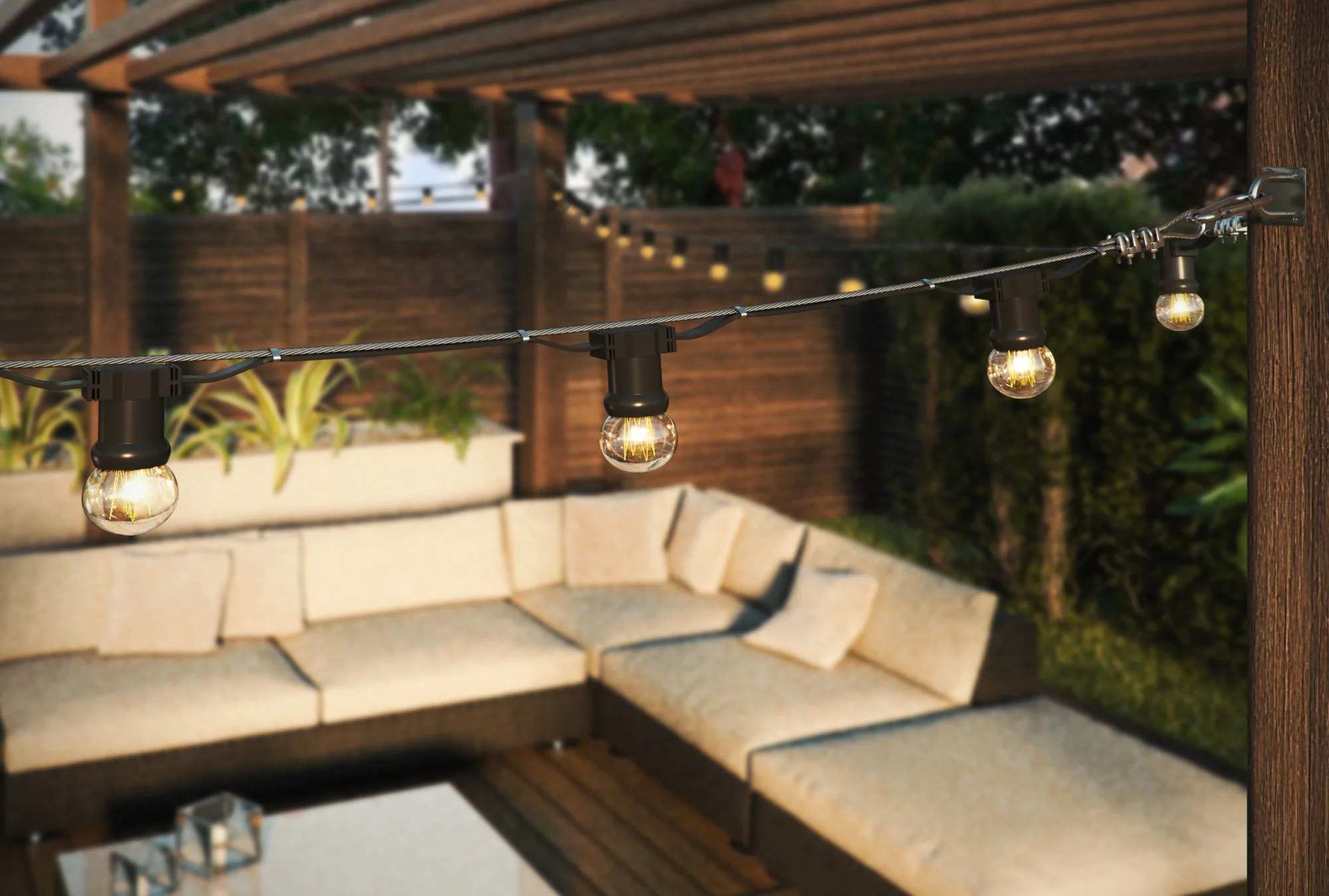
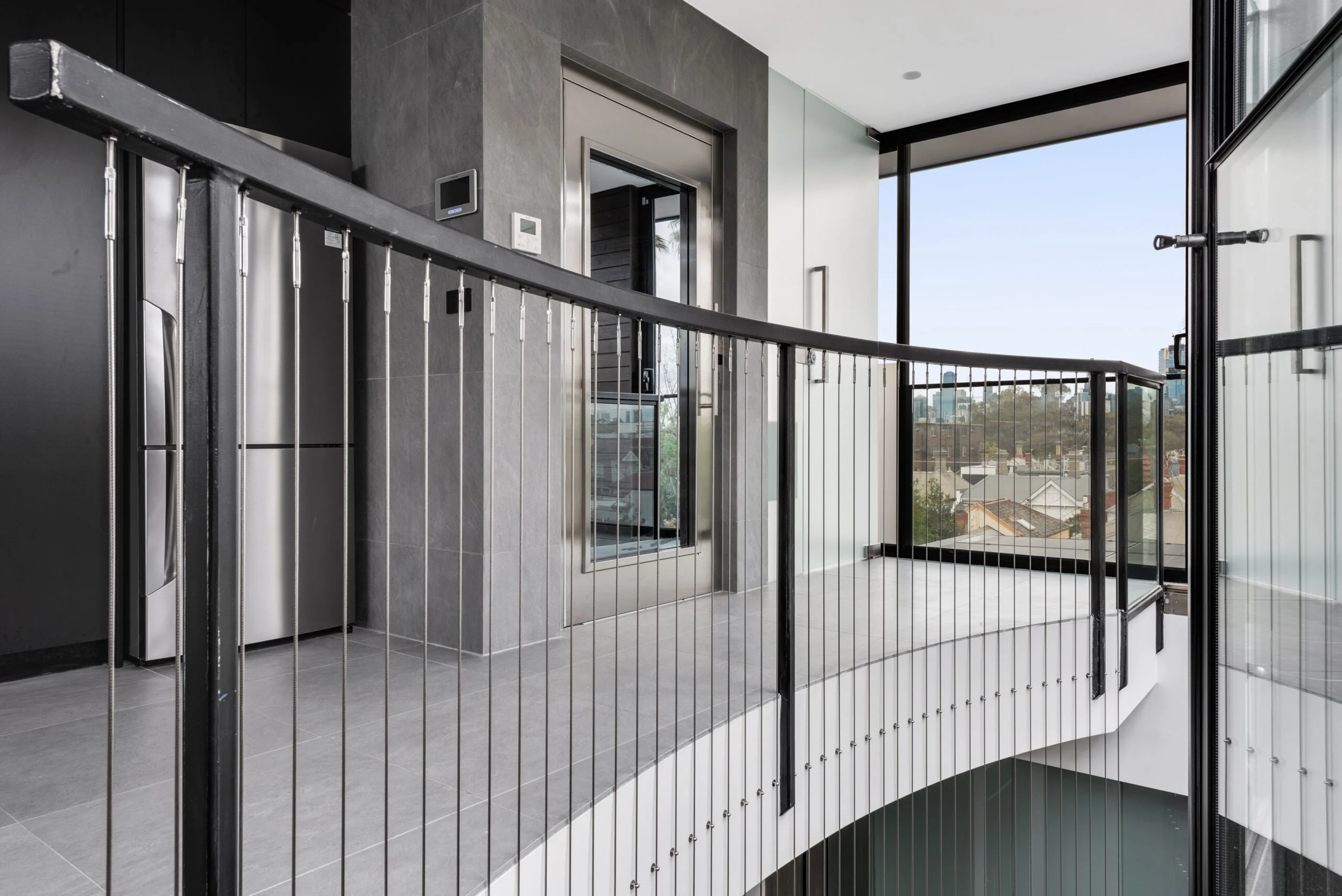
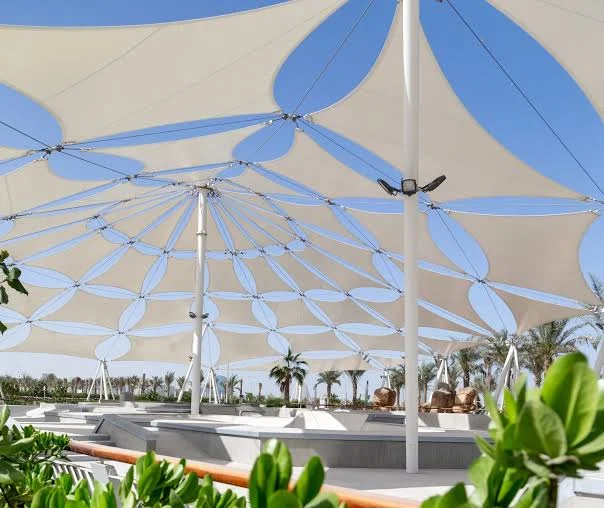
Architectural, marine, and commercial construction projects increasingly rely on tensioned cable systems to achieve structural stability, modern visual appeal, and long-term durability. High-performance stainless steel wire rope serves as the structural backbone for applications ranging from wire balustrading and shade sail structures to vertical green walls, pedestrian bridges, and marine rigging. Manufactured from high-tensile alloys, these cables offer an exceptional strength-to-weight ratio while maintaining sleek, minimalist lines that do not obstruct views or compromise building aesthetics. Selecting the appropriate wire rope specification requires a thorough understanding of alloy grades, strand constructions, load dynamics, and environmental exposure to ensure safety, structural integrity, and long operational life.
Understanding Tensile Architecture and Cable Engineering
Tensile cable architecture utilizes tensioned wire ropes to support and transfer structural loads efficiently across long spans with minimal bulk. Unlike rigid steel bars or heavy timber beams, wire rope cables distribute forces dynamically through individual wires laid into multi-strand bundles. This design yields superior flexibility, fatigue resistance, and shock-absorption capacities essential for structures subject to wind uplift, live pedestrian traffic, or thermal expansion. Marine-grade alloys specifically Grade 316 stainless steel contain molybdenum, which provides exceptional resistance to pitting and crevice corrosion caused by airborne chlorides, salt spray, and aggressive industrial pollutants. Consequently, engineering projects specified with 316-grade stainless cables maintain structural resilience and pristine surface finishes even in demanding coastal and urban settings.
Partnering with a Premier Stainless Steel Supplier
Sourcing high-grade architectural and marine hardware requires working with an established stainless steel supplier capable of offering certified materials, rigorous testing, and complete system compatibility. Partnering with an experienced specialist supplier like Miami Stainless ensures access to factory-tested ProRig AISI 316 wire ropes, swage fittings, turnbuckles, and custom post assemblies engineered to exact load tolerances. Trusted suppliers maintain extensive inventories available by the metre or in bulk reels, supported by in-house material testing facilities to verify breaking strain metrics and material purity. Furthermore, working directly with a dedicated supplier gives specifiers, structural engineers, and trade contractors access to expert technical advice, custom pre-swaging services, and rapid dispatch across Australia.
Comparative Breakdown of Wire Rope Constructions
The flexibility, breaking strength, and stretch characteristics of stainless steel wire rope are defined by its internal strand construction. Choosing the correct lay configuration ensures optimal performance for specific functional requirements.
- 1x19 Construction: Composed of 19 single wires wrapped around a central core, this non-flexible strand offers the highest breaking strength, minimal stretch, and a smooth external surface, making it the ideal choice for straight-line balustrades, shade sail perimeter cables, and structural tie-downs.
- 7x7 Construction: Featuring 7 strands with 7 wires per strand (49 wires total), this semi-flexible wire rope balances strength and maneuverability, making it highly versatile for DIY balustrading, security cables, and wire trellis systems.
- 7x19 Construction: Engineered with 7 strands of 19 wires each (133 individual wires), this highly flexible cable is designed for running rigging, pulleys, winches, and applications requiring frequent movement around sheaves.
- PVC Coated Wire Rope: Stainless steel cable enclosed in a protective UV-stabilized PVC sheath, providing extra weather protection and visual color options for playground equipment, marine lifelines, and decorative installations.
- Compacted / Dyform Wire: Specialized high-density wire rope where outer strands are compacted to create a larger metallic cross-sectional area, offering higher breaking loads and reduced drum wear for heavy industrial winching.
Structural Performance and Load Capabilities for Projects
Determining the appropriate wire rope diameter and specification involves precise calculation of working load limits (WLL), ultimate breaking loads, and structural safety factors. In architectural balustrading and barrier systems, cables must satisfy strict building code requirements regarding tension, maximum allowable deflective sag between posts, and opening gaps under lateral pressure. For dynamic shade sail structures or large-scale green wall trellises, engineers must factor in environmental forces such as high wind velocity, heavy plant mass, and thermal movement. Utilizing high-tensile 316-grade wire guarantees that tension remains consistent throughout seasonal temperature shifts without experiencing permanent stretch or material deformation.
Installation Best Practices for Marine and Building Rigging
Proper installation techniques are vital for ensuring the safety, longevity, and appearance of any tensioned wire cable system. Installers must utilize calibrated hydraulic swaging equipment or approved mechanical swageless fittings to achieve 100% of the wire's rated breaking strength at terminal connection points. Imprecisely executed crimps or hand-swaged joints can lead to slippage, cable fraying, or catastrophic tension failure under high loads. Additionally, installers should isolate stainless steel components from carbon steel tools or structures using nylon washers or non-conductive isolation bushes to prevent cross-contamination and galvanic corrosion. Routine maintenance should include washing the wire rope assemblies with fresh water and mild detergent to clear salt deposits and surface grime.
Key Hardware Components for Tensile Cable Assemblies
A complete, high-performance wire rope installation relies on specialized stainless steel fittings designed to work seamlessly together under constant tension.
- Swage Studs and Threaded Terminals: Precision-engineered fittings hydraulically pressed onto wire rope ends to provide threaded anchors for tensioning.
- Rigging Screws and Turnbuckles: Adjustable tensioners featuring internal threads that allow installers to adjust and fine-tune cable tautness during initial setup and periodic maintenance.
- Fork and Eye Terminals: Heavy-duty connection ends designed to anchor cables securely to pad eyes, post tabs, or structural bracket plates.
- Cross-Clamps and Wire Wire Clips: Multi-directional clamps used to join crossing wires in grid formations for wire trellises and architectural safety meshes.
- Thimbles and Wire Rope Grips: Protective stainless steel sleeves that prevent cable crushing and wear at loop eye connection points.
Conclusion
Stainless steel wire rope continues to set the benchmark for strength, longevity, and modern architectural aesthetics across residential, commercial, and marine applications. Selecting the correct combination of 316 marine-grade wire rope, strand construction, and precision-engineered fittings ensures your structure remains safe, taut, and visually impressive for decades. Working alongside a trusted specialist hardware supplier guarantees that every component meets rigorous structural standards and arrives backed by expert technical support. Ready to source high-grade tensile wire rope, balustrade systems, or custom rigging hardware for your next project? Explore the extensive range of products and technical resources available at Miami Stainless today or contact their expert team for a competitive quote!
Frequently Asked Questions
1. What is the difference between 304 and 316 grade stainless steel wire rope?
Grade 304 stainless steel is suitable for general indoor and dry outdoor applications. Grade 316 contains 2–3% molybdenum, providing superior corrosion resistance against salt water, coastal air, and harsh industrial environments, making 316 the preferred standard for marine and outdoor architectural projects.
2. Which wire rope construction should I choose for deck balustrading?
1x19 construction wire rope is the industry standard for straight balustrade runs because it has minimal stretch, a smooth external finish, and high rigid strength. If your balustrade design requires bending around corners or hand-swaging, a semi-flexible 7x7 construction is recommended.
3. How do I prevent stainless steel wire rope from rusting or tea staining?
While 316 stainless steel is highly corrosion-resistant, environmental contaminants can cause superficial discoloration known as "tea staining". Prevent this by using electropolished or high-finish ProRig wire, avoiding contamination from carbon steel tools, and regularly cleaning the cables with fresh water and stainless steel polish.
4. Can I cut and assemble stainless steel wire rope myself?
Yes, semi-flexible wire ropes (such as 7x7 or 7x19) can be cut with dedicated wire rope cutters and assembled using manual swageless (screw-type) fittings or hand-crimping tools. For 1x19 structural wire, hydraulic factory pre-swaging is recommended to ensure maximum holding power.
5. What wire rope diameter is recommended for residential wire balustrades?
3.2mm (1/8") Grade 316 1x19 stainless steel wire rope is the most popular and compliant size for residential deck and stair balustrading across Australia. It provides an ideal balance of high breaking strength, crisp architectural lines, and unobtrusive sightlines.