Sign up with Google
 Sign in with Zoho


If you’ve ever thought about building a house instead of buying one, you’ve probably run into the phrase construction loans pretty quickly. It pops up everywhere. Mortgage blogs. Real estate forums. Bank websites.
But here’s the thing. Most explanations make it sound way more complicated than it needs to be.
Same goes for jumbo loans. People hear the word “jumbo” and assume it’s some special loan only millionaires deal with. Not really true.
Both loan types show up when you’re dealing with expensive properties or new construction. But they serve different purposes. Knowing when each one applies can save you a lot of confusion—and possibly a lot of money.
Let’s break this down in a way that actually makes sense.
The Reality of Construction Loans
Building a home from scratch is exciting. It’s also messy.
There are architects involved. Contractors. Permits. Inspections. And money doesn’t just get handed over all at once like a traditional mortgage.
That’s where construction loans come in.
A construction loan is basically short-term financing that covers the cost of building a home. Instead of giving you one big lump sum, the lender releases money in stages. They’re called “draws.”
For example, funds may be released when:
- The foundation is poured
- The framing is completed
- Plumbing and electrical work are installed
- The house reaches final inspection
It’s a controlled process. The lender wants to make sure the project is actually progressing before sending more money.
Some people find that process annoying. Others find it reassuring. Depends on how you look at it.
But it does prevent situations where a project stalls halfway through and the money is already gone.
Why Construction Financing Is Different From Normal Mortgages
Here’s where people sometimes get surprised.
A construction loan isn’t structured like a regular home loan.
For starters, they’re usually short-term loans, often around 12 months. The goal is simple: finish building the house.
Once the home is completed, the loan typically converts into a standard mortgage or gets replaced with one.
During construction, you might only be paying interest on the money that has been drawn so far. So if only part of the loan has been used, the payment might be smaller at the beginning.
Then it grows as more construction stages are completed.
That part actually makes sense when you think about it.
You’re not paying interest on money that hasn’t been used yet.
When Jumbo Loans Enter the Picture
Now let’s talk about jumbo loans, because this is where some overlap happens.
A jumbo loan is simply a mortgage that exceeds the loan limits set for conventional financing.
In other words, it’s a loan for higher-priced homes.
In many markets, if a property price climbs beyond the standard conforming loan limits, borrowers move into jumbo territory. That’s where lenders start evaluating things a bit more carefully.
Not because jumbo loans are risky by default. But because the amounts are larger.
So lenders typically look for:
- Strong credit history
- Stable income
- Lower debt-to-income ratios
- Larger down payments
It’s basically the same process as any mortgage approval, just with slightly stricter expectations.
Where Construction Loans and Jumbo Loans Overlap
Now here’s the interesting part.
Sometimes a home build gets expensive enough that it needs both.
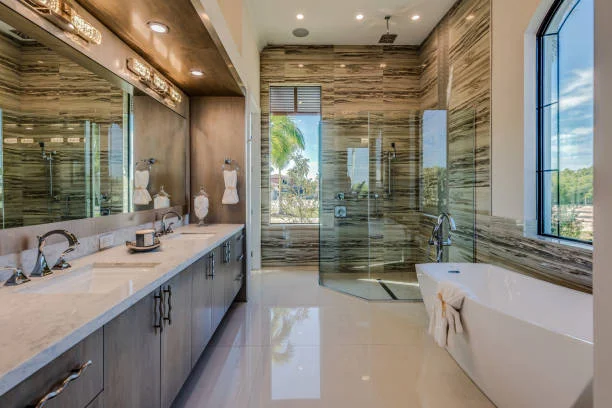
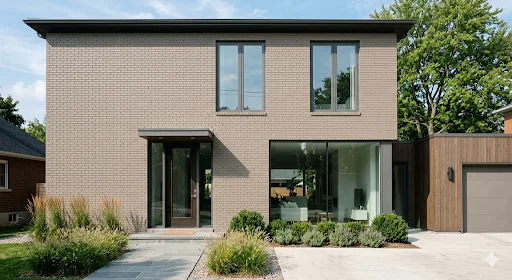
If someone is building a luxury home or a high-value custom property, the construction financing itself might be structured within jumbo loan territory.
That doesn’t mean the process changes drastically. It just means the loan amount is above standard conforming limits.
This happens more often than people think. Especially in areas where property prices have risen quickly over the past few years.
A custom build that seemed reasonable five years ago might now qualify as jumbo simply because costs went up.
Land prices. Materials. Labor. Everything climbed.
Building a Home Isn’t Always Cheaper
There’s a myth floating around online that building a house is always cheaper than buying one.
Sometimes that’s true.
Sometimes it absolutely isn’t.
Construction costs can shift fast. Lumber prices spike. Labor shortages happen. Permits get delayed. Contractors get backed up.
Suddenly a project budget looks very different than the original estimate.
This is why lenders tend to require detailed construction plans and contractor agreements before approving construction loans.
They want to see the full financial picture upfront.
It protects them, but it also protects the borrower from getting halfway through a project and running out of funding.
Because that situation…well, it gets ugly.
The Timeline Factor Most Buyers Forget
Another big difference between construction loans and traditional mortgages is timing.
Buying a finished house might take 30 to 45 days.
Building a home?
Try 9 to 12 months on average.
Sometimes longer if weather delays happen or supply chains slow things down.
During that time, financing has to support an ongoing project rather than a completed property.
That’s why construction loans exist in the first place. They bridge that gap between blueprint and finished home.
Down Payments and Financial Preparation
Let’s talk about the part people rarely enjoy discussing: the financial side.
Construction loans typically require a larger down payment compared to standard mortgages.
Why?
Because building a home carries more uncertainty than purchasing an existing one.
Lenders usually want borrowers to have solid financial footing before funding a construction project.
The same general logic applies to jumbo loans. Since loan amounts are higher, lenders often prefer borrowers to bring more equity into the deal.
That doesn’t mean these loans are impossible to qualify for. It just means preparation matters.
Strong credit. Documented income. Reasonable debt levels.
Those things make the process smoother.
The Emotional Side of Building a House
There’s another aspect that doesn’t get talked about enough.
Building a home can be emotionally exhausting.
It’s exciting, yes. But it’s also filled with decisions.
Floor plans. Cabinets. Roofing materials. Electrical layouts. Window placement.
At some point during the process, most people hit a wall where they just want the house to be finished already.
That’s normal.
And it’s part of the reason financing structure matters. Having the right loan setup helps keep the project moving without constant financial stress.
Why Loan Guidance Actually Matters
The truth is, most people don’t deal with construction loans or jumbo loans often in their lifetime.
These aren’t everyday financial products for the average borrower.
So working with a lender that understands both types of financing can make a noticeable difference.
Not just in approval chances, but in how smoothly the process moves from application to final closing.
There are a lot of small details involved—construction timelines, contractor verification, appraisal stages, draw schedules.
When those pieces are handled properly, the project tends to move forward without unnecessary headaches.
Ready to Explore Your Financing Options?
If you're planning to build a home or looking at higher-value property financing, it helps to understand the differences between construction loans and jumbo loans before starting the process.
Both financing options can support unique homeownership goals—from building a custom home to purchasing a property that exceeds traditional mortgage limits.
FAQs
What are construction loans used for?
Construction loans are short-term loans designed to finance the building of a new home. Instead of receiving the full amount upfront, funds are released in stages as construction milestones are completed.
How are jumbo loans different from regular mortgages?
Jumbo loans exceed the conforming loan limits set for traditional mortgages. Because the loan amounts are larger, lenders usually require stronger credit scores, larger down payments, and stable income.
Can a construction loan turn into a regular mortgage?
Yes, many construction loans convert into permanent financing once the home is finished. This is often called a construction-to-permanent loan.
Who typically needs jumbo loans?
Jumbo loans are often used by borrowers purchasing higher-priced homes or luxury properties where the loan amount goes beyond standard conforming limits.