Sign up with Google
 Sign in with Zoho

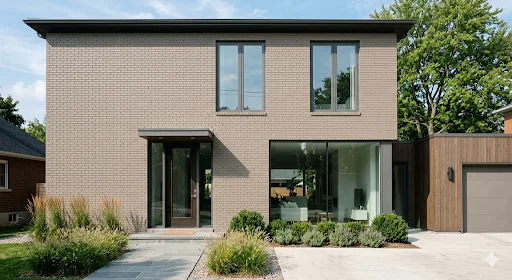
Okay, let's start simple. Masonry stain is not paint. I know a lot of folks lump them together, but that's actually where most bad decisions start. The paint sits on top the concrete or brick like a shell. eventually, the shell gets cracked or peels off. Stain however, contrary to that is absorbed into the surface. It is absorbed into the material, not an extra layer that is glued over it. This is a big distinction when dealing with something that's as porous as brick. The masonry stain gets into the brick's pores, stucco, stone, or concrete, and then reacts (or at the very least, is absorbed) within the substrate. If people are asking what caused their paint job has started to bubble after two winters that's usually the reason. Stain isn't bubbling in like paint since there isn't a film to hold in moisture.
Why Silicate Stain Is Different From Regular Paint
Now here's where it gets interesting, and honestly this is the part most guides skip over. Silicate stain isn't just another type of masonry stain, it's a whole different chemistry. Regular acrylic-based stains rely on resins that dry and form a semi-flexible coating. Silicate stain uses potassium silicate (sometimes called "waterglass," if you've ever heard that term) that chemically bonds with the minerals already in your masonry. It literally fuses at a molecular level. That means it doesn't just sit there hoping to stick around, it becomes part of the wall. This is why old European buildings, some over a century old, still show silicate-stained facades holding their color. Not many products can claim that kind of track record, honestly.
How Masonry Stain Bonds With Brick and Concrete
Let's go a bit complicated, however I'll try to keep it easy to read. When you apply a masonry stain, particularly silicate or mineral stain, it goes through a process known as silicification. This sounds like a lot of work, but it's simply the stain interacting with calcium and silica found in bricks or concrete, or stucco. It results in a slackened mineral layer that's part its substrate and isn't added on top. This is the reason silicate staining is breathable, that's more important than many believe. Vapor must move through the masonry. If it is trapped, it causes spalling, efflorescence, and all that dreadful stuff. A stain that is well-made lets the wall breathe, while offering protection and color. Paint traps moisture. Stain, done right, doesn't.

Silicate Stain vs Acrylic Coatings: What's the Real Difference
People ask me this constantly, so let's just settle it here. Acrylic coatings are cheaper upfront, sure, and they come in more colors off the shelf. But they degrade under UV exposure faster, they peel, and they trap moisture behind the film over time. Silicate stain costs a bit more initially but the lifespan difference is not small, we're talking decades versus maybe 7 to 10 years for a quality acrylic job. Also, and this one surprises people, silicate stains are naturally resistant to mold and algae growth because of their high pH. Acrylics don't have that built in, you usually need additives for that. If you're staining a historic building or something you plan to own for a long, long time, silicate wins pretty much every time.
Prepping Your Surface Before You Stain
Here's the part everyone wants to skip, and honestly, don't. Surface prep is what makes or breaks an masonry staining project there are no exceptions. The surface must be free of dirt, which means there are no dust or oils, old paint flake or efflorescence salts that are sitting on the top. Pressure washing is a great option for the majority of jobs, however you may require a chemical cleaner to remove tough stains or coatings that are old. If you have paint on the surface or coating, you might need to remove it completely because silicate stain will not bond well with a film-forming surface, it requires a porous, raw substance to soak into. Allow the surface to dry thoroughly, and any moisture that gets that is trapped beneath will cause problems with adhesion. I've seen a lot of people rush through this step due to their excitement to see the color of the wall, but it usually results in the opportunity to redo it in the space of a year or so.
Application Tips Nobody Tells You About
Applying a masonry stain isn't rocket science however, there are a few small factors that differentiate a good job from a flawless one. Temperature is a major factor and most silicate stains prefer to be applied in the range of between 41degF to 77degF. Avoid applying them in the direct sun as it can dry too quickly and may cause bleeding. Two thin coats will almost always outdo one large coat because that's the way staining that penetrates the most effectively works. Test an area of your wall that is hidden first. The hue of your wall will vary based on the porosity and content of your particular material, so what appears amazing on the sample diagram could be slightly different on the actual wall. Rollers, brushes and sprayers are all effective however sprayers provide a more uniform professional look for large surfaces, if you've got the tools.
How Long Does Masonry Stain Actually Last
It's probably the most frequent question that people are asked, which is understandable as no one would like to re-do the job every summer. Silicate stain that is of high quality that is properly applied on constructed masonry, is likely to last for a long time before it requires a new coat. Some manufacturers even claim longer lifespans on certain substrates. Compare this to the conventional acrylic paints for the masonry industry, which usually start with fading, wear or peeling in five to 10 years based on the exposure to climate. The reason behind the difference is due to the chemical bonding we talked about in the past. The stain that's actually a an element of the wall does not break off in the same way that an exterior coating can. UV rays, weather, freeze-thaw cycles have a greater impact on silicate stain than films-forming paints.

Common Mistakes People Make With Silicate Stain
I've witnessed a number of DIY projects go wrong Let me spare you a lot of grief. One mistake is applying paint or sealant over masonry, it won't be able to penetrate as well and you'll end up with uneven, inconsistent results. The second mistake is ignoring the weather conditions, rain within 24 hours after application could remove the stain that hasn't been cured before it's had time bond chemically to the surface. Three mistakes This one is a bit tricky, utilizing the incorrect tools or mixing uncompatible products. Some silicate stains are extremely reactive with certain primers or sealers not made specifically for mineral chemical reactions. The fourth mistake is simply impatience, hurrying to dry times between coats since you need to see the finished look faster. Take your time. This kind of thing rewards the patient, not speed.
Cost Considerations - Is It Worth the Investment
Let's discuss money because it's often what influences the choice either way or the other. Silicate stain is typically more expensive per gallon than normal brick paint, but it can vary more based on the manufacturer and the retailer you're purchasing from. However, when you consider the life span, the calculation is flipped quite rapidly. If you're repainting your home every seven years, instead of staining every 25 or more years and the overall cost for protection per calendar year is actually a benefit to silicate stain despite the cost of initial sticker. Consider the lower maintenance requirements as silicate staining resists mold and algae naturally and you'll be saving in cleaning costs and touch ups, too. If you're a homeowner looking to remain in the area or an owner of commercial properties who is managing the building for the long term it's one of the "spend more now, save more later" scenarios.
Choosing the Right Color and Finish
One last thing before wrapping up, choosing the color of stain for masonry works different from paint. Since stain penetrates instead of coats it, the final color may be affected by the natural color of the concrete or brick beneath. Stains that are darker, more saturated tend to provide more predictable and consistent results across different types of substrates. The softer or more translucent stain might look stunning, but exhibit more variance between wall and wall particularly on masonry that is weathered or old. Finish options are generally much more limited than paints too Silicate stains are typically available in satin or matte-like natural finishes, not the glossy sheens that you'll find in the Acrylic paint range. If consistency is important to you, speak to your supplier about consistency of the batch and make sure you do the test patch first.
Conclusion
So do you think masonry stain specifically silicate stain worth the effort? Yes it's. It's not the most affordable option that's on the market however, it requires patience in preparation and application, rather than just slapping on the paint. But if you want something that actually becomes part of your building instead of just sitting on top hoping to hold on, silicate stain is hard to beat. It breathes, it resists mold, it holds color for decades, and it ages with the building rather than against it. If you're looking at an old brick wall or concrete façade and wondering what you can do about it do not just grab the paint container because you're used to it. Do some research and prepare the surface properly and give the stain a genuine appearance. The person who will be re-painting not a thing for the next 20 or so years, is likely to be grateful to you.

FAQs
Is masonry stain the same as silicate stain?
Not exactly. Masonry stain is the broader category, silicate stain is a specific mineral-based type within it that chemically bonds to brick and concrete rather than just coating the surface.
Can I apply silicate stain over old paint?
Generally, no. Silicate stain needs to penetrate a porous, raw surface. Old paint or sealers block that reaction, so removal is usually necessary first.
How long does masonry stain take to dry?
Most silicate stains are dry to the touch within a few hours, but full curing and chemical bonding can take several days depending on temperature and humidity.
Does silicate stain fade over time?
It fades far slower than acrylic paint since it's mineral-based and resistant to UV breakdown, though some gradual weathering is normal over decades.
Is silicate stain more expensive than regular masonry paint?
Upfront, yes, usually. But given its lifespan of 25-plus years versus 7 to 10 for paint, it often costs less per year of protection.