
 Sign up with Google
 Sign in with Zoho

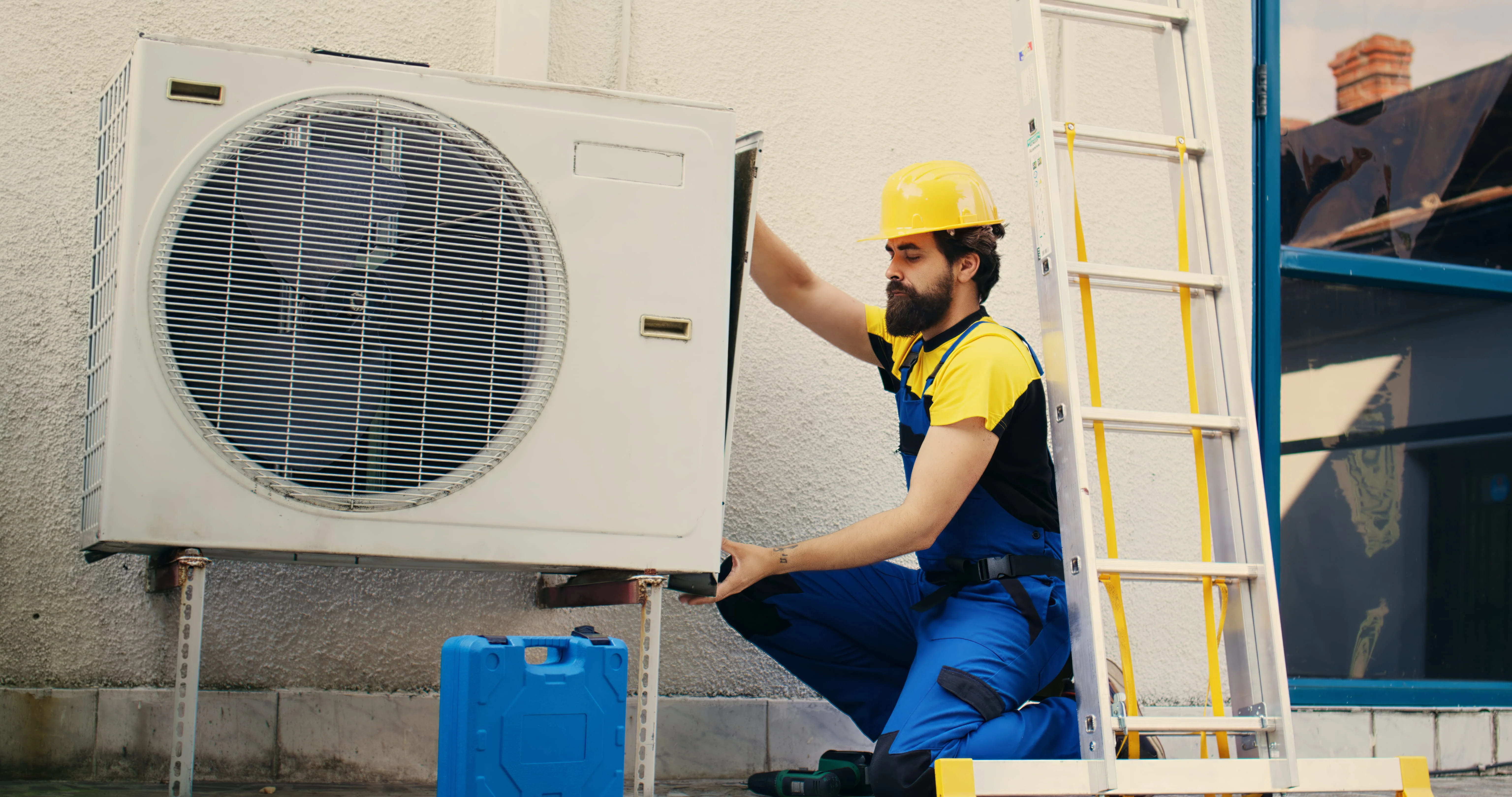
There's a running joke among tradies that aircon units seem to pick the hottest day of the year to give up, and honestly, it's not far off the truth. Units get pushed harder during heatwaves, running almost non-stop for days at a time, and that's exactly when any weak point a system's been hiding finally shows itself. That's usually the week phones start ringing off the hook for air conditioning repair Mooloolaba jobs, with half the calls sounding pretty much identical — it was fine yesterday, and today it's just blowing warm air or not switching on at all.
Most of the time it's not really bad luck. The unit's been quietly struggling for a while, maybe running low on refrigerant or fighting through a clogged filter, and the extra strain of a proper heatwave is just what finally tips it over. It's a bit like a car that's been making a funny noise for months and then decides to actually break down the one week you really needed it.
The Common Signs Something's About To Give Out
A unit rarely just stops working with zero warning, even though it can feel that way when it happens. Weaker airflow than usual is often the first sign, something you might not even notice until you're standing right under the vent wondering why it doesn't feel as cold as it used to. Strange noises are another one — clicking, buzzing, or a rattle that wasn't there before, all worth paying attention to rather than turning the volume up on the telly and ignoring it.
Ice forming on the indoor unit is a bigger red flag, usually pointing to airflow problems or low refrigerant, and it's not something that fixes itself by leaving the unit off for a day. Water pooling near the indoor unit, or a musty smell the second it kicks on, are both worth getting checked too.
None of these mean the sky's falling, but they usually mean something needs attention before it turns into a full breakdown on a 37 degree afternoon.
What Actually Happens During A Repair Visit
A proper repair call starts with a bit of detective work before any tools come out. Technicians will usually check refrigerant levels first, since that's one of the quickest ways to explain a sudden drop in cooling power.
From there they'll have a look at the filters and coils, check the drainage isn't blocked, and listen to how the compressor and outdoor fan sound when they're running, since a lot of problems announce themselves through noise before anything actually fails outright. If it's an electrical fault — and quite a few are — that gets checked carefully given how much can go wrong with wiring that's been sitting in a hot roof cavity for years.
A decent technician won't just patch the obvious symptom either. They'll try to work out why it happened in the first place, because fixing a leak without figuring out where it's coming from just means you're back in the same spot again in a few months.
Emergency Repairs Versus Getting Ahead Of The Problem
There's a real difference between calling someone out in a panic because the unit's died mid-heatwave, and catching a problem early while it's still manageable.
Emergency call-outs tend to cost more, simply because you're competing with everyone else who's also just had their system fail on the same stinking hot day, and availability gets tight fast. Getting ahead of things usually means noticing the small signs early — a bit of extra noise, slightly weaker airflow — and booking someone in before it becomes urgent.
People searching for air conditioning repair Caloundra way after a system's already died tend to say the same thing in hindsight, that there were warning signs for a while but nobody really connected the dots until it stopped working completely. It's a pretty normal thing to happen, life gets busy and a slightly noisier aircon doesn't feel like a priority, right up until it actually is one.
Why The Coastal Climate Complicates Things A Bit
Anyone who's lived near this stretch of coast for a while knows the salt air isn't exactly kind to outdoor units. It speeds up corrosion on components that would otherwise last a lot longer inland, which means repairs out this way sometimes involve issues technicians in drier, inland areas rarely deal with.
Humidity adds its own complications too, encouraging mould growth inside units that aren't cleaned often enough, and making drainage problems a bit more common than they'd be somewhere with a drier climate. Locals who've dealt with a few of these breakdowns tend to specifically look for someone experienced in air conditioning repair Mooloolaba rather than just picking whoever's available fastest, since coastal know-how genuinely changes how a repair gets diagnosed and fixed.
The same goes further down the coast too — plenty of people chasing air conditioning repair Caloundra want someone who's actually dealt with salt-affected units before, not just someone reading off a standard troubleshooting sheet.
Avoiding The Same Breakdown Twice
Once a unit's finally fixed, the last thing anyone wants is the same problem cropping up again in six months. Keeping filters clean makes a bigger difference than people usually give it credit for, since a clogged filter is behind a huge chunk of repair call-outs in the first place.
Clearing debris away from the outdoor unit helps too, especially after storms, when leaves and branches tend to pile up around the base without anyone noticing. Booking a proper service once a year, rather than waiting for something to actually fail, is honestly the simplest way to catch small issues before they become expensive ones.
People who stay on top of this tend to avoid repeat air conditioning repair Caloundra call-outs altogether, mostly because whatever was quietly wearing down gets picked up and sorted while it's still a minor fix rather than a full breakdown.
Conclusion
At the end of the day, most aircon breakdowns aren't really sudden, they're just the final straw after months of small warning signs nobody got around to checking. Staying on top of the little things, and getting problems looked at before they turn into an emergency, saves both money and a fair bit of stress during the hottest weeks of the year.
If your system's already playing up or you'd rather get ahead of it before it does, it's worth getting someone reliable out to have a look.
Whether you're after solid air conditioning repair Mooloolaba or need someone dependable for air conditioning repair Caloundra, South East Air is a name locals keep bringing up, particularly once they realise how much of a difference genuine coastal experience makes when something actually goes wrong.
FAQs
Why do aircon units seem to break down during heatwaves specifically?
They're running harder than usual for longer stretches, which exposes any weak point that was already quietly building up beforehand.
Is it worth repairing an older unit or better to replace it?
If it's past ten years old and needing frequent repairs, replacement usually ends up cheaper than continuing to patch the same system.
How quickly can a faulty unit usually be repaired?
Most straightforward issues, like refrigerant top-ups or filter-related problems, can be sorted same day. More complex electrical faults sometimes take longer.
Are coastal homes more prone to aircon problems?
Generally yes. Salt air speeds up corrosion on outdoor units, and higher humidity makes mould and drainage issues more common than inland.
What's the easiest way to avoid frequent repairs?
Regular filter cleaning and an annual service catch most issues early, well before they turn into an emergency breakdown.

















.webp)