Sign up with Google
 Sign in with Zoho

Replacing outdated doors and windows is one of the most effective ways to improve a home's comfort, energy efficiency, and appearance. While traditional wooden frames have their charm, they often require extensive maintenance and may deteriorate when exposed to moisture, termites, or changing weather conditions. Modern aluminium doors and uPVC systems offer long-lasting performance, sleek aesthetics, and practical benefits that suit contemporary homes.

Why Homeowners Choose uPVC and Aluminium
Both uPVC and aluminium have become popular alternatives to timber because they combine durability with minimal upkeep.
Excellent Durability
Unlike wood, uPVC does not rot, warp, or attract termites, while aluminium resists corrosion and maintains its structural strength even in demanding weather conditions. Quality systems retain their shape and performance for years with minimal deterioration.
Low Maintenance
Wooden frames often require repainting, polishing, or protective treatments. In comparison, uPVC and aluminium only need occasional cleaning with mild soap and water, making them a practical choice for busy homeowners.
Weather Resistance
Modern uPVC and aluminium systems are designed to withstand rain, humidity, strong sunlight, and fluctuating temperatures. Proper sealing also helps minimise water seepage and air leakage, improving indoor comfort throughout the year.
Improved Energy Efficiency
uPVC naturally provides excellent thermal insulation because it transfers less heat than metal. When paired with high-performance glazing, it can help maintain comfortable indoor temperatures and potentially reduce cooling requirements.
Choosing Between uPVC and Aluminium
The right material depends on your home's design and functional needs.
Choose uPVC if you prioritise:
- thermal insulation
- reduced outside noise
- low maintenance
- value for money
Choose aluminium doors and windows if you prefer:
- slim frame profiles
- expansive glass areas
- modern architectural aesthetics
- exceptional structural strength for larger openings
Both materials are available in multiple colours, finishes, and configurations, making them suitable for contemporary as well as traditional homes.
Selecting the Right Doors and Windows
Beyond choosing the material, homeowners should consider how each product will be used.
Match the Design to the Space
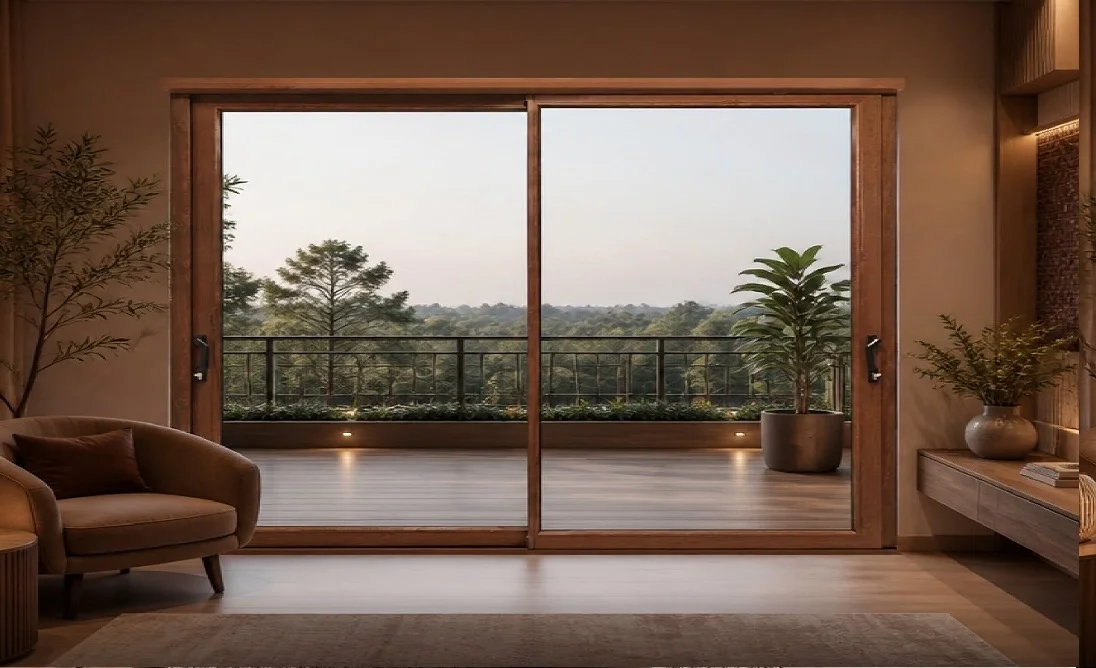
Sliding doors are an excellent solution for balconies, patios, terraces, and gardens because they operate horizontally without occupying additional floor space. Large glass panels also maximise natural light and create a seamless transition between indoor and outdoor areas.
Bedrooms, study rooms, and home offices often benefit from casement windows or doors that create a tighter seal, helping improve thermal efficiency, reduce outside noise, and enhance security.
Choosing Windows for Bay Windows
Selecting the right windows for bay windows requires balancing aesthetics with functionality. Bay windows are designed to project outward from the building, allowing more daylight and wider outdoor views while making interiors feel more spacious.
uPVC bay windows offer excellent insulation and require very little maintenance, making them suitable for homeowners seeking energy-efficient solutions. Aluminium bay windows, with their slim yet strong frames, accommodate larger glass panels that create a contemporary appearance and maximise natural light. The most suitable option depends on the property's architectural style, climate, and performance requirements.
Consider Colours and Finishes
Frame finish plays a significant role in the overall appearance of a home. Aluminium systems are available in durable powder-coated finishes across a wide range of contemporary colours, while uPVC offers classic white, neutral shades, and wood-grain textures that replicate the appearance of natural timber with significantly less maintenance.
Both uPVC and aluminium are reliable choices for modern residential projects. The ideal solution depends on your priorities, whether that is energy efficiency, contemporary design, larger glazed areas, or ease of maintenance. Evaluating room function, climate, aesthetics, and long-term performance can help homeowners select doors and windows that enhance both comfort and property value.