Sign up with Google
 Sign in with Zoho

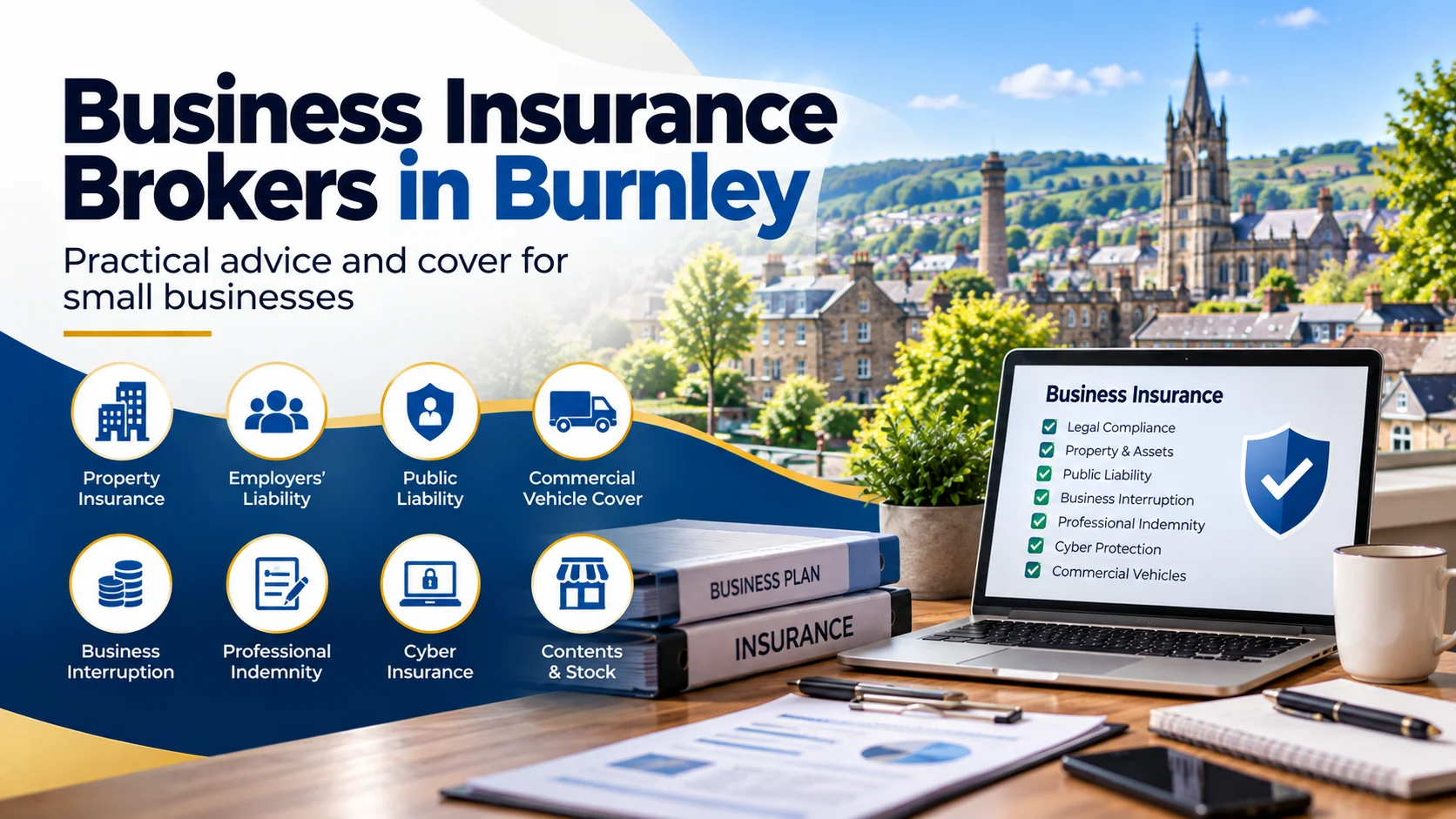
Starting or running a small business involves many decisions, and insurance is one that owners often approach with some uncertainty. What is legally required? What do customers expect? What would the business struggle to recover from if something went wrong?
This article outlines the main insurance considerations for small businesses and explains how business insurance brokers in Burnley can help owners turn general questions into practical decisions.
Start With What Is Legally Required
Some insurance is compulsory in the UK, and owners should understand which requirements apply to them.
Employers' liability insurance. Most businesses that employ staff are legally required to hold this cover, with a limited number of exceptions. It helps with claims from employees who are injured or become ill because of their work. Owners should confirm whether the requirement applies to them, including where they use part-time, temporary or casual workers.
Motor insurance. Any vehicle used on public roads must be insured at least to the legal minimum. If vehicles are used for business purposes, the policy must reflect that use. Standard personal car insurance may not cover business use, so owners should check.
Beyond these, other covers may not be legally required but can be essential in practice, because customers, landlords or lenders may insist on them.
Think About Third-Party Claims
Small businesses interact with customers, suppliers and members of the public every day. If something goes wrong, a third party may make a claim.
Public liability insurance is designed to respond if someone is injured or their property is damaged because of the business's activities. Many customers, particularly larger organisations, ask suppliers for evidence of public liability cover before work begins.
Owners should ask a broker what level of cover is sensible. The right limit depends on the type of work, where it is carried out and the contracts involved.
Protect Your Premises, Equipment and Stock
Physical assets are often the backbone of a small business. Losing them can halt trading.
- Buildings cover matters for owners of their premises. Tenants should check the lease to see who is responsible for insuring the building.
- Contents and equipment cover protects tools, machinery, furniture and fittings against insured events, subject to the policy terms.
- Stock cover helps with goods held for sale or use. Stock levels can vary, so it is important to understand how the policy deals with seasonal peaks.
Owners should review sums insured regularly. A business that has bought new equipment or increased its stock may find that its limits no longer reflect reality.
Consider Loss of Income
A fire, flood or other insured event might damage property, but it can also stop the business from trading. During that period, rent, wages and other costs may continue while income falls.
Business interruption cover is designed to help with this. Wording varies between policies, so owners should check what events trigger the cover, how long it lasts and how income is calculated. A broker can explain how a policy would respond in a realistic scenario.
Professional Advice and Services
Some small businesses give advice or provide specialist services. Errors, omissions or delays could lead to a claim from a client.
Professional indemnity insurance is intended to respond to such claims, subject to its terms. It is often relevant to consultants, designers, accountants, surveyors and other service providers. Clients and professional bodies may also set minimum requirements.
If a business is unsure whether it needs this cover, a conversation with business insurance brokers in Burnley can clarify how the services provided might lead to claims.
Do Not Overlook Digital Risks
Even very small businesses now rely on digital systems. They store customer details, take online payments, use email and keep records in the cloud.
Cyber insurance can help with certain costs following incidents such as data breaches or system interruptions, depending on the policy. Owners should also take practical steps, such as using strong passwords, keeping software up to date and backing up data regularly. Insurers often ask about these measures.
Vehicles Used for Work
Vans, trucks and cars used for business can create specific insurance needs. Considerations include:
- Who drives the vehicles, and whether staff use their own cars for work
- What is carried, such as tools, stock or customer goods
- Whether the vehicles are used for deliveries, travel to customer sites or both
- How the vehicles are stored overnight
A broker can arrange suitable cover and explain how it differs from private motor insurance.
Contracts, Leases and Customer Requirements
Insurance is often tied to contracts. A lease may require the tenant to insure certain items. A customer may ask for a minimum public liability limit. A lender may require property cover.
Owners should keep a list of insurance obligations in their contracts and share them with the broker. This helps ensure the policies meet the stated requirements and avoids problems when work begins.
Being Honest and Accurate With Information
Insurance relies on accurate information. When applying for or renewing cover, owners should give complete and honest answers about:
- Business activities, including occasional or new ones
- Premises, security arrangements and how the building is used
- Staff numbers and roles
- Asset values
- Previous claims and incidents
If facts are missed or misstated, an insurer may reduce or decline a claim. A broker can help owners understand what to disclose and how to describe the business clearly.
How a Broker Can Help Small Businesses
Small business owners often lack the time to compare policies in detail. Business insurance brokers in Burnley can help by:
- Asking the right questions about the business
- Comparing options from several insurers
- Explaining policy wording in plain language
- Advising on limits, excesses and exclusions
- Supporting changes during the year
- Guiding owners through the claims process
When choosing a broker, owners can check that the firm is authorised and regulated by the Financial Conduct Authority, ask how it is paid and request an explanation of how it supports claims. These simple checks provide a good indication of how the firm works.
Review Cover Regularly
Small businesses change quickly, so insurance should be reviewed at least once a year and whenever something significant happens. Triggers include moving premises, hiring staff, buying equipment, increasing turnover or signing a major contract.
Regular conversations with business insurance brokers in Burnley help owners keep cover aligned with the business and prevent small gaps from becoming large problems.
Conclusion
Insurance for a small business starts with legal requirements, then extends to liability, property, income, professional risks, digital exposure and contractual obligations. Each business is different, but the questions are broadly similar: what could go wrong, what would it cost and how can the business be protected? Business insurance brokers in Burnley can help owners answer them with clear, practical advice.
For businesses looking for a trusted example, IC Insurance Solutions is a commercial insurance broker that helps companies review their cover and understand the choices available. Owners who would like to speak with business insurance brokers in Burnley can begin by listing their activities, assets and contract requirements. That information provides a strong basis for a useful first conversation.