Sign up with Google
 Sign in with Zoho
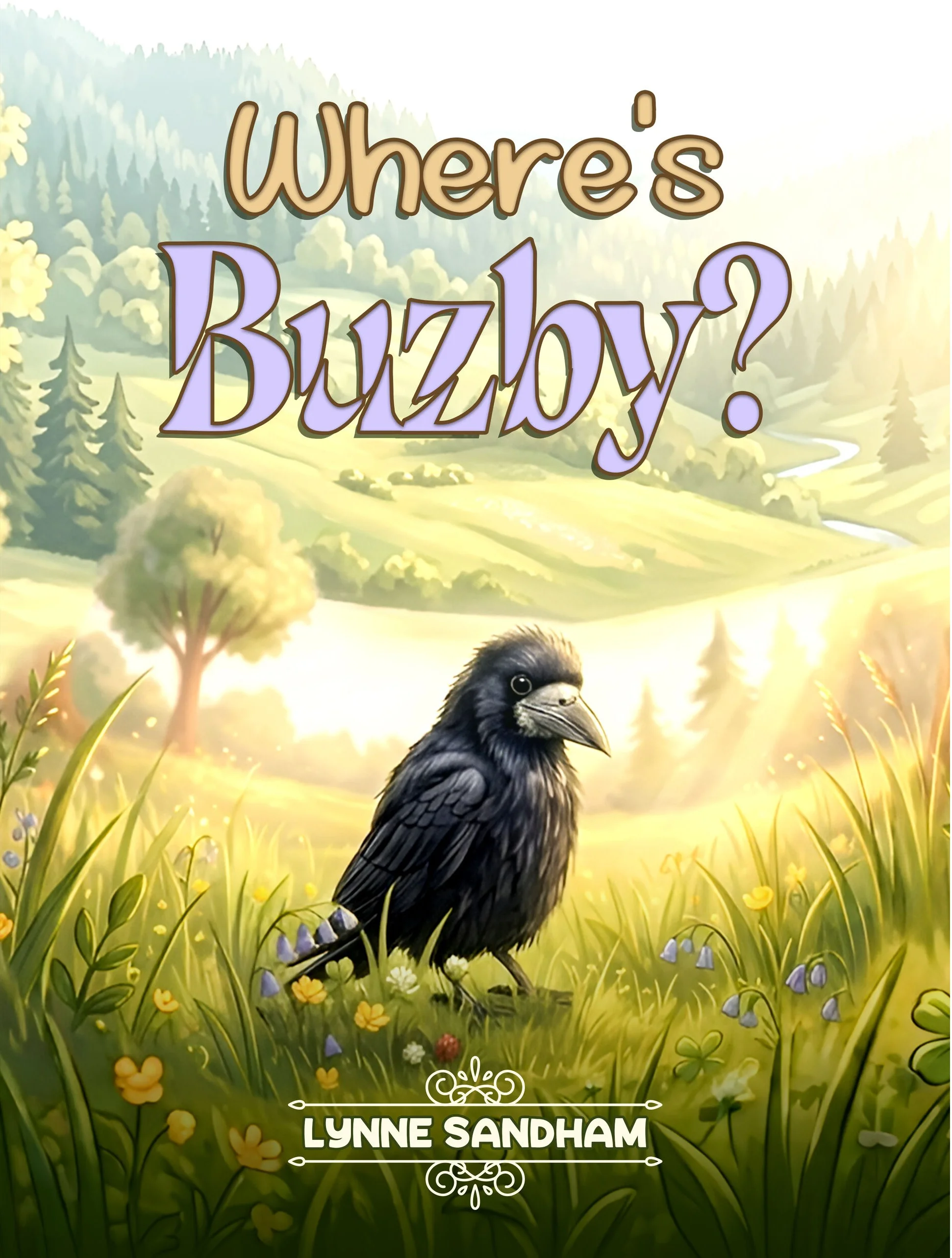
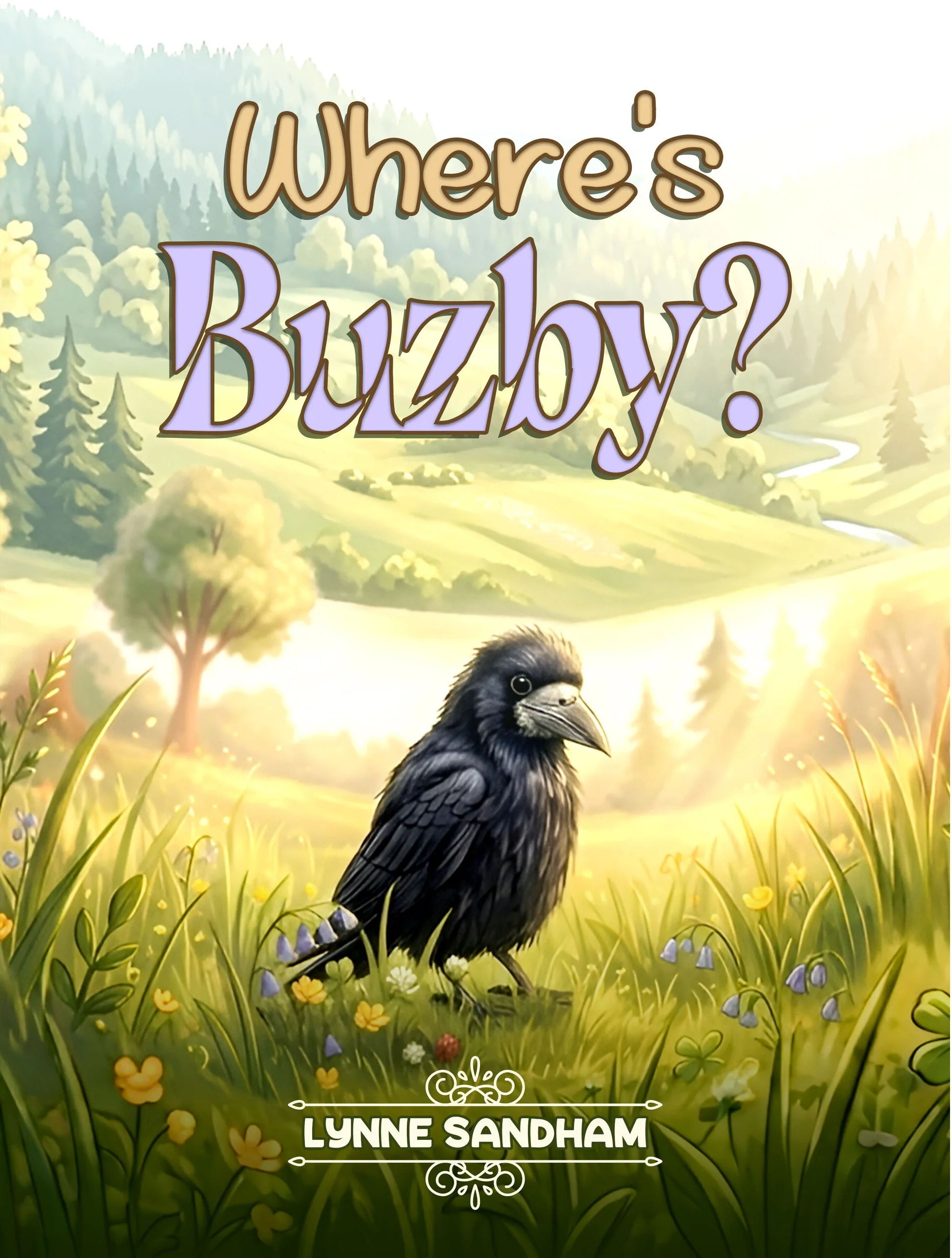
He was lying by the side of a road in Kent, a small black bird with a broken wing and no parents in sight. Nobody could have guessed what he would become.
It was 1978, on the edge of Waldershare Park. A family on holiday stopped their car and crouched beside a bundle of damp feathers. He was a fledgling rook. His wing hung wrong. He was too young to fly.
They tried to do the right thing first, moved him gently under the beech trees, and waited. Half an hour later, he had hobbled back into the road, into the path of passing cars. So they picked him up. They carried him home. The vet said he would probably never fly. The family looked at each other and made a quiet decision that would last ten years.
The bird who befriended the cats
They named him Buzby. Nobody quite remembers why. From the first night, he was strangely calm, no struggling, no pecking. He ate his mealworms and slept in a warm shed, watching them with bright, curious eyes.
Soon he had the run of a tall-fenced garden, a perch in the kitchen, and a custom house his new father built by hand. The family cats shared their food bowl with him. The dog learned his rhythms. He befriended a large grey rabbit named Ben. If you have ever loved an animal who chose to love you back, you already know how this felt.
And then, one Sunday morning, he spoke.
The father had gone swimming. The mother was making lunch when she heard it, small, croaky, unmistakable.
“Hello.”
She stopped. Surely she had imagined it. Then it came again. She walked into the garden, and there he was, jumping on his perch with delight.
He had taught himself. Nobody had drilled him. He had simply listened, for months, to the people he loved, and one Sunday morning, he had decided to say it back. How do you describe a wild bird, a roadside rescue, looking you in the eye and saying hello?
The village fell in love.
Word travels fast. Soon, half the local children were finding excuses to walk past the house. Buzby loved the audience. He learned the cats’ names and called out to them across the garden. When offered food he didn’t want, he would shake his head and croak, distinctly, no more.
The local headmistress invited him to the morning assembly. He rode on his mother’s shoulder the ten-minute walk to school and said hello to a hall full of children on their very best behavior. He was also, the mother admitted, sometimes very naughty, burying shiny treasures in the lawn, marking the spot with a red berry like a pirate’s map, only he could read.
Why a small black bird mattered so much
Buzby’s story is, in the end, about what happens when humans choose kindness in a moment when they could have driven on. It is about how intelligent birds really are, and how badly we underestimate them. Crows, rooks, and ravens are now known to solve puzzles, recognize human faces, and grieve their dead. Buzby was no magic bird. He was simply a rook given the chance to show what a rook can do when someone is patient enough to notice.
It is also about childhood wonder, and the kind of empathy that runs both ways. When he passed peacefully in 1988, the family buried not just a bird, but a member of the household. They say that even now, whenever they hear a rookery in the distance, they think of him.
For decades, the story lived only in the family’s memory. Now Lynne Sandham, who lived all ten of those years with Buzby, has set it down in a small illustrated children’s book called Where’s Buzby?, so that the next generation of children can meet him too.
Buzby never did learn to fly. But in the way that matters, he is still flying, in every child who heard him say hello, in every reader who looks at a rook in a field a little differently now. Sometimes the smallest creatures leave the largest footprints.