Sign up with Google
 Sign in with Zoho

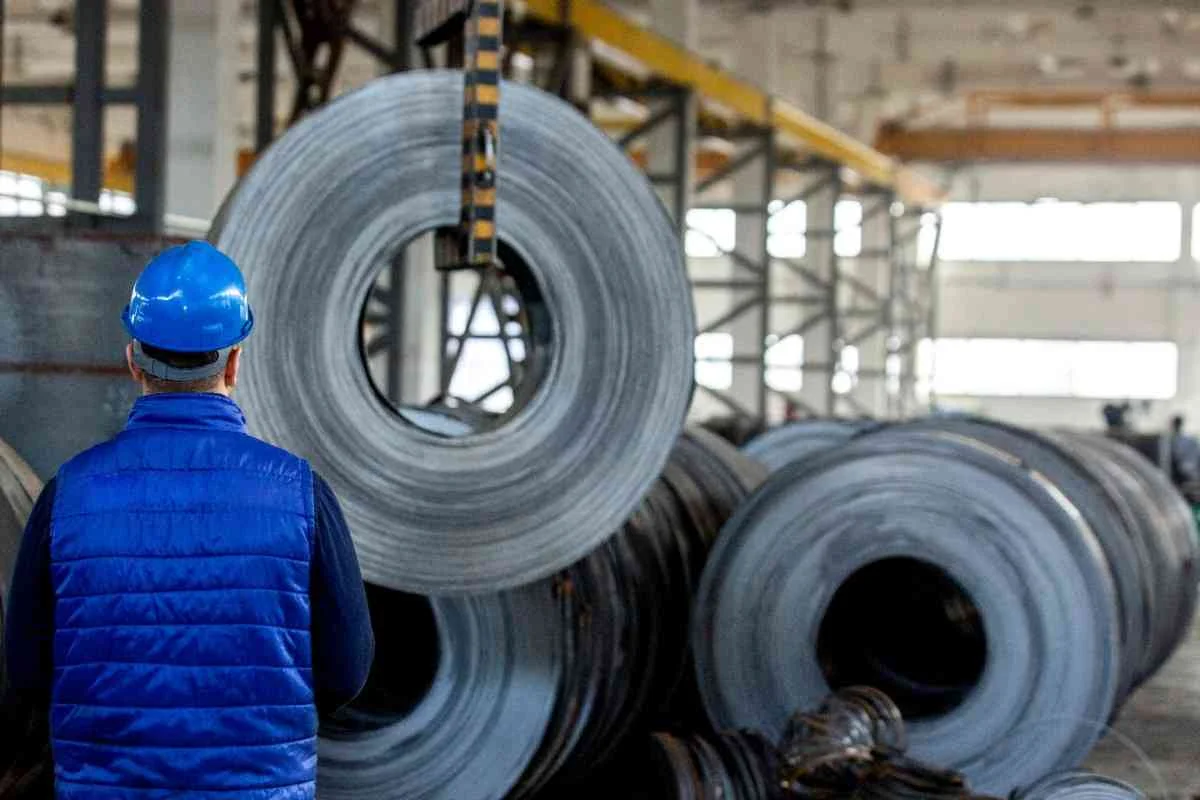
When purchasing construction steel bars, consider steel grade, dimensions, tensile and yield strength, adherence to Malaysian standards, corrosion resistance, the amount of steel required, and supplier reliability of steel. These are seven factors that help to define structural safety, long-term performance and overall project value — and that are critical points to consider before making any procurement decision.
The selection of the incorrect steel bars can affect a whole building. Poor material sourcing is a key driver of structural failures, cost overruns, and compliance challenges for construction firms, project managers, and procurement teams in Malaysia. By starting with the right steel bars suppliers, you can save on time, cost and risk in the future. Below are the 7 factors that should help you make every purchase decision.
1. Steel Grade: Matching Material to Structural Demand
Not all steel bars are equal. The grade specifies the chemical composition and mechanical characteristics of the bar and consequently its behavior under the load. In Malaysia, the most popular grade used for reinforced concrete is Grade 500 and Grade 250, which are regulated by MS 146 – Malaysian Standard (Hot-rolled steel bars).
Grade 500 offers higher yield strength and is typically used in beams, columns, and slabs. Grade 250 suits lighter applications like mild structural elements or non-load-bearing sections. Misapplying a lower grade to a high-stress application is a structural liability.
2. Dimensional Accuracy: Diameter Tolerances Matter More Than You Think
Steel bars come in standard diameters — typically ranging from 6mm to 40mm for construction use. What matters is dimensional consistency across the entire batch. Bars that fall outside tolerance ranges affect rebar spacing, lap lengths, and concrete cover, all of which are specified in structural engineering drawings.
Always request mill test certificates that confirm the diameter and cross-sectional area. A reputable supplier will have this documentation ready without hesitation.
3. Tensile and Yield Strength: The Core Performance Indicators
Yield strength is the stress point at which steel begins to deform permanently. Tensile strength is the maximum stress the bar can handle before fracture. Both values are critical to structural integrity and are specified in engineering designs.
For Grade 500 deformed bars, MS 146 requires a minimum yield strength of 500 MPa and a tensile-to-yield ratio of at least 1.08. When purchasing, ask suppliers for batch-specific test reports — not just generic product datasheets. This is especially important for large infrastructure or high-rise projects in Malaysia where structural loads are substantial.
4. Compliance with Malaysian Standards and Regulations
This is non-negotiable. All steel reinforcement bars used in Malaysian construction projects must comply with MS 146: Part 1 for hot-rolled plain steel bars and MS 146: Part 2 for deformed bars. The Department of Standards Malaysia (DSM) oversees these standards.
CIDB-registered projects also have specific material compliance requirements. Procurement teams should verify that the steel bars carry proper certification and that the supplier can provide traceable documentation from a recognised mill. Buying uncertified bars — regardless of how affordable they seem — creates serious legal and structural exposure.
5. Corrosion Resistance: Critical for Malaysia's Climate
Malaysia's hot and humid tropical climate accelerates corrosion in exposed or semi-exposed environments. For construction near coastal areas, infrastructure projects, or structures with high moisture exposure, corrosion resistance is a primary selection criterion — not an afterthought.
Options include epoxy-coated bars, stainless steel reinforcement, or steel with higher chromium content. For most standard construction, ensuring adequate concrete cover and using bars from certified mills with proper carbon equivalent values is sufficient. Discuss project-specific environmental conditions with your supplier before specifying the bar type.
6. Quantity Planning and Lead Times
Over-ordering ties up capital. Under-ordering delays the project. Accurate quantity take-offs based on final structural drawings are essential before procurement. Steel bars are typically ordered in tonnes, and most suppliers price them accordingly — with bulk orders often attracting better rates.
Lead times vary. Locally stocked bars are usually available within days, while special grades or custom lengths may require weeks. For large projects, establish delivery schedules with your supplier in advance. This is also where your supplier's logistics capability matters — can they deliver to your site on schedule, consistently?
7. Supplier Reliability: The Factor Most Teams Underestimate
Product quality means little if your supplier cannot deliver on time, cannot provide documentation, or disappears after the first order. Supplier reliability encompasses several practical dimensions:
- Stock availability: Can they fulfil large orders without lengthy delays?
- Documentation: Do they provide mill certificates, test reports, and delivery orders consistently?
- Technical support: Can their team advise on grade selection or specification queries?
- Track record: Have they supplied materials for comparable projects in Malaysia?
It is also worth checking whether the supplier carries a broader range of construction materials. Suppliers who stock plumbing materials supplier products alongside steel — including pipe fitting components and poly pipe & fittings — often offer consolidated procurement advantages, reducing the number of vendors you manage across a project.
A Quick Comparison: Common Steel Bar Types for Construction
Getting these seven factors right before signing a purchase order protects your project structurally, legally, and financially. KS Pedaran supplies steel bars and a wide range of construction materials to projects across Malaysia — with documentation, technical support, and reliable delivery schedules that procurement teams can depend on. Visit KSPedaran to explore their full range of steel and construction materials.
Frequently Asked Questions
What is the standard grade of steel bars used in Malaysian construction?
In Malaysia, Grade 500 deformed bars are the most widely used for structural reinforcement, governed by MS 146. Grade 250 plain bars are used for lighter applications. Both grades must meet Department of Standards Malaysia requirements for use in certified construction projects.
How do I verify the quality of steel bars from a supplier?
Request mill test certificates and batch-specific test reports that confirm yield strength, tensile strength, and dimensional tolerances. Reputable steel bars suppliers will provide full documentation without delay. Cross-check the certificates against MS 146 specifications before accepting any delivery.
What diameter steel bars are most commonly used for building construction?
Diameters of 10mm, 12mm, 16mm, 20mm, and 25mm are most commonly specified in Malaysian residential and commercial construction. The exact diameter depends on the structural engineer's design drawings and the load requirements of each structural element.
Does Malaysia's climate affect the choice of steel bar type?
Yes. Malaysia's high humidity and coastal environments accelerate corrosion. For exposed or coastal structures, specify bars with appropriate corrosion protection or ensure sufficient concrete cover as required by Eurocode 2 and local design guidelines. Always discuss environmental conditions with your supplier before specifying materials.
Can I source steel bars and plumbing materials from the same supplier?
Yes, and it is often more efficient to do so. Some construction material suppliers in Malaysia carry both structural steel and plumbing products, allowing procurement teams to consolidate orders, reduce vendor management complexity, and streamline project logistics under one reliable supply chain.