Sign up with Google
 Sign in with Zoho

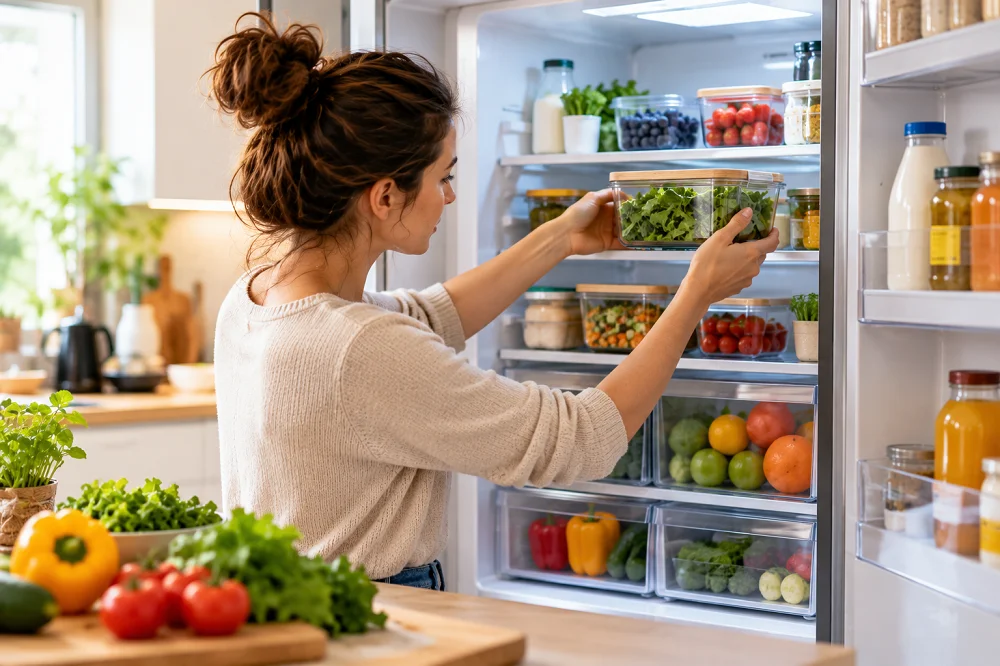
Food may go bad more quickly than one would expect, even if it is put directly into the refrigerator after buying it. The issue might be inadequate storage, or the food could be moved to the back of a shelf and then be forgotten until it is no longer eatable. Making a few changes to the way groceries are stored can help decrease waste and make it easier to deal with daily meals.You don’t need any complicated equipment or a total alteration of your kitchen routine if you want to keep food fresh. All it takes is knowing where the various foods should go, keeping your refrigerator at the correct temperature, and using up the older groceries first.
Store Different Foods in the Right Places
Different foods do not require the same storage conditions; certain items stay better in the refrigerator, whereas others can suffer a loss of texture or flavour if stored too cold.Milk, yoghurt and other perishable dairy products should usually be put in the refrigerator at once. It is better to place them on the right shelf rather than leave them in the door of the refrigerator, since the temperatures there can vary more frequently.Fresh meat, poultry, and seafood need particular care. Store them in sealed containers on the lowest shelf to prevent their juices from dripping onto other foods. Use them within the recommended storage period, or freeze them if you will not need them soon.Fruits and vegetables also gain from proper storage; leafy greens tend to last longer if they are kept dry in the crisper drawer. Certain fruits, such as apples and berries, may require refrigeration, whereas bananas are generally better stored at room temperature until they are ripe. It is best to check the requirements of each type of food rather than placing all items in the same drawer.
Set Your Refrigerator to the Right Temperature
Temperature has a great influence on how long food kept in a refrigerator remains safe; if a refrigerator is too warm it can cause harmful bacteria to multiply more quickly even if the food looks and smells normal.The United States Food and Drug Administration suggests that a refrigerator should be kept at 40°F (4°C) or below and that a freezer should generally be at 0°F (-18°C). In order to know the real temperature you can use a cheap appliance thermometer instead of depending completely on the control setting.There is no need to alter the temperature unless there is a good reason. If the refrigerator appears to be warmer than normal, check the settings first. Ensure that the door shuts properly and that the food packaging is not obstructing the vents.It's also a good idea to check the temperature following a power cut or when you have brought home a large amount of groceries. Warm food can temporarily increase the temperature inside the refrigerator, particularly if the shelves are already full.
Avoid Overfilling the Refrigerator
It does not follow that a refrigerator which is full is an efficient one; when containers and grocery bags are packed closely together, the cold air may have difficulty circulating around the food and as a result some items can end up warmer than others.Make sure to leave space around the vents and don't push the containers up against the rear wall. If the refrigerator often seems to be overcrowded, then you should remove some of the items that no longer need to be kept in the refrigerator or make plans for buying smaller quantities of groceries.The arrangement is also important: place the ingredients that are used most often within easy reach, but leave sufficient space so that you can move the items without disturbing all the others on the shelf. Having a clear view of what you already have makes it easier to use the ingredients before they go bad.Refrigerator size can also affect everyday organisation. Households that regularly store large grocery shops, prepared meals, or bulky containers may benefit from reviewing their available capacity. Comparing different refrigerator options for home storage can help when the existing appliance no longer suits the household’s needs.
Organise Food to Reduce Waste
Food is frequently wasted since people tend to forget the items they have bought, but this can be avoided by establishing a simple organisation routine even if you don't use containers with labels.Put the older groceries at the front and place the recently bought ones behind them so that you can use the food that has been stored for a longer time before opening anything new. This method also applies to sauces, dairy products, leftovers, and packaged ingredients.Leftovers also need some attention. Place them in clean, covered containers and put the date on which they were prepared on the lid if you have a tendency to forget when meals were cooked. Perishable food should be refrigerated within two hours, or within one hour if the temperature is above 90°F (32°C).You shouldn't decide if left-overs are safe on the basis of their appearance alone. When stored properly in the refrigerator, most cooked left-overs should be used within three to four days. Any portions that will not be eaten within that time frame should be frozen.Checking quickly before going shopping can be just as helpful as proper storage. Go through the refrigerator, draw up a brief list and plan your meals around the ingredients that you need to use first. This will stop you from making duplicate purchases and increase the chances that any forgotten groceries will be eaten.
Keep Your Refrigerator Clean
The presence of spills and left-over food has an impact that goes beyond the look of the refrigerator; liquid from raw meat can spoil other items while mouldy fruit and vegetables can cause contamination to other nearby foods.Wipe spills as soon as possible, especially those involving raw meat, seafood, or dairy products. Clean shelves and drawers regularly with warm water and dish soap, following the manufacturer’s care instructions. Avoid using harsh chemicals that could leave unwanted residues on food-contact surfaces.Check the crisper drawers and the back of the shelves during your weekly grocery check. Soft vegetables, leaking packages, and expired leftovers are easier to deal with before they become a larger mess.Pay attention to the door seal as well. A damaged or dirty gasket can prevent the door from closing properly, allowing warm air to enter. Clean the seal gently and check that it sits evenly against the refrigerator frame.
Know When Food Should Be Discarded
Good storage can prolong the useful life of food, but it cannot make all kinds of it safe for an indefinite period of time. Some foods display obvious signs of going bad, for example mould, an odd texture, leaking packaging, or an unpleasant odour. In other cases, the food may have dangerous bacteria without any obvious signs warning of this.When deciding how long to keep perishable foods, follow the storage instructions and also use reliable food safety advice. Even if food has been left at room temperature for a long time, you should not think that putting it in the refrigerator later will make it safe.When it comes to soft foods, care should be taken about mould. Mould is able to spread below the visible surface of items like soft fruit, yoghurt, and cooked left-overs, and therefore taking out the contaminated part might not be sufficient. Firm foods may sometimes be treated in a different way, the exact method depending on the type of food and the extent of contamination.If it is truly uncertain as to whether a perishable item is safe, then it is better to throw it away. One should avoid tasting food in order to check if it has gone bad.
Final Thoughts
The main reason for keeping food fresh for a longer period is by following a number of simple habits. You should store your groceries in appropriate places, keep the refrigerator at a safe temperature, leave space so that cold air can circulate, and make sure that older ingredients are visible.Checking your groceries on a weekly basis can stop food that you have forgotten from ending up in the refrigerator until it has to be discarded, and also planning your meals around the food you already have will help you keep your spending on groceries in check.The necessary time and effort involved in these changes are very small. After they have been incorporated into your everyday routine, it will be easier to keep tabs on your groceries, cut down on unnecessary waste, and make more effective use of the food you bring home.The following editorial note states that the draft consists of about 1,000 words. Before deciding to publish it, check the food safety aspects again against the most up-to-date official advice, especially regarding the storage times for particular foods.