Sign up with Google
 Sign in with Zoho

Changing jobs often brings excitement, new responsibilities, and fresh opportunities. However, it can also create concerns about provident fund savings accumulated over years of employment. Many employees wonder whether their PF money has been transferred correctly, whether previous contributions remain secure, and how to confirm that claims submitted through the EPFO system are progressing as expected.
These concerns are understandable because provident fund savings represent an important component of long-term financial security. Losing visibility into these funds can create unnecessary anxiety, particularly after leaving an employer.
Fortunately, employees can monitor both their EPFO claim status and PF balance through various tracking mechanisms. Understanding how these systems work allows individuals to remain informed about their retirement savings throughout employment transitions.
This guide explains how to verify PF balances, track claim status updates, understand common processing stages, and ensure that your provident fund savings remain secure after changing jobs.
Why PF tracking matters after resignation
After leaving a job, employees often focus on joining a new organisation or exploring future opportunities. During this period, provident fund management may receive less attention.
However, monitoring PF activity remains important because it helps confirm:
- Account continuity
- Contribution accuracy
- Transfer progress
- Claim settlement status
- Retirement savings visibility
Regular checks reduce uncertainty and improve confidence.
Understanding your PF balance
Your PF balance consists of accumulated contributions along with applicable interest credits.
This balance reflects:
- Employee contributions
- Employer contributions
- Historical savings growth
- Account activity over time
Reviewing the balance periodically helps employees understand the status of their retirement corpus and identify potential discrepancies.
When should you check your PF balance?
Although there is no mandatory schedule, checking balances becomes particularly important during major career transitions.
Recommended situations include:
After resignation
Employees can confirm that final contributions have been recorded.
After joining a new employer
Account continuity can be verified.
Following a transfer request
Transferred balances can be reviewed for accuracy.
During retirement planning
Regular reviews provide a clearer picture of long-term savings.
What is EPFO claim status?
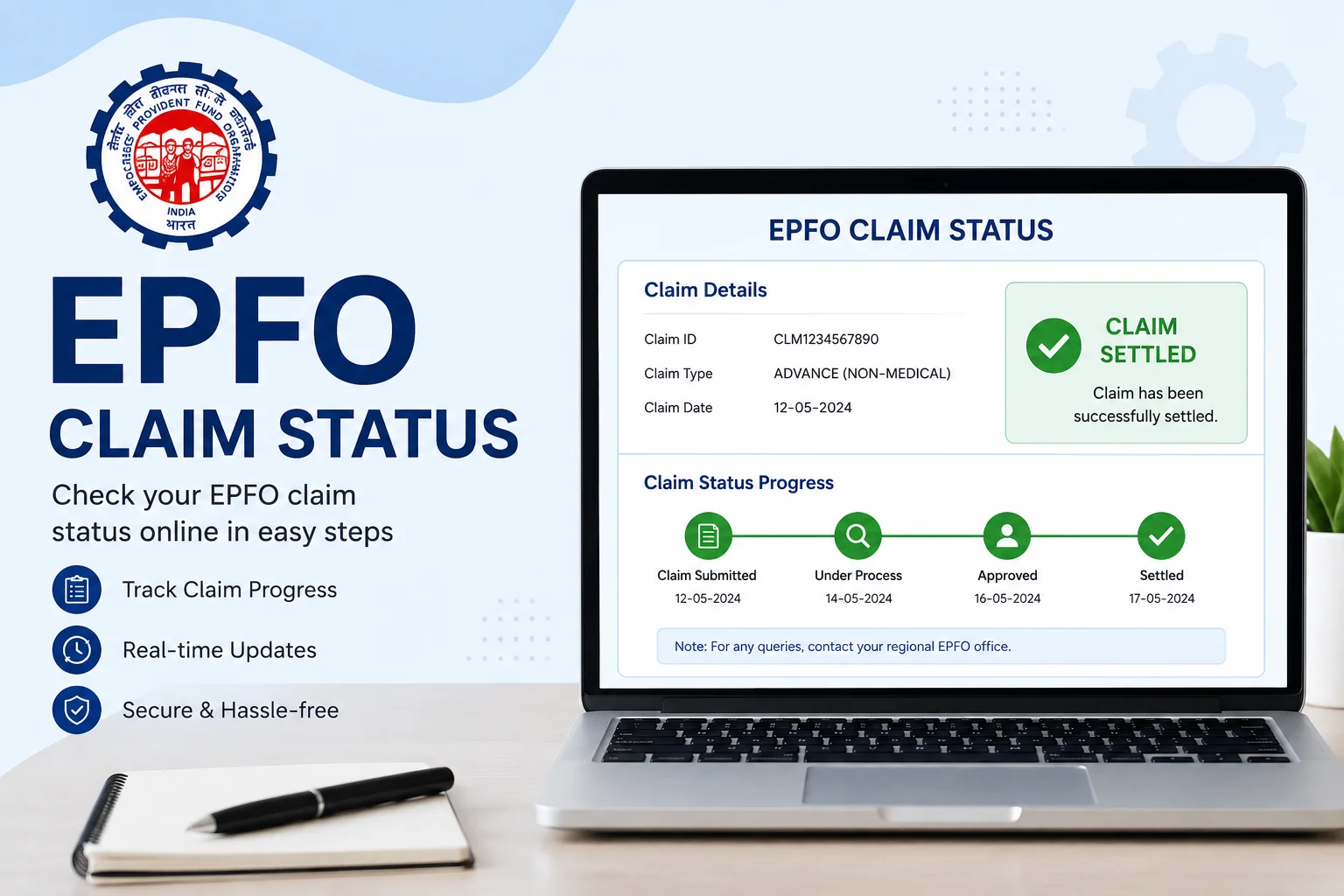
EPFO claim status refers to the current stage of a submitted request.
Claims may involve:
- PF transfers
- Withdrawals
- Settlements
- Corrections
- Other account-related requests
Tracking claim status helps employees understand where their request stands within the processing cycle.
Typical claim status stages
Most requests progress through a series of stages.
Submitted
The request has been successfully lodged.
Under processing
Verification and administrative reviews are underway.
Approval stage
The request is being evaluated for final authorisation.
Settled
The claim has been processed successfully.
Understanding these stages helps employees interpret status updates more effectively.
How claim tracking reduces uncertainty
One of the biggest concerns among recently resigned employees is not knowing whether a request has been processed.
Tracking claim status provides:
- Greater transparency
- Better visibility
- Early warning of delays
- Improved confidence
Rather than relying on assumptions, employees can monitor progress directly.
Common concerns after leaving a job
Is my PF money safe?
Provident fund savings remain associated with the employee's account and can generally be tracked through official systems.
What if my balance does not appear immediately?
Recent updates may require processing time before becoming visible.
Why is my claim taking longer than expected?
Verification procedures and administrative reviews can sometimes extend timelines.
Can I monitor both claims and balances?
Yes. Monitoring both provides a more complete understanding of account activity.
Best practices for managing PF after a job change
Keep records organised
Maintain copies of relevant account documents and transaction confirmations.
Monitor balances regularly
Periodic reviews help identify issues early.
Track all submitted claims
Continue monitoring until final settlement is confirmed.
Verify personal details
Accurate information supports smoother processing.
Review account activity after transfers
Ensure balances appear correctly following account movements.
Mistakes employees often make
Many individuals unintentionally create complications by:
- Ignoring claim updates
- Assuming transfers are complete without verification
- Forgetting login credentials
- Failing to review balances after job changes
- Delaying corrective actions
Avoiding these mistakes improves overall account management.
Long-term importance of PF visibility
Provident fund savings often accumulate over decades of employment.
Maintaining visibility helps employees:
- Plan retirement goals
- Estimate future financial security
- Verify savings growth
- Identify account issues early
- Improve financial awareness
Consistent monitoring supports stronger long-term planning.
Conclusion
Your PF money remains an important financial asset even after changing jobs. Understanding how to track EPFO claim status and perform a PF balance check can provide reassurance during employment transitions and help ensure that your savings remain secure. By reviewing balances regularly, monitoring claim progress, and maintaining accurate account information, employees can stay informed about their provident fund savings and manage their retirement planning with greater confidence.