Sign up with Google
 Sign in with Zoho

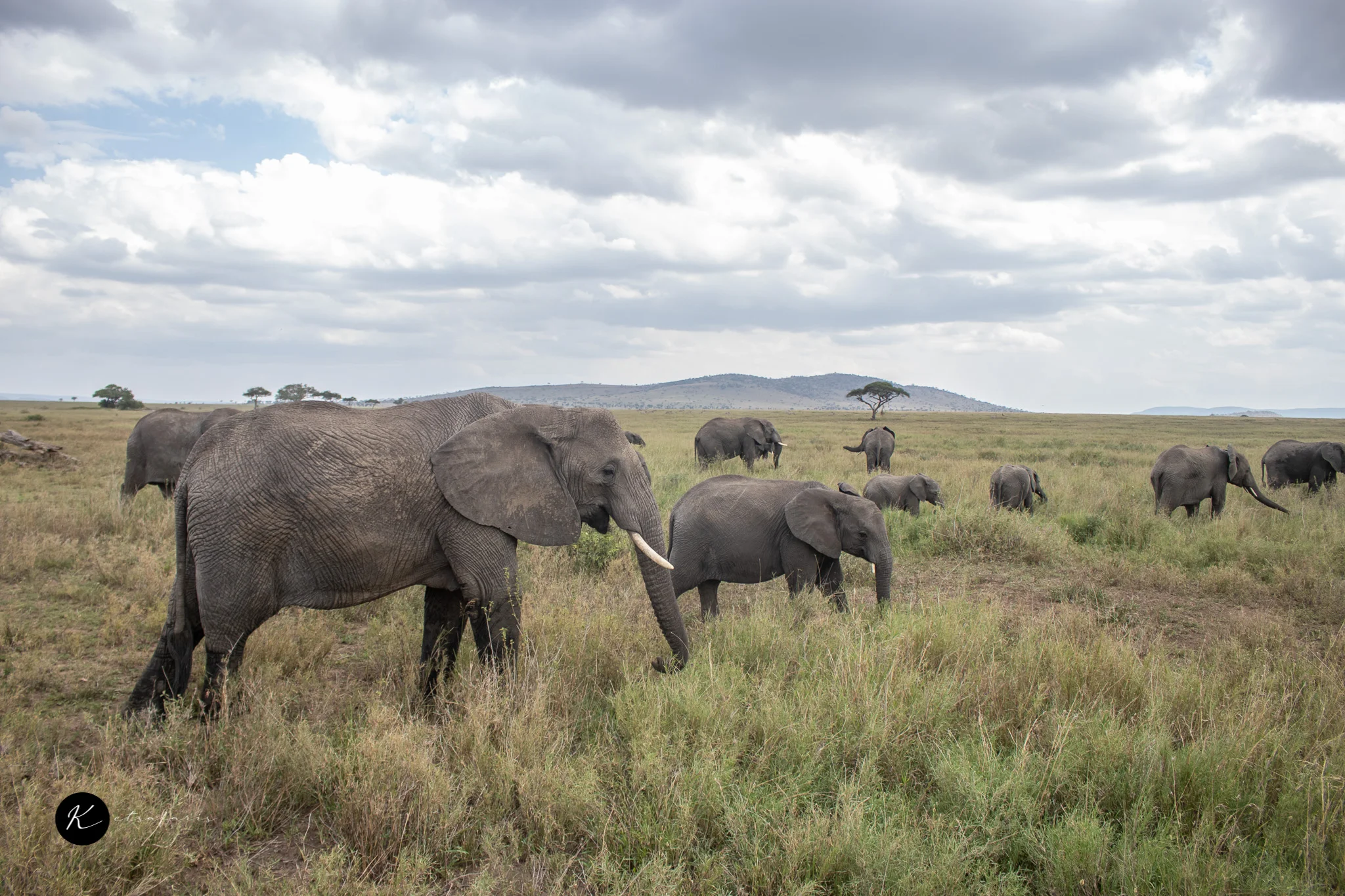
Few wildlife events match the scale of the Great Migration. Each year, well over a million wildebeest, along with zebra and gazelle, move across the plains between Tanzania’s Serengeti and Kenya’s Masai Mara, chased by some of Africa’s most skilled predators. Watching it in person takes some planning, because the right month and the right camp can make or break the trip. This guide covers when to travel in 2027, how the river crossings work and where to base yourself.
What Is the Great Migration?
A Never-Ending Cycle
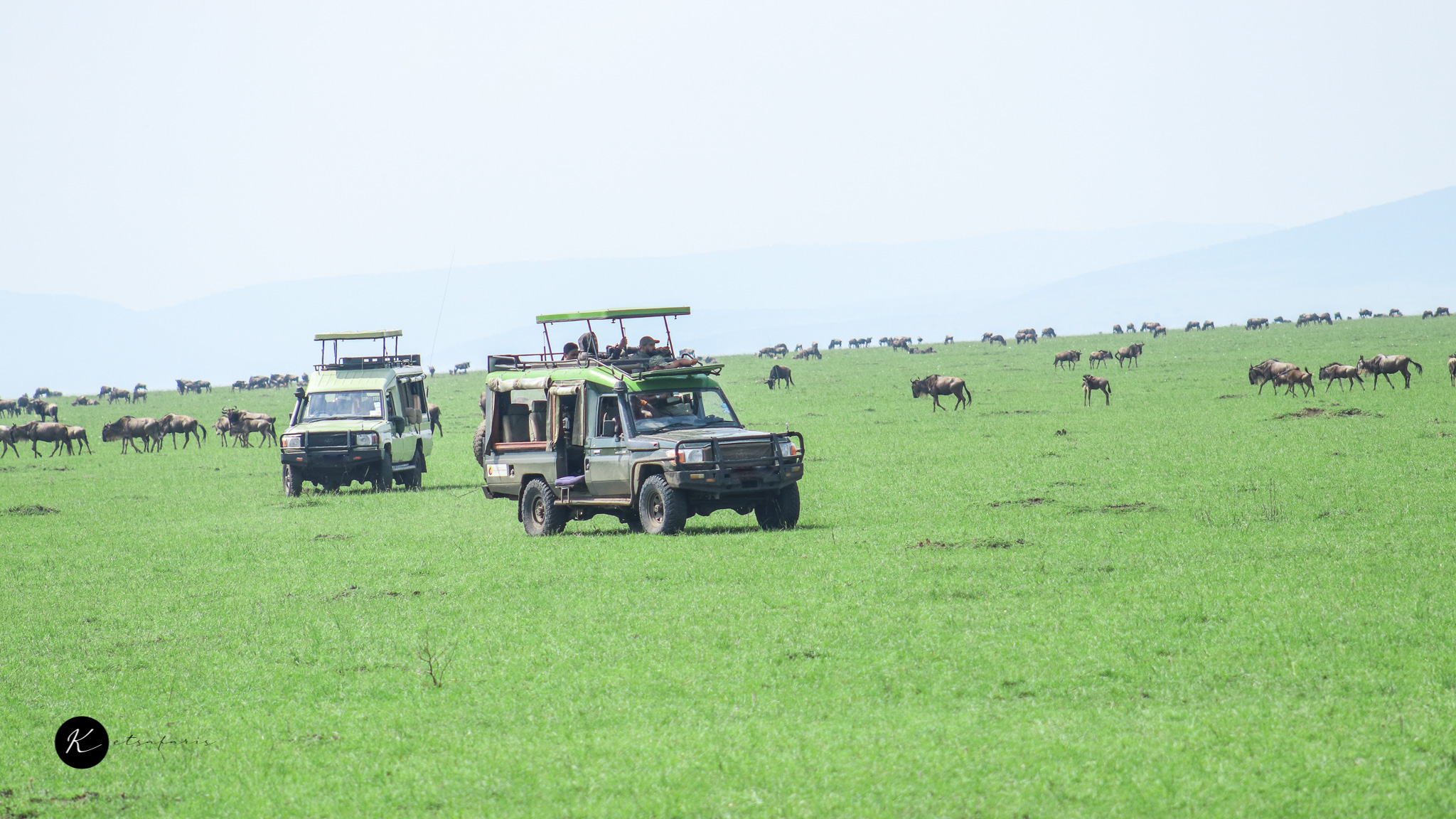
The migration has no real start or finish. The herds follow the rains and the fresh grass that comes with them, travelling in a huge loop through the Serengeti-Mara ecosystem. Calves are born in the southern Serengeti early in the year, and as the land dries, the animals drift north in search of new grazing.
When the Herds Reach Kenya
Most of the herds cross into the Masai Mara from around July and remain until the grass thins in autumn. Lions, leopards, cheetahs and hyenas gather nearby, so the action is constant. Rainfall controls the herds, which means no operator can guarantee dates, but if your schedule is tight, a 3-day Masai Mara safari is an efficient way to reach the reserve while the animals are on the Kenyan side.
Best Months to See the Migration in 2027
July to September: Peak Season
This is the most dependable window for large herds and river crossings. The weather is mostly dry, tracks are easier to drive and the wildlife clusters around water. It is also the busiest and priciest time of year, so early booking is wise.
October and Early November
As the herds turn back towards Tanzania, you can still see big gatherings and the occasional crossing, usually with fewer vehicles around. Short rains can begin late in the season and make some tracks muddy, but the landscape turns a lovely green.
Outside the Migration Months
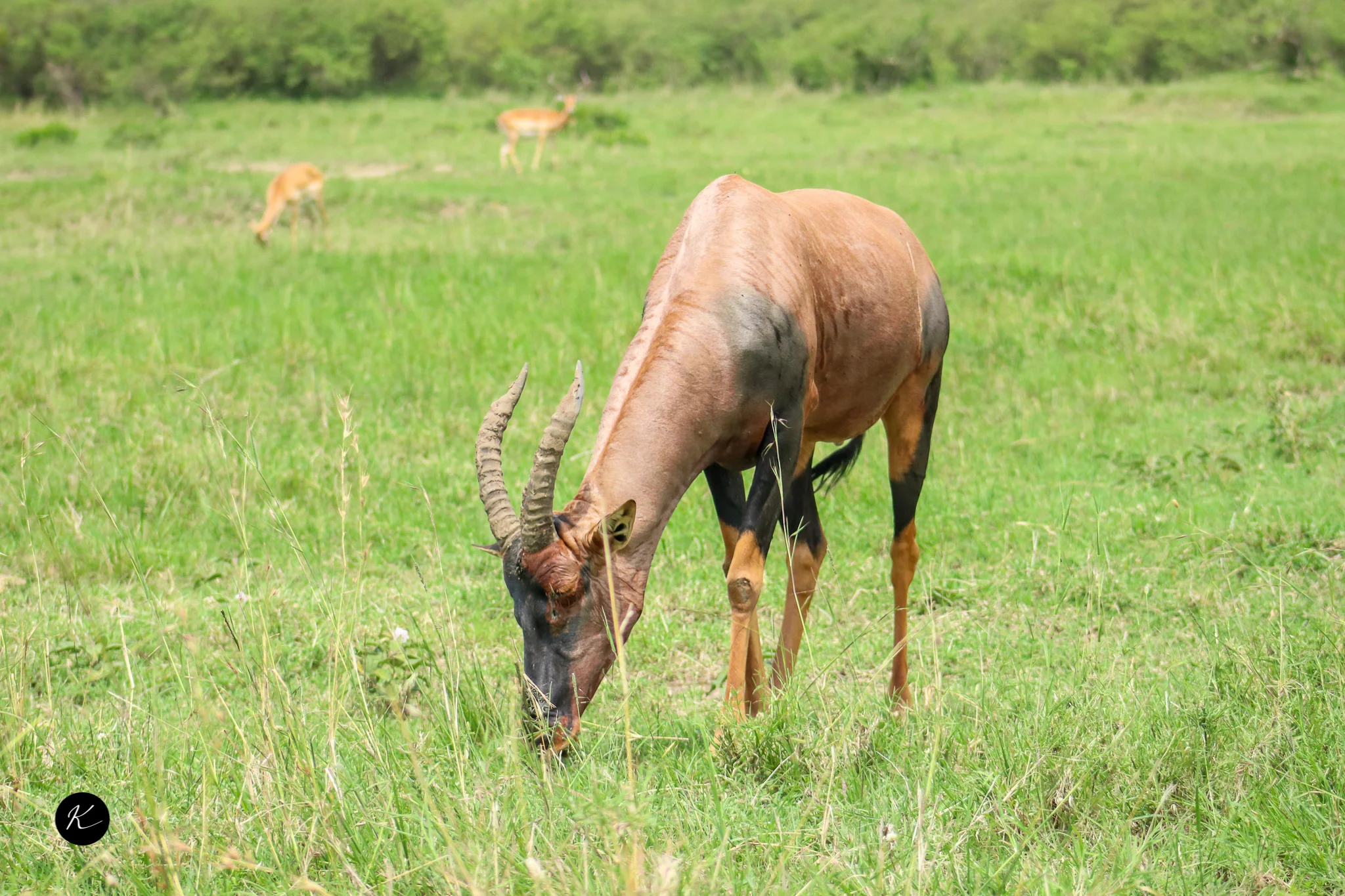
From January to June, you will not see the great herds in the Mara. You will still find resident lions, elephants, giraffes and cheetahs, along with calmer game drives and lower rates. It suits visitors who care more about space and value than spectacle.
Mara River Crossings: What to Expect
What Happens at the River
The Mara River is the most dramatic part of the journey. Herds crowd the banks and often hesitate for hours until one brave animal plunges in and the rest follow in a frenzy. Crocodiles wait in the water, and the noise, dust and tension can be overwhelming. Nothing about a crossing is predictable, since a herd may go within minutes or turn away and try again days later.
Tips for Watching a Crossing
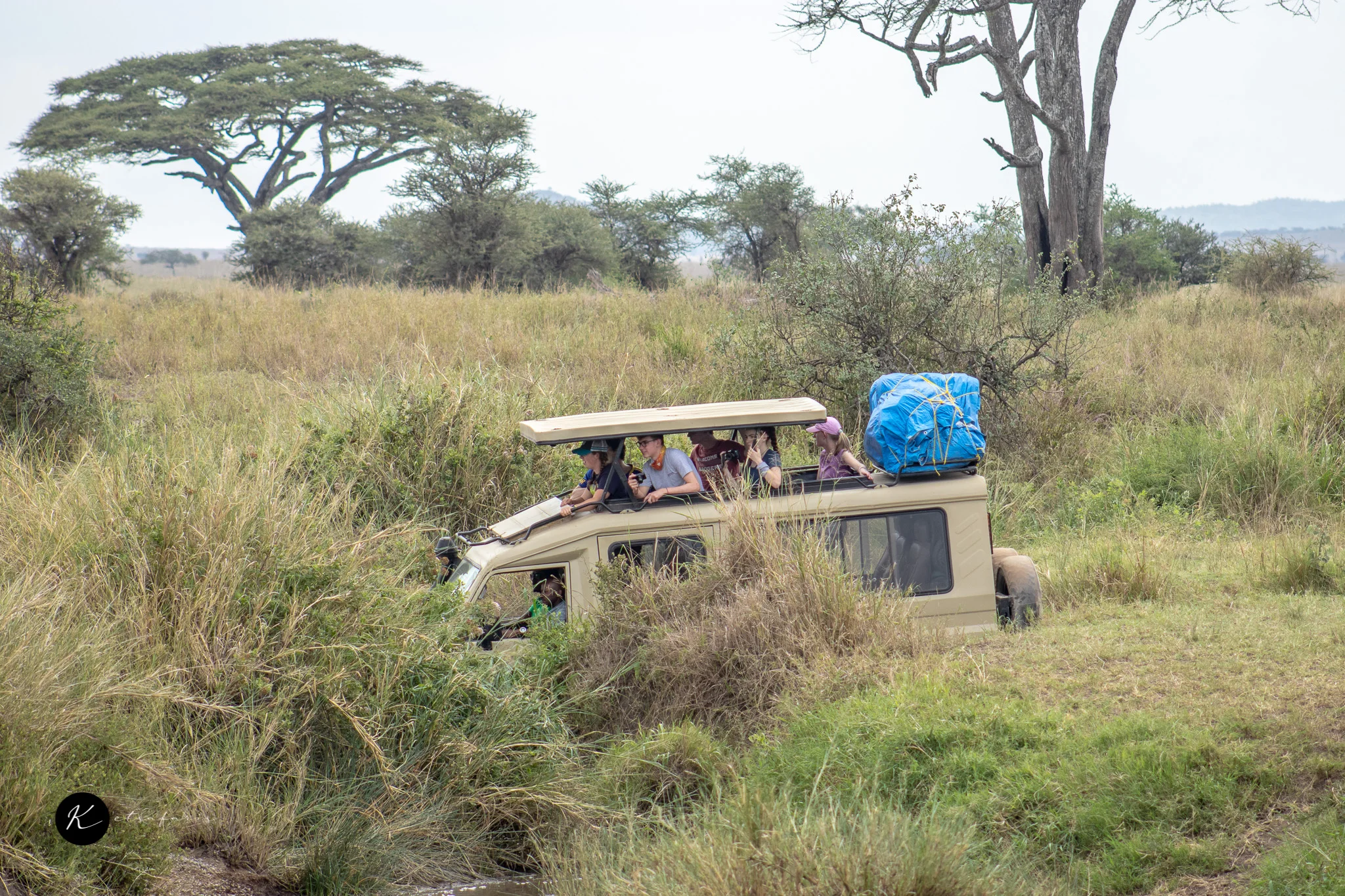
Ask your guide to park early, because the best viewing points fill up fast. Pack binoculars, snacks and plenty of water, as waiting is part of the experience. Keep quiet and stay seated, and make sure your driver keeps a respectful distance so the animals are never pushed to cross before they are ready.
Where to Stay During the Migration
Inside the Reserve or in a Conservancy
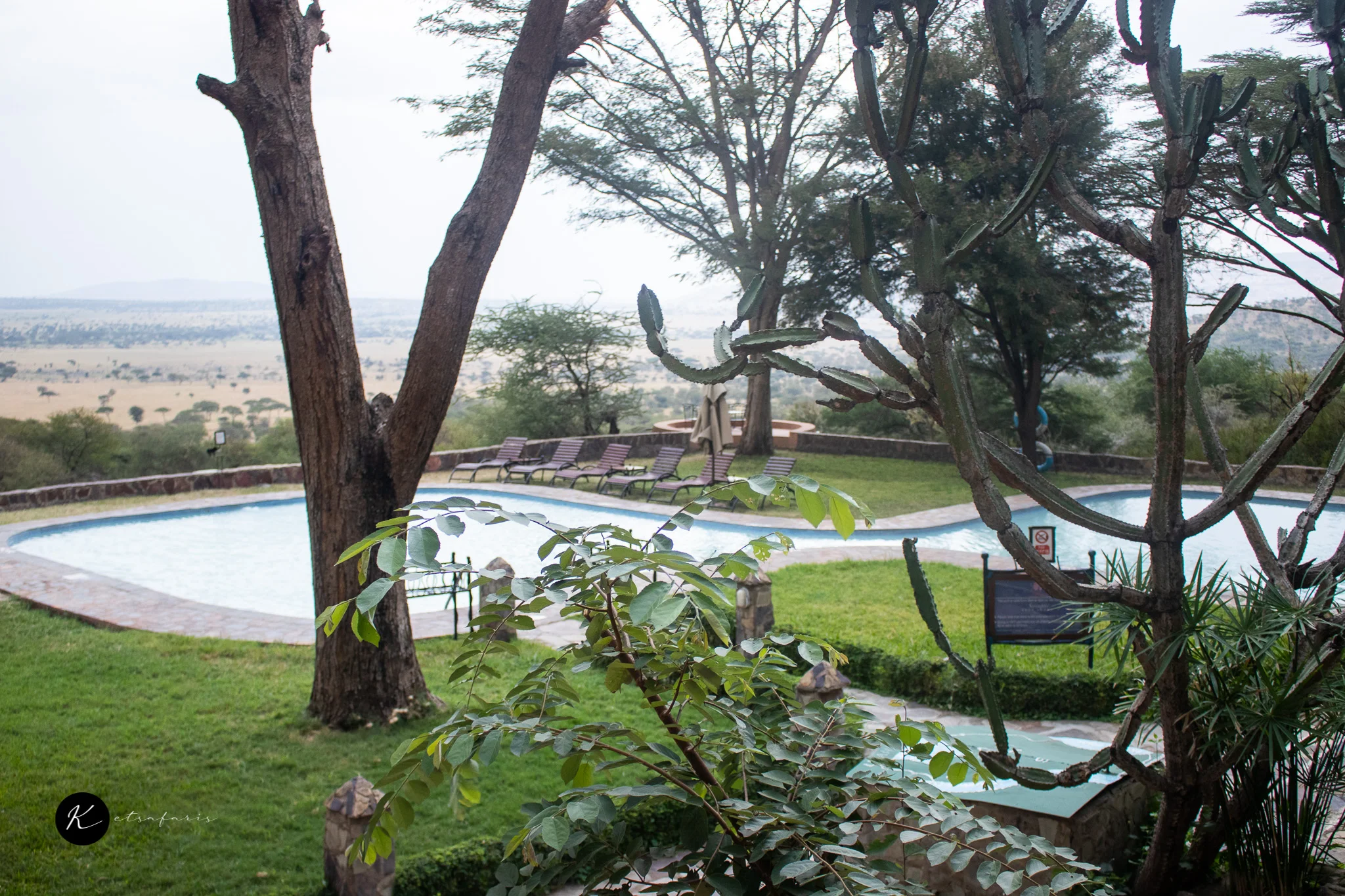
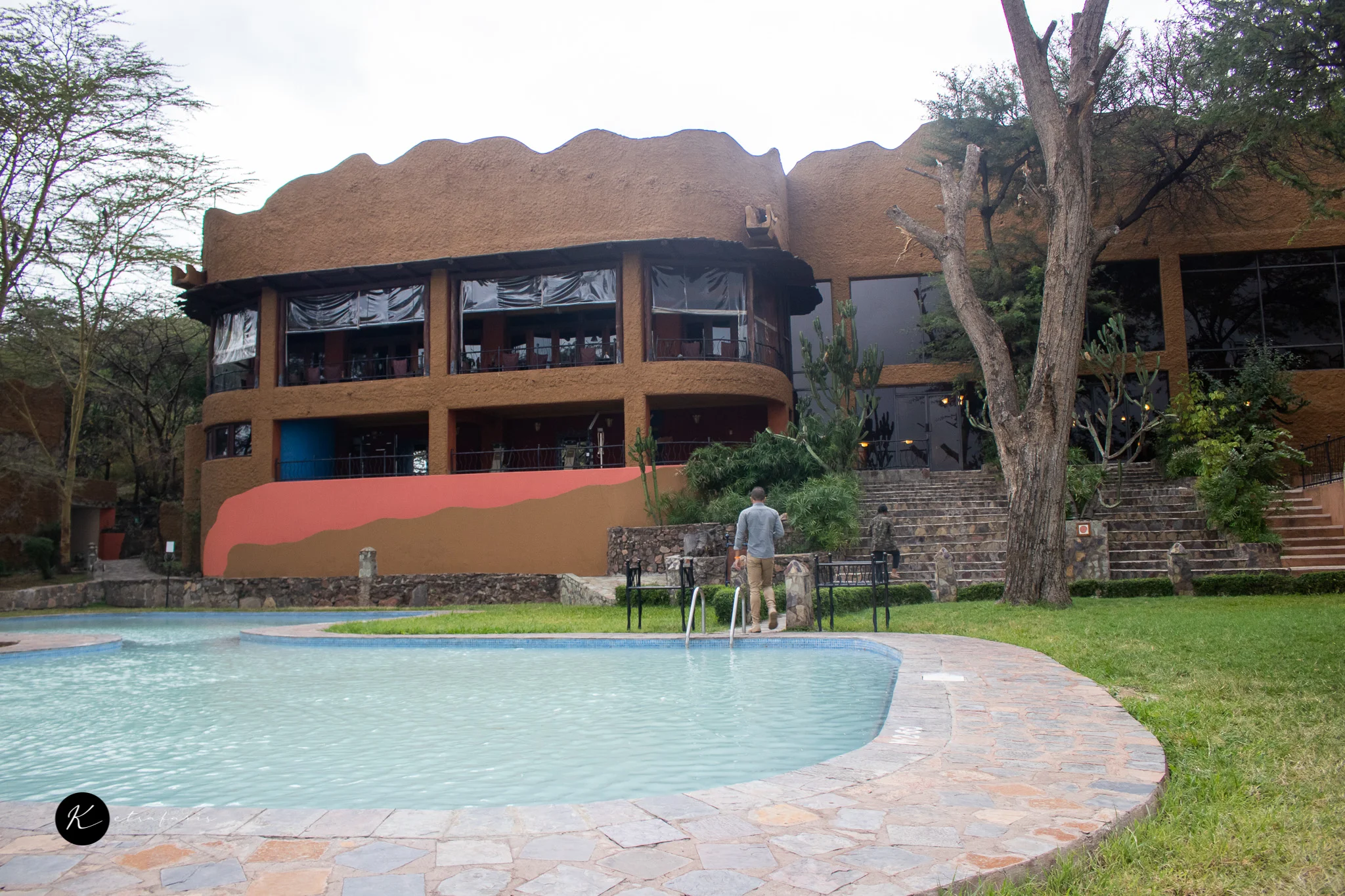
Camps within the Masai Mara National Reserve put you close to the main crossing areas, which reduces the time spent driving before each sighting. Conservancies along the reserve’s edge offer quieter surroundings, fewer vehicles and extras such as night drives and walking safaris. Decide whether easy river access or a more private atmosphere matters more to you.
Book Early and Compare Costs
Camps fill many months ahead for July to September, so lock in your dates as soon as you can. Prices change a great deal with comfort level and location, and our breakdown of Masai Mara accommodation prices shows how camping, mid-range and luxury options compare.
How Many Days Do You Need?
Three days gives you a solid taste of the Mara, but a longer trip raises your odds of seeing a crossing, since the herds follow their own timetable. Four or five days is a comfortable middle ground, and a week lets you add Lake Nakuru, Lake Naivasha or Amboseli. Allow for transfers as well: the drive from Nairobi takes roughly five to six hours, while flying takes about 45 minutes.
Final Thoughts
Seeing the Great Migration comes down to three decisions: travel between July and September, choose a camp that suits your budget and stay long enough to give the herds a chance to perform. Get those right, and you will have the best possible shot at one of the planet’s greatest wildlife spectacles.