Sign up with Google
 Sign in with Zoho

Two Kenya safari quotations can look almost identical at first. Both might include the Maasai Mara, a few nights in a safari camp, and daily game drives. Yet one costs considerably more than the other. The difference often comes down to where you sleep, how you travel between destinations, and what is included once you arrive.
For some travellers, a comfortable bed and a good guide are all they need. Others would rather spend more on a private vehicle, a camp overlooking the plains, or a shorter journey between parks. There is no single right way to plan a safari, but knowing where the money goes makes it easier to choose one that suits your trip.
What Makes One Kenya Safari More Expensive Than Another?
The biggest differences are usually accommodation, transport, and the number of services included in the price. The route matters, too. A safari covering several parks over a few days will have different costs from a longer stay in one wildlife area.
Where You Stay Makes a Difference
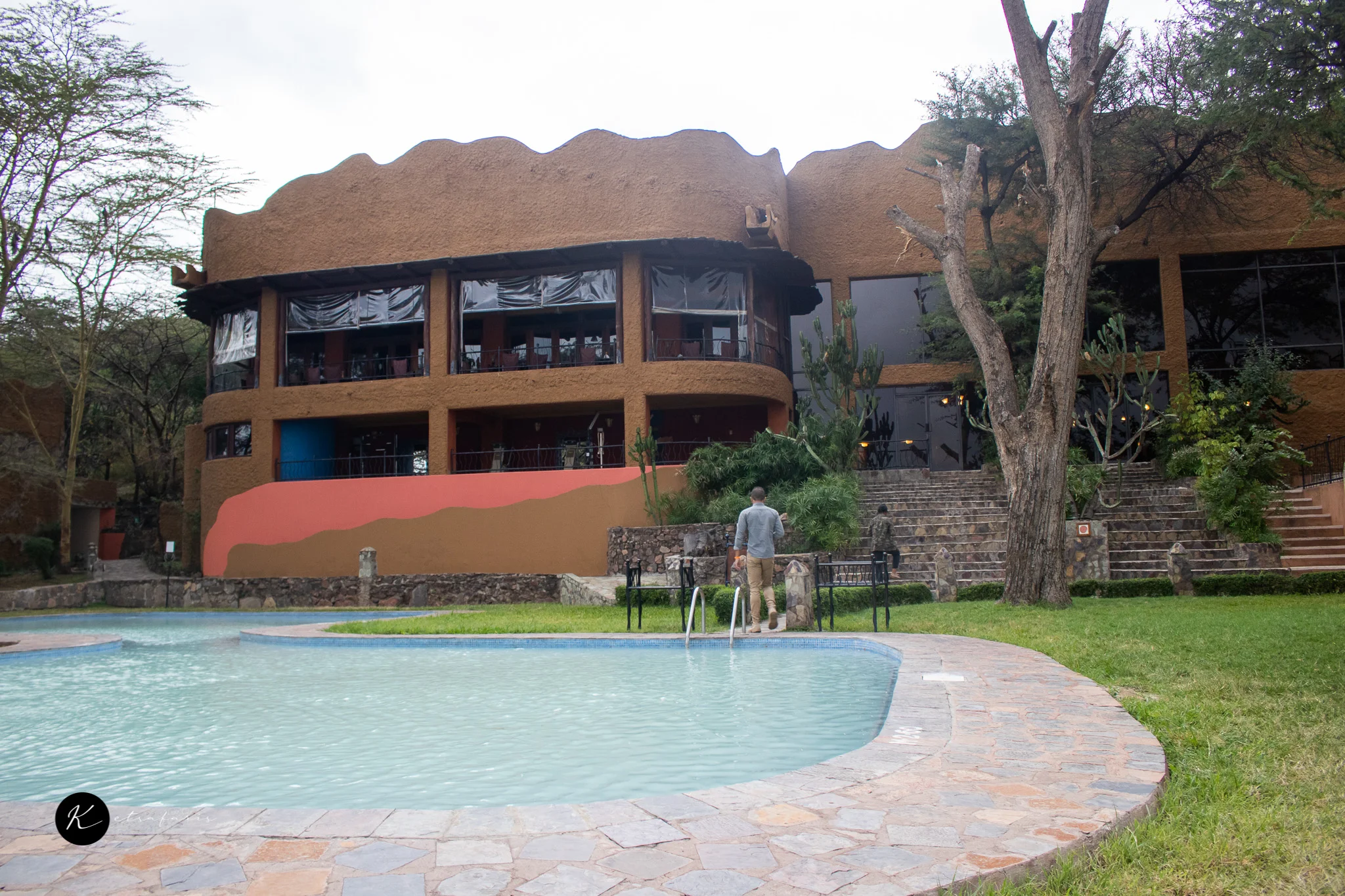
Accommodation is one of the first things worth checking when comparing safari prices. Budget trips may use simple lodges or camps with clean rooms and basic facilities. They can be perfectly suitable for travellers who spend most of the day out on game drives.
Mid-range camps generally offer more room comfort, private bathrooms, and a few extra conveniences. Luxury properties may have spacious tented suites, private verandas, carefully prepared meals, and staff who take care of the small details throughout the stay.
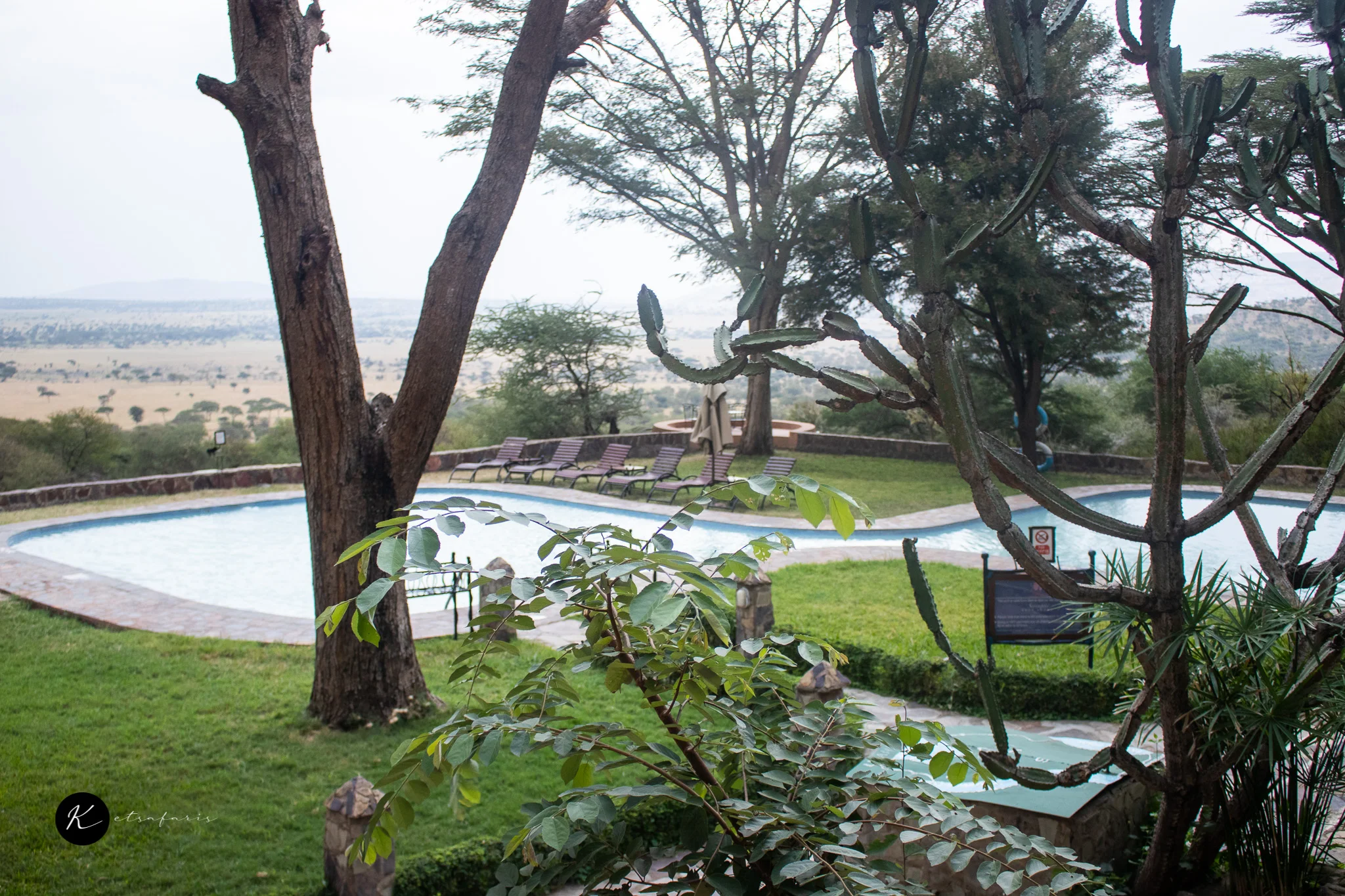
Location deserves just as much attention as the room itself. A camp close to a wildlife area may cost more, but it can save time getting to game-drive locations. Ask for the actual name of the camp or lodge before comparing prices. Labels such as budget, mid-range, and luxury can mean different things from one property to another.
The Cost of Getting Around
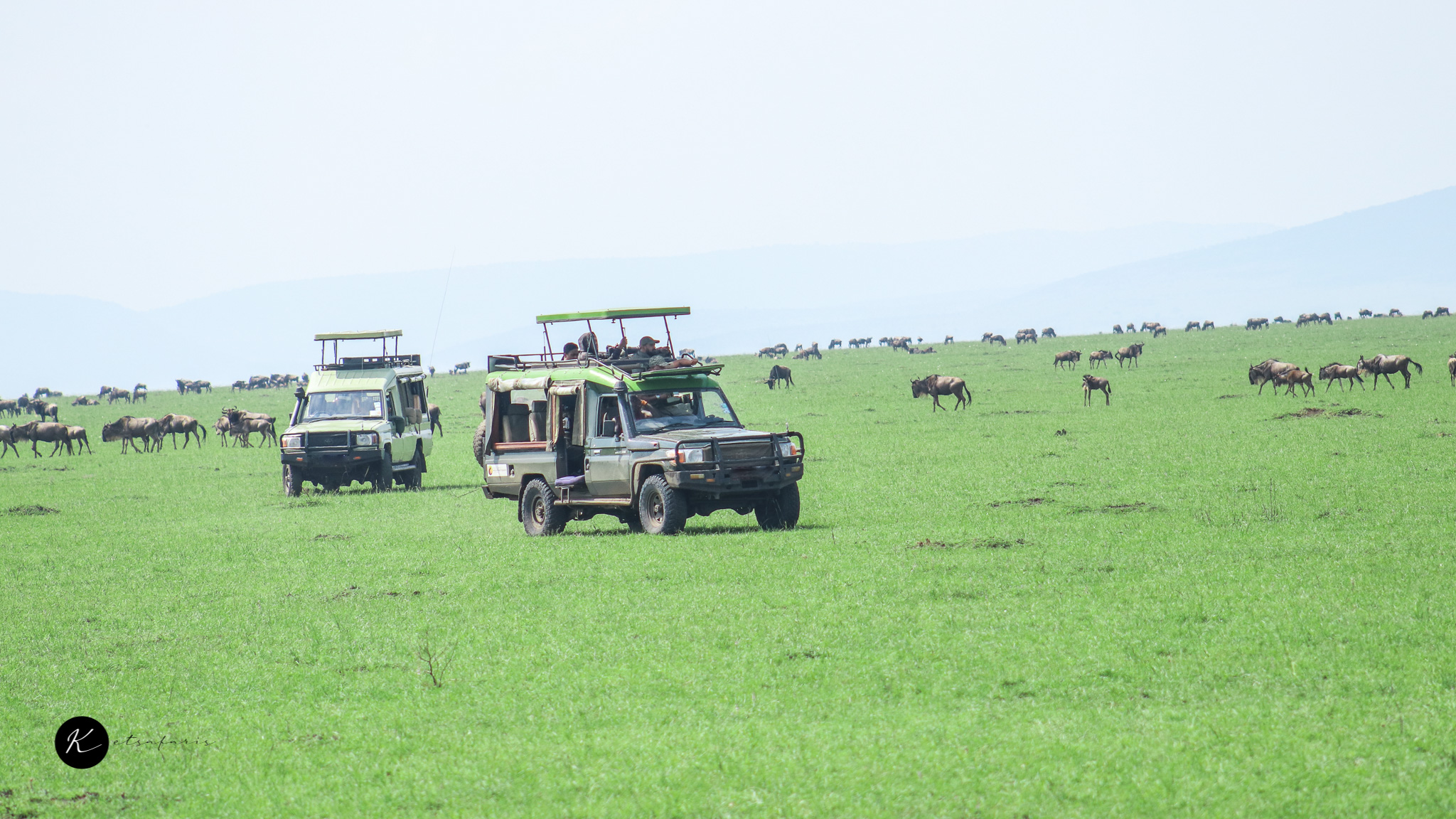
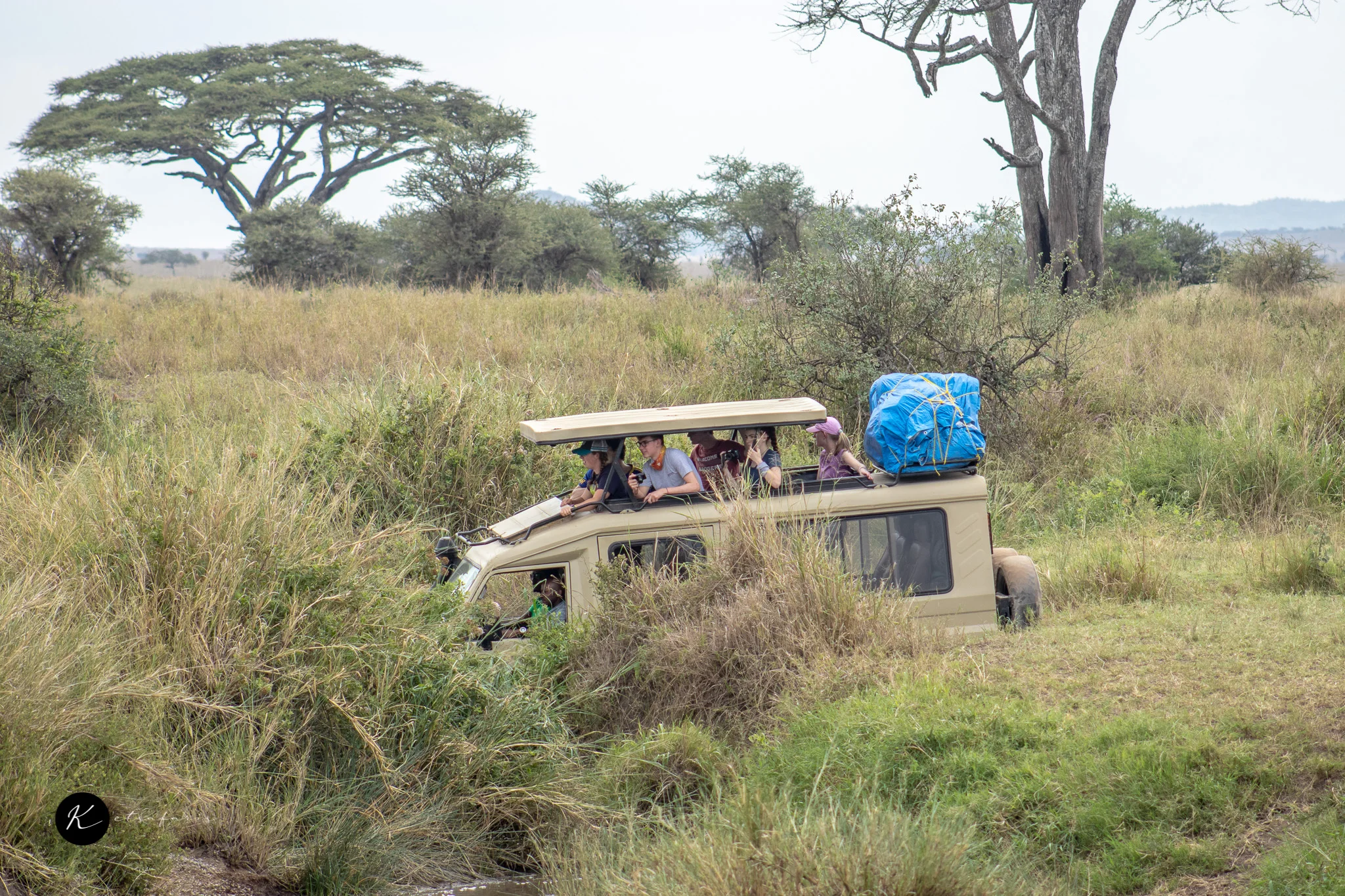
Kenya's parks are spread across a large area, and travelling between them can take several hours. Most road safaris use four-wheel-drive vehicles suited to rough tracks and wildlife viewing.
On a shared safari, transport costs are divided among the group. This usually makes the trip more affordable, although departure times and game drives follow a shared schedule. A private safari gives your group its own vehicle and guide, allowing more flexibility over how you spend time in the park.
Fly-in safaris are another option, especially for travellers who want to reach a remote camp without a long road journey. The flights can save valuable time, but air transfers and baggage restrictions need to be factored into the budget.
What Do You Get at Each Safari Price Level?
The difference between budget, mid-range, and luxury travel is not simply the number of animals you might see. Wildlife sightings are never guaranteed, regardless of the price. What changes is the comfort, privacy, and convenience surrounding the trip.
Budget Safaris: Spend More Time on Wildlife, Less on Extras
Budget safaris suit travellers who would rather put their money towards visiting Kenya's parks than paying for premium accommodation. Rooms are usually simpler, and game drives may be shared with other visitors.
The details still matter. Check the size of the group, whether meals are included, how far the accommodation is from the park, and whether park entry fees are covered. A low starting price can become less attractive if several essential expenses have to be paid separately.
A straightforward safari with a good guide and a sensible itinerary can be a rewarding trip without expensive extras.
Mid-Range Safaris: Comfort Without Going Overboard
For many travellers, mid-range accommodation strikes a useful balance. Rooms or tents are generally comfortable, meals may be included, and the itinerary can provide a good amount of time for wildlife viewing without the cost of a premium lodge.
This category is worth considering for couples, families, and first-time safari visitors who want a comfortable place to return to after an early start in the bush.
Look beyond the label when comparing options. One camp may offer a particularly good location, while another may include more meals or activities in its rate. The actual details tell you more than the category name.
Luxury Safaris: Paying for Privacy and Service
Luxury travel makes sense for people who place a high value on comfort, privacy, and convenience. Depending on the property, that might mean a spacious tented suite, attentive service, excellent dining, or a setting close to wildlife-viewing areas.
Some itineraries also include private game drives or domestic flights, although these should never be assumed. They can add considerably to the price when charged separately.
When comparing luxury safari accommodation and inclusions, check what the quoted rate actually covers. A premium room does not automatically include private transport, drinks, special activities, or every transfer.
Paying more can make a trip more comfortable, but it does not guarantee better wildlife sightings. The best reason to choose luxury is that the added comfort and service matter to you.
Which Extra Costs Are Easy to Overlook?
The advertised package price does not always cover every part of a holiday. Before booking, ask for a breakdown so you know what you will pay in addition to the main rate.
Park Fees, Meals and Activities
Park and reserve entry fees can make up a substantial part of the total, particularly on trips that visit several destinations. Confirm that the fees for every planned park are included and ask whether any additional conservation charges apply.
Meals are another point to check. Some packages include full-board dining, while others cover only certain meals. Drinks, laundry, guided walks, boat trips, and cultural visits may carry separate charges.
It is better to clarify these details before departure than to find out about them during the trip.
Transfers, Flights and Personal Expenses
Airport transfers and domestic flights may be included in one quotation but excluded from another. If your itinerary involves small aircraft, ask about luggage limits and any additional transfer arrangements.
Tips, travel insurance, personal purchases, and international flights can also affect your overall holiday budget. These expenses may not appear in the safari price, but they are still part of planning the trip.
How Should You Compare Safari Quotations?
Start by comparing like with like. Check the accommodation names, number of nights, route, vehicle arrangements, and meals. Then look at park fees, transfers, flights, and optional activities.
Ask whether game drives are private or shared and how much time is allocated to each destination. A cheaper itinerary that rushes through several parks may not suit someone who wants long, unhurried mornings watching wildlife.
Cancellation terms and payment conditions deserve attention as well. A clear written quotation should explain what is included, what is excluded, and when payments are due.
Which Kenya Safari Is Right for Your Budget?
Think about what you would notice most if you spent less. If a simple room would not bother you because you plan to be out on game drives most of the day, a budget safari may be enough. If you prefer more comfort after long journeys, a mid-range camp could be worth the extra cost. Private transport and premium accommodation may justify a luxury budget for travellers who value flexibility and personal service.
Season and availability also influence prices. Popular camps can be expensive during busy travel periods, while rates at some properties may be lower at quieter times. Savings depend on the dates, destination, and accommodation available.
You can compare Kenya safari itineraries to see which routes and trip lengths fit your plans.
In the end, a good safari is not about choosing the most expensive package. It is about knowing what matters to you, understanding what the price includes, and allowing enough time to enjoy Kenya's wildlife without feeling rushed.