Sign up with Google
 Sign in with Zoho

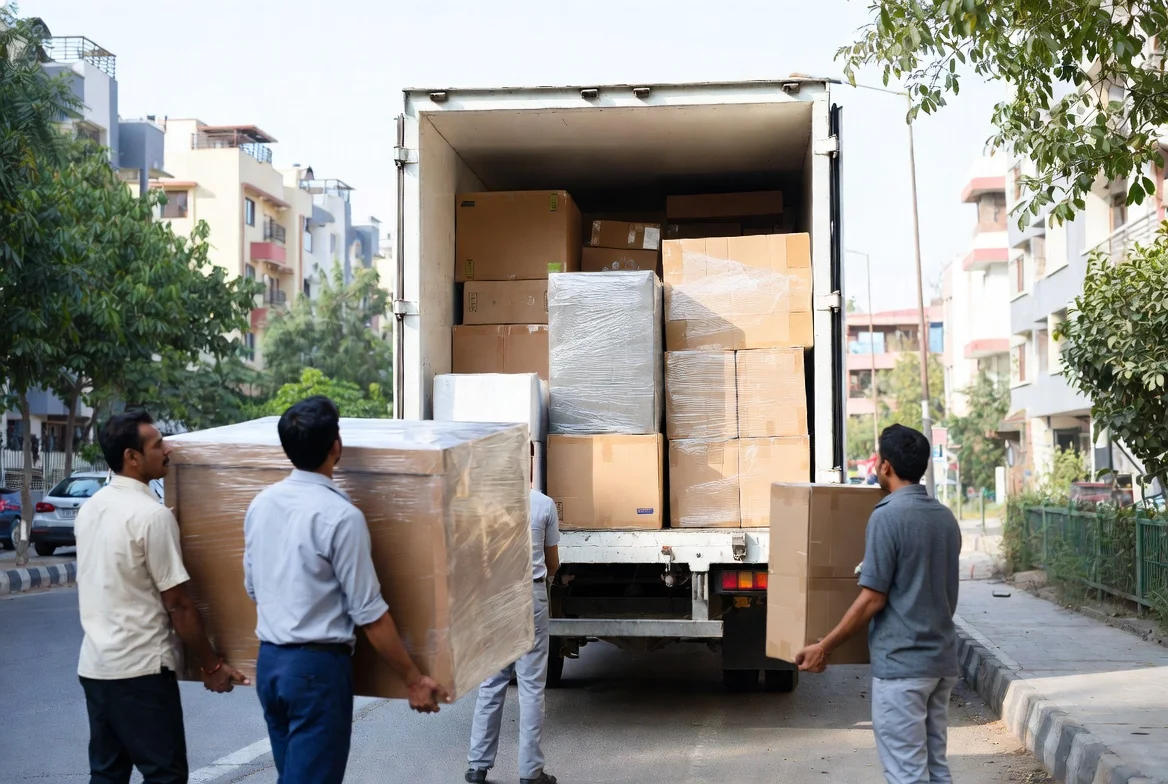
Home relocation involves several interconnected activities, including inventory preparation, furniture dismantling, packaging, vehicle allocation, transportation, and unloading. When these activities are poorly coordinated, even a short-distance move can extend beyond the planned schedule. In a busy metropolitan area like Bangalore, traffic congestion, apartment access restrictions, and limited loading windows can create additional delays. Professional Packers and Movers in Bangalore use structured relocation schedules, workforce allocation, and transportation planning to minimise operational downtime and complete household moves more efficiently.
6 Operational Strategies to Minimize Downtime During Home Relocation
1. Conducting a Pre-Move Survey and Inventory Assessment
A pre-move survey helps determine the resources required before the actual relocation date. Instead of estimating the workload on moving day, relocation teams assess the number of household items, furniture dimensions, appliance requirements, and property access conditions in advance.
The assessment generally covers:
- Total number of cartons and estimated household volume.
- Dimensions of wardrobes, beds, sofas, and other bulky furniture.
- Appliances requiring specialized handling.
- Staircase, elevator, and entrance accessibility.
- Distance between the loading point and transportation vehicle.
An accurate inventory assessment allows the moving coordinator to estimate labour requirements, packaging materials, and vehicle capacity, reducing last-minute arrangements.
2. Using Parallel Packing and Dismantling Operations
Sequential packing can increase relocation time because each activity must finish before the next begins. A more efficient approach involves assigning separate teams to different household sections.
For example, one team of packers and movers in Bangalore can pack kitchen utensils and smaller belongings while another dismantles wardrobes and bed frames. A separate team may prepare electronics and fragile items using suitable protective materials.
Parallel operations help reduce idle time, provided that the teams have sufficient workspace and a clearly defined task allocation system.
3. Allocating the Right Workforce and Equipment
Labour allocation directly affects how quickly household belongings can be prepared and loaded. Too few workers can create bottlenecks, while an excessively large team may cause unnecessary congestion in smaller apartments.
Professional relocation coordinators consider:
- Number of household rooms and total inventory.
- Quantity of furniture requiring dismantling.
- Number of fragile or specialized items.
- Floor level and elevator availability.
- Loading distance and vehicle positioning.
Equipment such as furniture dollies, lifting straps, toolkits, and hydraulic handling systems can further reduce manual handling time when used appropriately.
4. Optimizing Vehicle Allocation and Transportation Routes
Vehicle selection should correspond to the estimated cargo volume, total weight, and dimensions of household belongings. An undersized vehicle may require additional trips, while an unsuitable vehicle may create difficulties accessing residential premises.
Route planning is equally important in Bangalore. Areas such as Whitefield, Electronic City, Sarjapur Road, Marathahalli, and Outer Ring Road experience varying traffic conditions depending on the time of day.
Moving coordinators should evaluate:
- Pickup and destination locations.
- Expected traffic congestion during transit.
- Commercial vehicle restrictions and access permissions.
- Road width and vehicle parking availability.
- Loading and unloading time slots.
Scheduling transportation outside peak congestion periods, where practical, can improve delivery predictability.
5. Coordinating Apartment Access and Loading Permissions
Apartment societies frequently have designated procedures for moving household goods. These may include prior management approval, service elevator reservations, protective floor coverings, and restricted loading hours.
Failure to arrange these permissions can delay the entire relocation process even when packing and transportation are ready.
Before moving day, homeowners should confirm:
- Elevator booking and permitted usage hours.
- Society entry and exit permissions.
- Loading bay availability.
- Vehicle parking arrangements.
- Security documentation requirements.
This coordination is particularly important when relocating between high-rise residential complexes.
6. Implementing Digital Inventory and Delivery Tracking
Inventory management becomes increasingly important when multiple teams handle different household sections. Digital spreadsheets, barcode labels, and item-wise checklists can help track cartons and furniture components throughout the relocation process.
Each package can be labelled according to its destination room, contents category, and handling requirements. The unloading team can then prioritise essential items and direct cartons to the correct rooms.
Digital communication between the moving coordinator, vehicle operator, and customer also helps provide timely updates about loading completion and estimated arrival.
Common Factors That Increase Relocation Downtime
Even a well-planned move can experience delays if operational problems are overlooked.
Identifying these issues before moving day helps relocation teams establish more realistic schedules.
How to Prepare for a Faster Household Relocation
Homeowners can also contribute to reducing downtime by completing a few tasks before the moving team arrives:
- Separate personal documents, jewellery, medicines, and essential belongings.
- Dispose of unnecessary household items before inventory preparation.
- Keep apartment access permissions ready.
- Identify furniture that requires dismantling.
- Inform the moving coordinator about oversized appliances and fragile belongings.
- Prepare a separate essentials carton for immediate use after relocation.
These preparations reduce unnecessary interruptions and allow the moving team to focus on packing, handling, and transportation.
Conclusion
Minimizing relocation downtime requires coordinated inventory assessment, parallel packing operations, appropriate workforce allocation, vehicle planning, and timely apartment access arrangements. Each operational stage influences the time required to complete the move. When evaluating home shifting in Bangalore services, customers should look beyond estimated transportation time and assess how effectively the moving company coordinates packing, loading, transit, and unloading. A properly structured relocation schedule helps reduce avoidable delays while maintaining control over household belongings.