Sign up with Google
 Sign in with Zoho

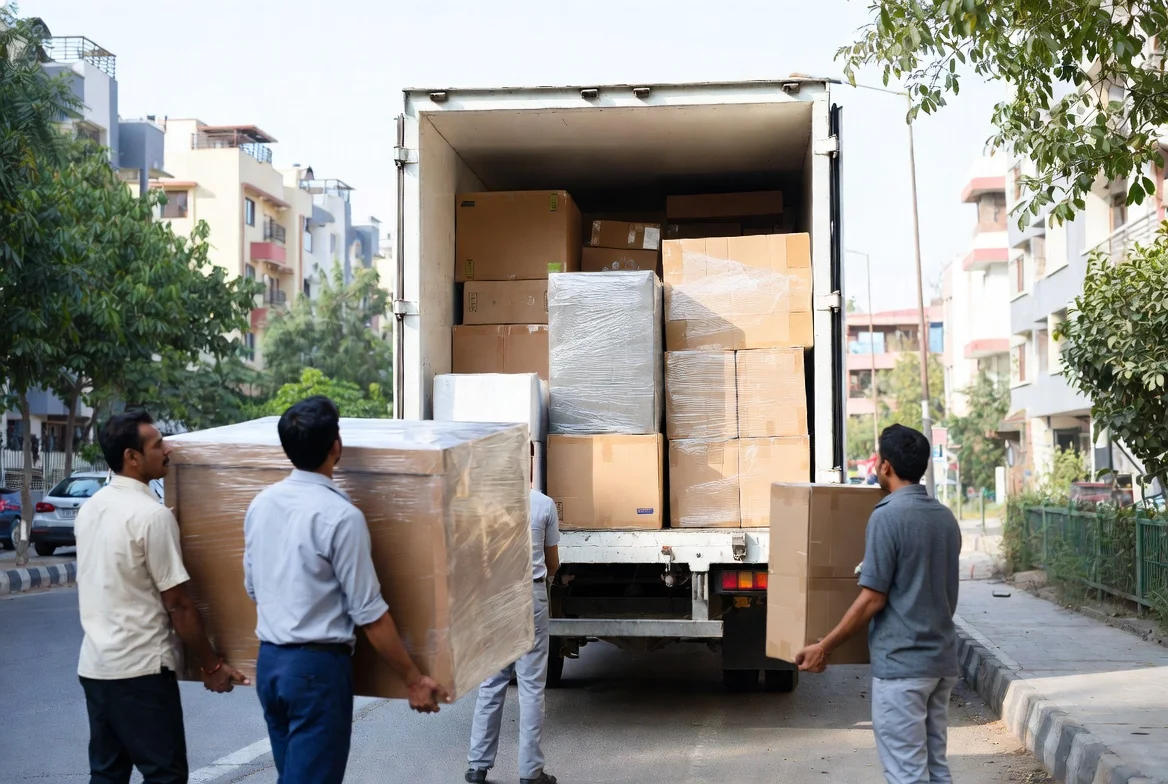
Wooden furniture often carries more than functional value. An old teak cupboard may have sentimental importance, a carved dining table might be a family heirloom, and antique chairs can feature delicate joints that are difficult to repair. Moving such belongings requires more attention than simply wrapping them in protective sheets and loading them onto a truck. Different wood finishes, structural conditions, and decorative details call for specific handling methods. Homeowners planning a relocation with packers and movers in Lucknow should understand how wooden belongings need to be inspected, prepared, packed, and transported to minimize avoidable damage.
Before Packing Begins: Understand What You Are Moving
Not every wooden item requires the same protection. A recently purchased engineered-wood cabinet and a decades-old solid teak chest have different vulnerabilities.
Start by identifying the furniture according to its material, condition, and construction.
This initial assessment helps determine whether an item can be moved as it is or needs partial dismantling.
The Packing Room: Four Details That Deserve Attention
1. Preserve the Original Polish and Surface Finish
Polished wooden surfaces can develop scratches when they come into contact with rough packaging materials, metal fittings, or neighbouring furniture.
Use soft protective blankets or suitable non-abrasive wrapping. Avoid applying adhesive tape directly to polished wood, especially when the finish is old or delicate.
For antique pieces, test any protective material on an inconspicuous area before using it across the entire surface.
2. Don't Dismantle Every Piece of Furniture
Disassembly makes certain furniture easier to transport, but it is not always the safest option.
For example, an old wooden chair with weakened joints may become unstable if its components are repeatedly separated and reassembled.
Which items should be dismantled?
- Beds with removable frames and headboards.
- Tables with detachable legs.
- Modular wooden cabinets.
- Wardrobes with removable shelves.
Which items may be better transported intact?
- Antique chairs with delicate joints.
- Carved decorative furniture.
- Older cabinets with fragile fittings.
- Pieces whose construction makes dismantling risky.
The decision should depend on the furniture's structural condition rather than convenience alone.
3. Protect Carvings, Corners and Protruding Details
Decorative wooden furniture often features curved edges, carved handles, raised patterns, and ornamental legs. These areas are more exposed to accidental impact during handling.
Give them individual cushioning instead of wrapping the entire piece tightly in a single layer.
Pay particular attention to:
- Chair arms and decorative backrests.
- Cabinet handles and mouldings.
- Table corners and projecting legs.
- Carved borders and ornamental panels.
For especially valuable pieces, discuss custom crating or additional protective support with the packing team.
4. Keep Small Fittings Together
A common problem during furniture relocation is losing screws, hinges, handles, and other detachable components.
Remove loose fittings where appropriate and place them in labelled bags. Attach the bags securely to the corresponding furniture or keep them together in a clearly identified hardware carton.
Photograph complicated assemblies before dismantling them. These reference pictures can make reassembly easier at the destination.
What Can Go Wrong During Transportation?
Even properly packed wooden furniture can be damaged if loading and unloading are poorly managed.
<escape>Three situations worth avoiding:</escape>
- Excessive stacking: Placing heavy cartons on delicate wooden surfaces can cause dents, pressure marks, or structural stress.
- Unsecured furniture: Large cupboards and tables can shift when a moving vehicle encounters sudden braking or uneven road surfaces.
- Moisture exposure: Rainwater, damp packaging, and prolonged exposure to moisture can affect wooden surfaces and certain engineered-wood panels.
A useful precaution is to ensure that furniture is properly secured and kept away from direct contact with wet floors or exposed vehicle surfaces.
Antique Furniture Needs a Different Level of Care
When moving valuable or historically significant wooden pieces, ordinary household packing may not be sufficient.
Consider arranging a separate assessment for:
- Furniture with existing cracks or repaired joints.
- Pieces with delicate veneer or inlay work.
- Antique cabinets with glass panels.
- Items with intricate carvings or unusual dimensions.
For particularly valuable antiques, professional restoration or conservation advice may be useful before transportation. Avoid attempting repairs or applying polish immediately before packing without understanding how the existing finish may react.
Preparing for Delivery and Reassembly
The job does not end when the furniture reaches the destination. Unloading, positioning, and reassembly also influence its final condition.
Before signing off on the delivery, inspect the furniture under adequate lighting. Compare visible surfaces with the photographs taken before pickup and check whether all detachable components have arrived.
For a move within Gomti Nagar or to another part of Lucknow, it is also worth checking the destination room's dimensions, doorway width, and staircase access beforehand. This prevents unnecessary repositioning or repeated handling after delivery.
Conclusion
Antique and wooden furniture requires protection that considers its age, construction, finish, and structural condition. Careful inspection, appropriate wrapping, selective dismantling, and secure loading can reduce the chances of scratches, broken joints, and other transit-related problems. When arranging Packers and Movers In Gomti Nagar, discuss valuable wooden belongings separately so the packing and handling arrangements reflect their individual requirements.