Sign up with Google
 Sign in with Zoho

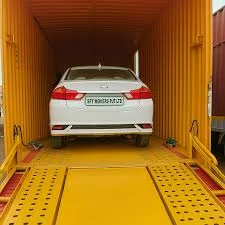
Modifying a car can involve considerable investment, whether it includes a new paint job, alloy wheels, aftermarket lighting, body kits, performance upgrades or a customized interior. However, transporting the vehicle after these changes requires additional attention. Even minor scratches, loose fittings or damaged accessories can become difficult to identify if the car's condition is not documented beforehand. When arranging car transport in Gurgaon, taking detailed photographs before handing over the keys can help establish the vehicle's existing condition and make delivery inspections easier. Here are eight important areas to photograph before dispatch.
8 Photographs to Take Before Handing Over Your Modified Car
1. Capture the Complete Exterior from All Four Sides
Start with a complete visual record of the vehicle. Take clear photographs of the front, rear, left and right sides, preferably in natural daylight.
These photographs help establish the overall appearance of the modified car before transportation. They can also highlight existing dents, scratches, paint differences and body alignment.
Don't miss:
- Front and rear bumpers
- Side skirts and extended body panels
- Modified grilles and spoilers
- Existing scratches and paint imperfections
Take a few wider photographs from different angles instead of relying on a single front-facing picture.
2. Document Aftermarket Alloy Wheels and Tyres
Custom alloy wheels are among the most noticeable modifications and can be expensive to replace. Photograph each wheel separately, ensuring that the rim edges, spokes and tyre sidewalls are visible.
If the vehicle has spacers, custom wheel caps or distinctive finishes, capture those details as well.
This record can help identify scratches or marks that were not present before transportation.
3. Photograph Modified Bumpers, Spoilers and Body Kits
Aftermarket body kits can change a vehicle's dimensions and ground clearance. Front splitters, rear diffusers, side skirts and extended spoilers may also have protruding edges that require additional care during loading.
Take close-up photographs of every modified section. Pay special attention to attachment points, mounting brackets and exposed edges.
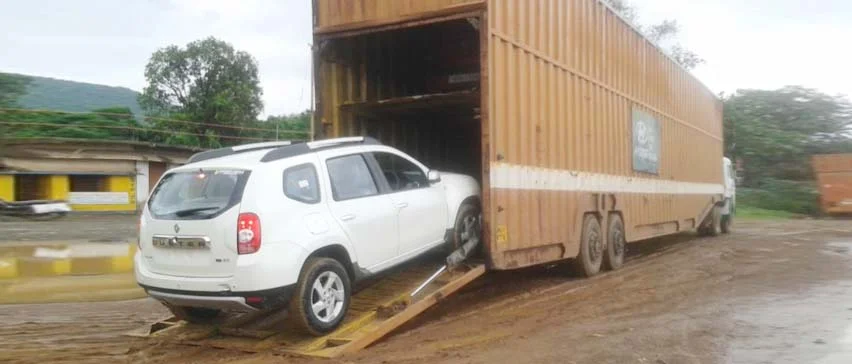
A useful tip: Photograph the underside of low-mounted body kits wherever safely accessible. These areas can be vulnerable when a vehicle is loaded onto a carrier or positioned near ramps.
When booking car transport in Gurgaon, inform the transporter about these modifications in advance. This allows the team to assess whether special loading arrangements are necessary.
4. Record the Paint Finish and Custom Graphics
A customised paint job, matte finish, vinyl wrap or decorative graphics deserves a separate photographic record. Unlike standard factory paintwork, certain aftermarket finishes require specific cleaning and handling precautions.
Capture:
- The bonnet and roof finish
- Door panels and quarter panels
- Custom stripes and decals
- Wrapped mirrors and door handles
- Any existing colour variations or imperfections
Avoid photographing the car under harsh artificial lighting, as reflections can hide minor surface marks. Clear, evenly lit images provide a more useful reference during delivery inspection.
5. Capture the Interior Modifications
Interior upgrades can include custom leather upholstery, ambient lighting, aftermarket infotainment systems, upgraded speakers and personalised dashboard components.
Take photographs of the front seats, rear seats, dashboard, centre console and door trims. If the vehicle has expensive audio equipment or customised controls, document those separately.
Remove loose valuables and detachable accessories before transportation. Keep them separately rather than leaving them inside the vehicle.
6. Photograph the Engine Bay and Performance Upgrades
Performance modifications deserve attention because they may involve additional components, wiring and specialised fittings. These could include aftermarket air intake systems, upgraded batteries, modified engine covers or additional electrical equipment.
Take clear photographs of the accessible engine bay without removing protective covers or disturbing any connections.
Document visible modifications and existing leaks or damage. If the vehicle has undergone major mechanical upgrades, maintain the relevant service and installation records separately.
It is also important to disclose any non-standard starting, braking or ground-clearance requirements before pickup. Never assume the transporter knows how a modified vehicle needs to be handled.
7. Record the Odometer Reading and Dashboard Indicators
Before handing over the car, switch on the ignition and photograph the instrument cluster. The image should clearly show the odometer reading and any warning indicators already displayed.
This creates a useful reference for checking the vehicle after delivery.
Also document:
- Fuel level
- Existing dashboard warnings
- Battery-related alerts
- Any unusual indicators or messages
If the car has electronic modifications or performance tuning, mention relevant operational details during the handover. Do not attempt to reset warning indicators simply to make the dashboard appear cleaner.
8. Take a Final Handover Video
Photographs are useful for individual components, but a continuous video can provide additional context.
Walk around the vehicle slowly, capturing the exterior, wheels, modified sections and interior. Include close-ups of existing damage and finish imperfections. Record the registration number and odometer reading as well.
Before completing the handover, make sure the video corresponds with the written vehicle inspection report.
What Else Should You Check Before Dispatch?
Apart from visual documentation, modified vehicles need a few additional checks before transportation.
- Confirm that all modifications are securely fitted.
- Remove personal belongings and loose accessories.
- Check whether the modified ground clearance is suitable for the carrier ramps.
- Inform the transporter about non-standard dimensions.
- Verify the insurance and vehicle registration documents.
- Obtain a written condition report and handover acknowledgement.
- Confirm the agreed transportation method and delivery arrangements.
For low-ground-clearance vehicles, ask whether suitable ramps or specialised loading equipment are available. If the vehicle is heavily modified or has unusual dimensions, request an assessment before confirming the booking.
Conclusion
Transporting a modified car requires more preparation than documenting an ordinary vehicle. Custom paintwork, aftermarket wheels, body kits and upgraded interiors all deserve individual attention before dispatch. Taking photographs, recording existing imperfections and obtaining a written inspection report can make the handover process more transparent. Whether moving a customised sedan or a performance vehicle between cities, choosing reliable car transport in India and communicating modification-related requirements beforehand can help protect your investment throughout the journey.