Sign up with Google
 Sign in with Zoho


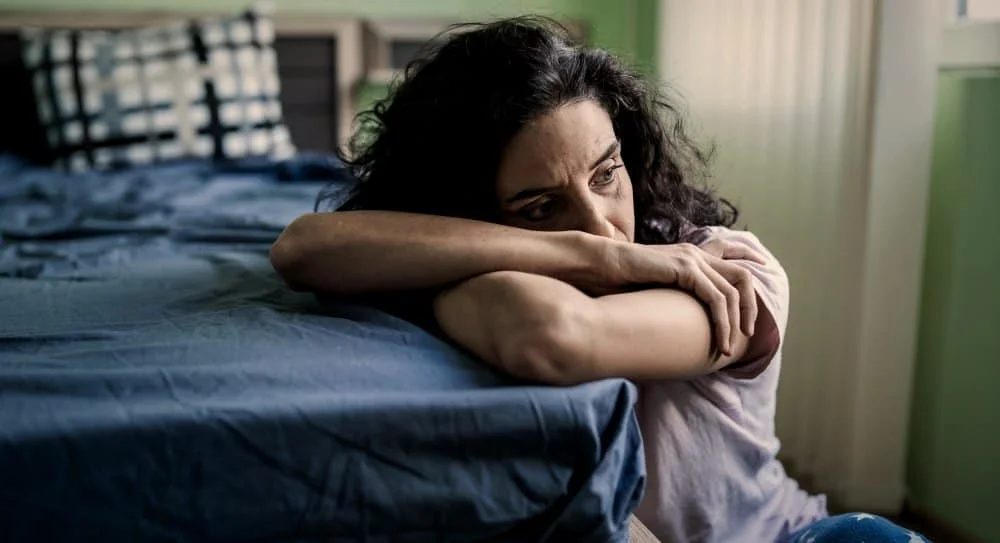
Why do many people try to heal too quickly after divorce?
The end of a marriage often brings emotional pain, uncertainty, and overwhelming pressure to "move on" as quickly as possible. Friends, family, and even social expectations may encourage you to put the past behind you immediately. However, true healing after divorce is not a race.
Ignoring grief or pushing yourself to feel better too quickly can actually make your emotional pain last longer. Taking your time to heal is important for creating a solid foundation for lasting emotional wellbeing. Aparnaa Jadhav thinks recovery isn't about erasing the past; it's about finding yourself again and creating a meaningful future.
Understanding the Emotional Impact of Divorce
Divorce affects every aspect of life
Divorce involves much more than legal separation. It often affects your identity, relationships, confidence, and sense of stability.
Common emotions include:
- Sadness
- Anger
- Loneliness
- Fear of the future
- Guilt and regret
These emotions are normal. Acknowledging them is an important part of healing after divorce and creating emotional balance.
Grief is not a sign of weakness
Many people believe they should feel strong all the time. In reality, grief is a natural response to loss.
Allowing yourself to:
- Feel sadness
- Process disappointment
- Reflect on the relationship
- Accept uncertainty
can support emotional healing rather than delay it.
Why Rushing Recovery Can Slow Your Progress
Suppressing emotions creates deeper pain
Trying to avoid painful feelings often leads to unresolved emotional wounds.
Some common mistakes include:
- Jumping into another relationship too quickly
- Ignoring emotional needs
- Staying constantly busy
- Avoiding self-reflection
These habits may provide temporary relief but often interfere with emotional healing after divorce.
Recovery is not linear
Some days may feel hopeful, while others may bring sadness and frustration.
This is completely normal.
Healing after divorce happens in stages, and emotional ups and downs are part of the journey. Progress should not be measured by speed but by personal growth and self-awareness.
Healthy Ways to Support Your Recovery
Focus on self-care and self-compassion
After divorce, many individuals neglect their own needs. Prioritizing your wellbeing is not selfish.
Simple ways to practice self-care include:
- Maintaining healthy routines
- Exercising regularly
- Journaling thoughts and feelings
- Spending time with supportive people
- Practicing mindfulness
These habits help strengthen resilience and support divorce recovery.
Give yourself permission to grieve
You do not have to pretend everything is fine.
Allowing yourself to:
- Cry when needed
- Express emotions
- Reflect on lessons learned
- Accept difficult feelings
can help you move forward with greater peace.
Building a New Chapter After Divorce
Rediscover who you are
Many people lose touch with themselves during marriage.
Life after divorce provides an opportunity to reconnect with:
- Personal dreams
- Hobbies and passions
- New goals
- Self-confidence
This period of self-discovery can become one of the most transformative experiences of your life.
Create healthy boundaries
Boundaries help protect your emotional wellbeing.
Healthy boundaries involve:
- Saying no without guilt
- Limiting negative influences
- Prioritizing self-respect
- Choosing supportive relationships
These practices support long-term emotional growth.
Why Seeking Support Matters
You do not have to heal alone
Healing becomes easier when you have support.
Professional guidance can help individuals:
- Understand their emotions
- Improve self-esteem
- Develop healthy coping skills
- Find clarity and direction
Aparnaa Jadhav has dedicated her work to helping women navigate life transitions with compassion, self-awareness, and emotional resilience.
Learning healthy coping strategies
Healthy coping with divorce involves understanding that healing is not about perfection.
It is about:
- Accepting change
- Rebuilding confidence
- Practicing self-love
- Creating a fulfilling future
These skills empower individuals to move beyond survival and begin thriving again.
Finding Strength Through Patience
One of the biggest misconceptions about healing after divorce is that it should happen quickly. Real healing requires time, compassion, and emotional honesty. Every person's journey is unique, and comparing yourself to others only creates unnecessary pressure.
Aparnaa Jadhav encourages women to embrace the healing process with patience and kindness. Instead of rushing forward, allow yourself to grow through the experience and rebuild a life filled with purpose and hope. True transformation begins when you stop forcing recovery and start honoring your emotions.
As you continue coping with divorce, remember that progress is not measured by how fast you move on but by how deeply you heal.