Sign up with Google
 Sign in with Zoho
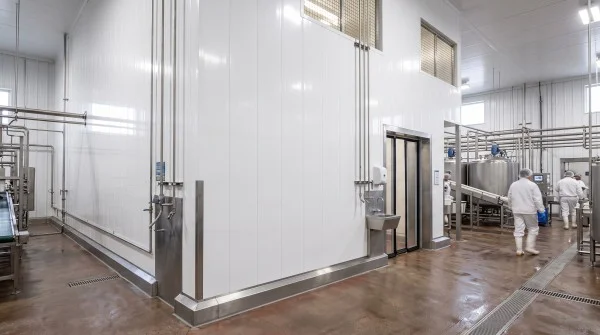
Dairy processing environments are one of the most challenging spaces when it comes to interior wall and ceiling conditions. Prolonged exposure to moisture, high-pressure washdowns, and strict hygiene protocols make wall material selection critical. Drywall, FRP, and ceramic tiles struggle under these conditions, leading to costly maintenance and sanitation risks.
This raises an important question for facility managers and facility builders- Are vinyl panels water-resistant enough for dairy processing applications? The answer is yes! Among the wall materials available on the market, dairy vinyl panels are proven to be the most reliable water-resistant paneling option because of their virgin vinyl formulation. From fermentation rooms and pasteurization units to washdown areas, vinyl panels remain resilient in high-humidity environments. Their moisture-resistant finish helps prevent water seepage, leaving dairy walls and ceilings clean and damp-free.
Moisture Challenges in Dairy Facilities
Steam from pasteurization, washing cycles, and product cooling pave the way for a moisture-heavy atmosphere. Beyond high-humidity levels, these facilities need daily sanitation routines involving high-pressure water, harsh chemical detergents, and hot steam to prevent bacterial growth like Listeria or E. coli. When moisture penetrates a wall system, it creates severe problems, which include-
- Structural Damage- Wood substrate rots, drywall softens and swells.
- Mold and Bacteria Growth-Trapped moisture becomes a breeding ground for microorganisms.
- Regulatory Non-Compliance- Delamination, peeling paint, or mold lead to failed inspection audits.
Vinyl Panels- The Ultimate Wall Paneling for Damp Dairy Facilities
To maintain compliance and structural integrity, wall coverings in dairy plants must offer total moisture protection. Polyvinyl chloride wall and ceiling panels are designed to overcome the vulnerabilities of traditional building materials in wet environments. With an internal webbed truss design, vinyl panels are exceptionally robust and withstand daily surface wear in damp, humid environments. Whether the walls are fading, rotting, or delaminating in wet spaces, vinyl panels address these concerns by offering a durable barrier against moisture infiltration.
1. Water-Resistant Barrier Ensures Robust Interiors
Compared with FRP and drywall, vinyl panels are inherently moisture-resistant. Since vinyl panels do not require organic substrates, such as wooden backers, they cannot absorb moisture, warp, rot, or swell, no matter how wet the environment gets. Unlike adhesive weakening in FRP panels, PVC wall panels have a tightly sealed surface finish that leaves no scope for moisture infiltration.
2. In-Built Interlocking Mechanism
You may be surprised to learn that water damage often starts at the joints. High-grade vinyl panels feature tongue-and-groove interlocking designs that hide fasteners and create tight and seamless joints. This prevents water and steam from seeping behind the panels during routine washdowns, protecting dairy walls and ceilings over time.
3. Withstand Everyday Washdowns
The cleaning routines in dairy processing rooms require specialized chemical cleaners and high-pressure sprayers. Vinyl dairy wall panels do not degrade, peel, or corrode when exposed to frequent chemical contact or intense water pressure, ensuring durability without degrading the surface finish.
The smooth, non-porous finish of vinyl panels allows water to run off the surface rather than soak in. This prevents moisture retention and chemical spills from damaging the wall finish, making them the right choice for high-wash dairy processing plants.
Vinyl Panels vs. Traditional Wall Materials
- FRP - FRP panels rely on wood backer boards, such as OSB or plywood, for installation. Over time, moisture gets behind the panels, causing the wood backing to rot and the panels to delaminate or bulge. Vinyl panels mount directly to studs or backing without needing an organic backer board.
- Drywall- Even moisture-resistant drywall fails rapidly under direct water exposure and daily pressure washing. Paint chips and flakes, creating contamination hazards. Frequent drywall damage results in costly repairs and replacements, adding up to recurring maintenance expenses.
- Ceramic Tiles- While highly durable, ceramic tiles are more expensive, heavier, and harder to install or repair than vinyl panels. The grout lines present in tiles become a hotbed for mold and mildew growth, contributing to unhygienic spaces.
Upgrade Your Dairy Facility with Duramax Vinyl Panels
Duramax is a trusted manufacturer of vinyl wall panels in the USA. An ideal drywall and dairy FRP panel alternative, Duramax Vinyl Panels are built to last for a decade. Duramax Vinyl Panels are lightweight and meet stringent FDA and CFIA standards. These 1/2-inch-thick, 16-inch-wide vinyl panels are available in 8, 10, 12, 14, 16, and 20 ft construction lengths. Save 50% on labor and 40% on material expenses with Duramax Vinyl Panels. Request a free consultation now.