Sign up with Google
 Sign in with Zoho
Why PVC is the Best Moisture-Resistant Wall Panel for Commercial Buildings
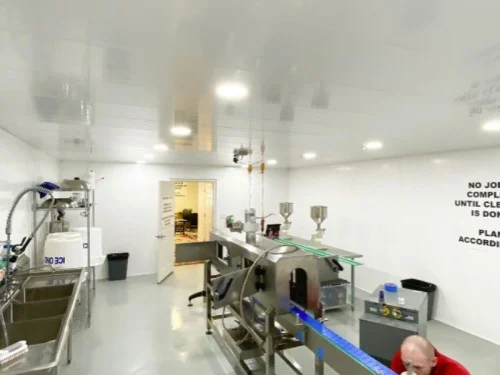
Moisture is one of the biggest challenges in commercial facilities, regardless of whether it is a food processing unit, a car wash, or a grow room. Excess moisture damages building materials, encourages mold growth, increases maintenance costs, and can even jeopardize sanitation compliance in regulated industries. That's why moisture-resistant wall systems have become essential in commercial construction. The most preferred solution for commercial spaces is PVC moisture-resistant wall panels. They feature a non-absorbent surface that offers superior resistance compared to traditional paneling options.
Why Moisture Resistance Matters in Commercial Spaces?
Unlike residential spaces, commercial facilities experience constant wear from cleaning, humidity, chemicals, and temperature fluctuations. Poor moisture protection can lead to:
- Mold and mildew buildup
- Rust and corrosion
- Delaminating wall finishes
- Failed health and hygiene inspections
- Extended downtime due to repairs
Why Do Traditional Wall Materials Fail in Humid Commercial Spaces?
Want to understand why PVC leads the market? Traditional materials work satisfactorily in dry, low-traffic areas, but in high-humidity or washdown zones, they collapse. Here’s a review of the popular traditional materials and how they perform in humid environments:
- Drywall: While you can paint or treat it to resist surface dampness, drywall still absorbs water over time if vapor barriers break down. The interior paper backing provides organic food sources for mold and mildew.
- Ceramic & Porcelain Tile: Although the tiles themselves are water-resistant, the grout lines are porous. Over time, water seeps through grout, destroying the substrate, while tile seams trap bacteria, grease, and grime.
- Fiberglass Reinforced Plastic (FRP): FRP has been a staple for decades, but it possesses a critical flaw: it requires a wooden backing board. When moisture passes through seam gaps or exposed face rivets, the wooden backer absorbs water and rots, resulting in swelling, delamination, and hidden mold colonies.
Why PVC Panels are the Ideal Moisture-Resistant Solution?
PVC moisture-resistant paneling solutions address every challenge associated with a wet environment because:
100% Moisture-Resistant Performance
Because PVC is non-porous, it neither absorbs water nor swells when exposed to humidity or repeated washdowns, making it far more durable than drywall or FRP wall systems. They are ideal for facilities that undergo routine cleaning or operate in constantly damp conditions.
Mold and Mildew Resistance
Moisture alone doesn't create mold, but porous materials do. Because PVC features a smooth, seamless surface, it provides fewer places for moisture, bacteria, and mold to accumulate. This supports cleaner facilities and reduces long-term maintenance. For industries with strict sanitation standards, this is a major operational advantage.
Excellent Chemical Resistance
Commercial buildings often rely on aggressive cleaning chemicals and disinfectants. PVC panels withstand routine cleaning with many commercial-grade sanitizers without peeling, rusting, or degrading. This makes them especially valuable in facilities requiring frequent sanitation.
Long-Term Durability
ASTM-certified PVC wall panels have a unique inner webbed truss design. This structure provides exceptional impact resistance against rolling carts, forklifts, or heavy machinery bumps without adding excess weight. So, instead of requiring continual repairs, they continue performing year after year, making them a strong long-term investment.
Significant Savings on Installation and Total Cost of Ownership
While FRP or tile may initially seem cheaper per panel, PVC offers lower total project costs:
- Direct-to-Stud Installation: PVC panels mount directly onto wall studs using standard screws through a pre-punched mechanical flange, eliminating the need for expensive backer boards or adhesive glue.
- Labor Savings: Installation is up to 50% faster than FRP and requires fewer installers.
- Zero Maintenance: PVC wall panels never require painting, waterproofing treatments, or joint re-grouting.
Primary Commercial Applications for PVC Panels
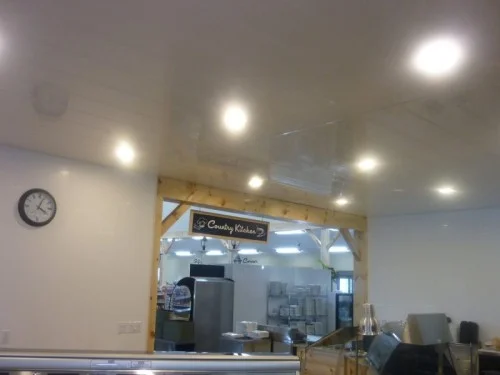
1. Commercial Kitchens & Restaurants: Resists animal fats, grease splatters, and continuous heat/steam while speeding up end-of-night washdown.
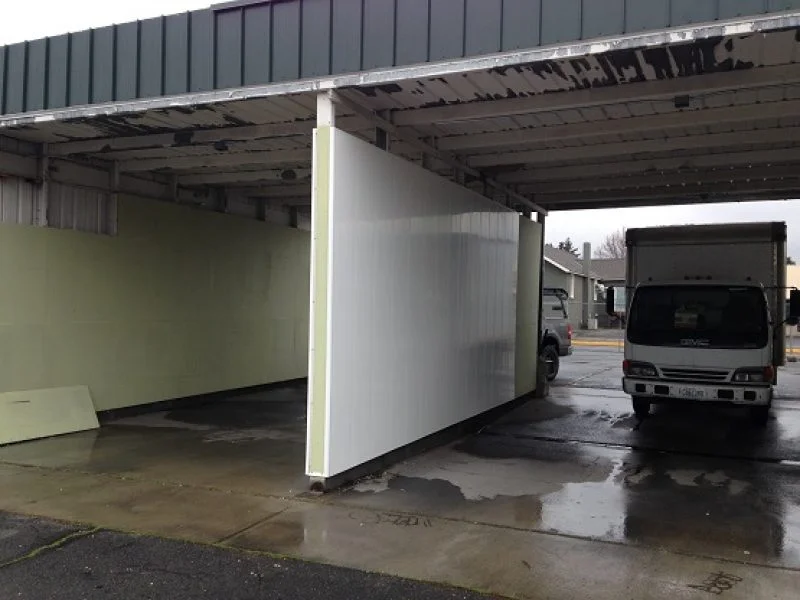
2. Car Washes & Auto Detail Bays: Handles perpetual chemical exposure, high humidity, and continuous pressure washing without surface delamination.
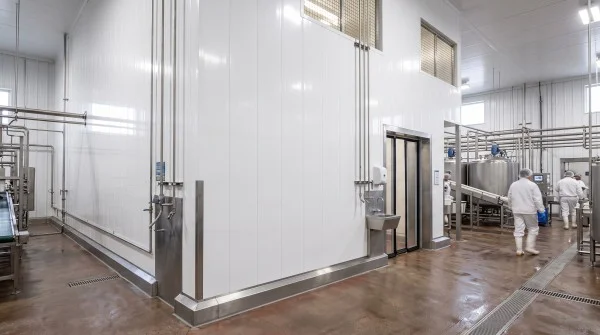
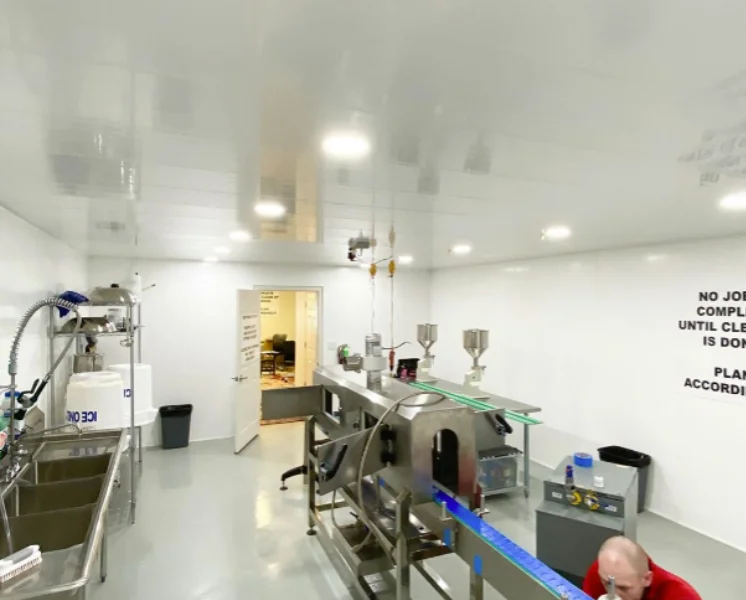
3. Food Processing & Bottling Plants: Satisfies rigorous USDA/FDA sanitation rules with an easy-to-sanitize, seamless wall environment.
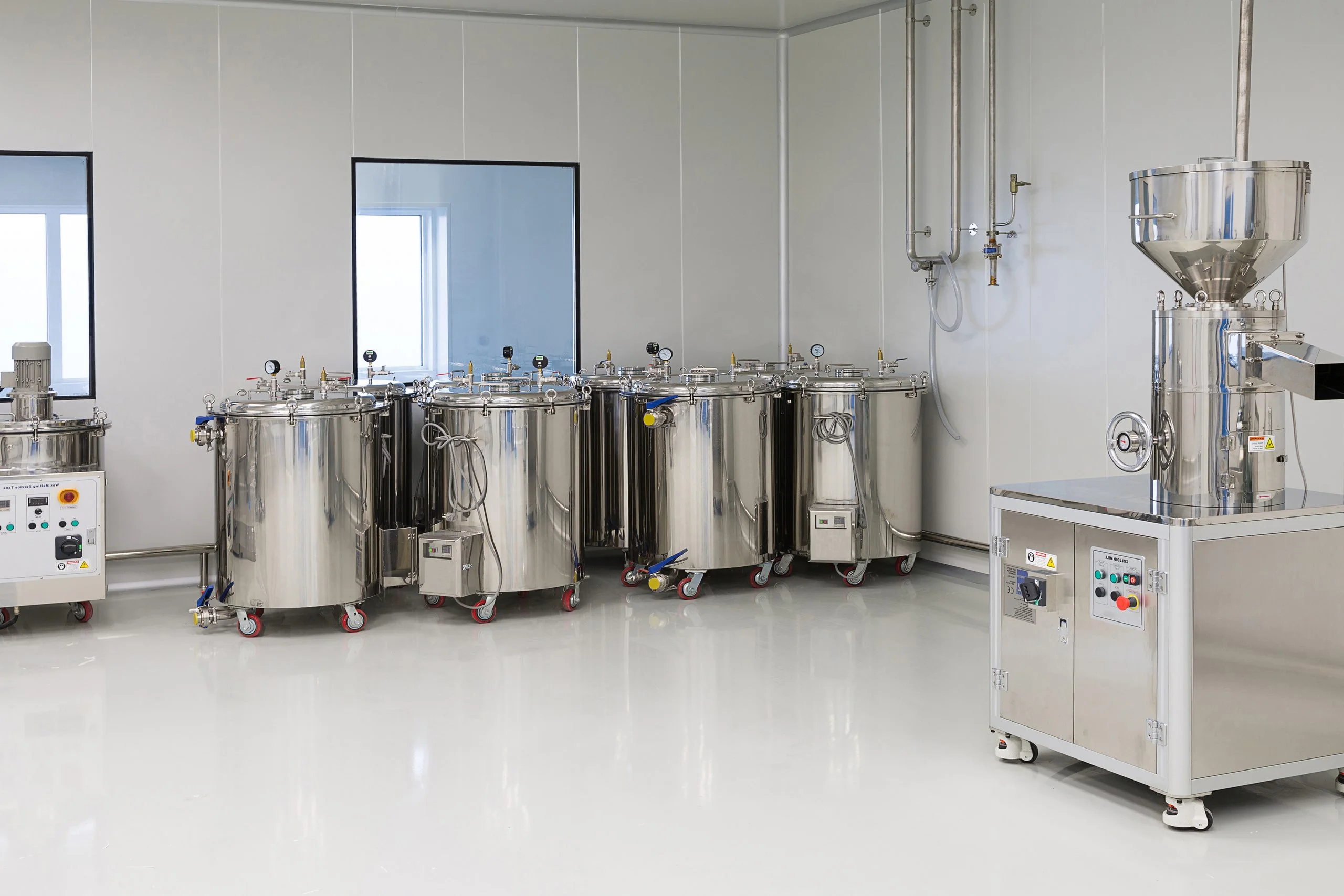
4. Healthcare, Cleanrooms, & Laboratories: Provides an inert, sterile surface resistant to harsh chemical wipe-downs and viral/bacterial adherence.
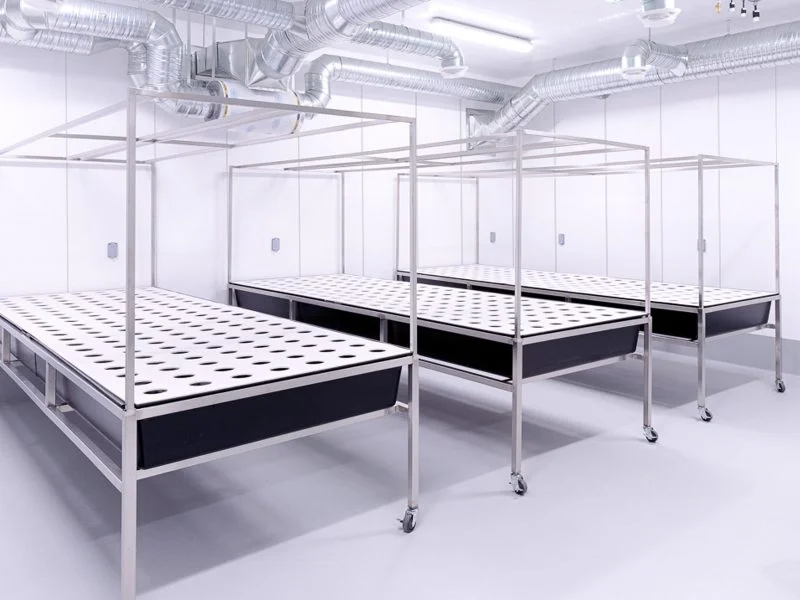
5. Agricultural Facilities & Indoor Grow Operations: Bright white, highly light-reflective PVC paneling increases lighting efficiency while resisting constant 80%+ relative humidity.
Facility Manager's Checklist for Specifying PVC Panels
When selecting PVC wall panels for your commercial building specification, ensure the product meets these essential technical criteria:
- Fire Rating: Verify a Class A Fire Rating (tested under ASTM E84) for interior wall building code compliance.
- Hygiene Certifications: Ensure compliance with FDA, USDA, or CFIA guidelines for sanitary wall covers.
- Impact Strength: Confirm internal truss geometry or high-density rigid composition for impact resistance in high-traffic zones.
- Fastener Design: Choose panel profiles with hidden fastening flanges to ensure smooth surfaces and concealed hardware.
Order High-Quality Moisture-Resistant Wall Panels From Duramax
If you're planning a new commercial facility or upgrading an existing one, Duramax moisture-proof wall panels provide a proven solution. They are designed to withstand demanding environments while helping keep your building cleaner, safer, and easier to maintain. Ask for a free sample now!