Sign up with Google
 Sign in with Zoho

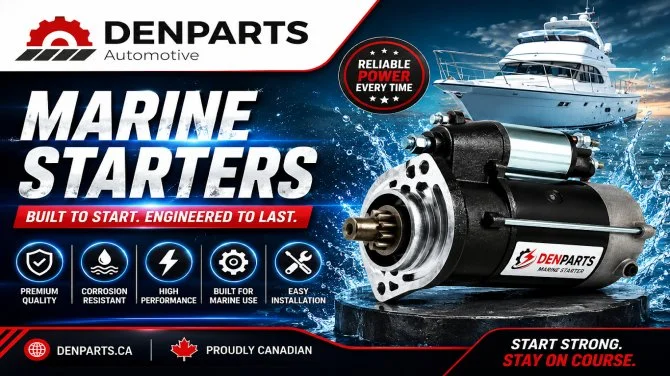
Marine starter motors take a beating. They deal with moisture, salt air, vibration, and temperature swings that would make a typical automotive starter tap out in a season. The good news? Most problems follow predictable patterns, and once you know what to look for, you can often diagnose and fix the issue yourself or at least know exactly what you're dealing with before you call in a mechanic.
Whether you're troubleshooting a stubborn outboard, a stern drive, or an inboard engine, this guide walks you through the 9 most common marine starter motor problems and what to do about each one. And if your starter is beyond saving, you'll also find out where to Buy Marine Starter Online Canada without overpaying or waiting weeks for a part.
9 Common Marine Starter Motor Problems and How to Fix Them
1. The Engine Clicks Once But Won't Crank
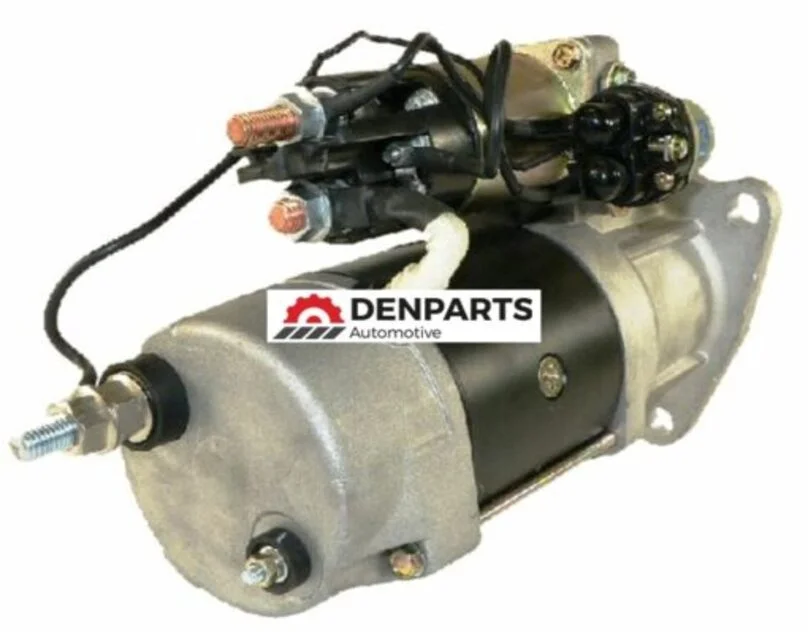
A single loud click when you turn the key usually points to the solenoid, not the starter motor itself. The solenoid is the small cylindrical relay that sits on top of or beside the starter, and its job is to engage the starter pinion with the flywheel ring gear while simultaneously sending high current to spin the motor. When it clicks once and nothing else happens, it typically means the solenoid is engaging but the motor isn't receiving enough current or the motor itself has seized.
The Fix: Start by checking the battery voltage under load. If you've got 12.6V at rest but it drops below 9.6V when you try to start, the battery is the problem, not the starter. If voltage holds steady, clean, and tighten the main battery cable connections at both ends, the cable going to the solenoid is a common culprit. If cleaning doesn't resolve it, test the solenoid with a multimeter and replace if faulty.
2. Rapid Clicking or Chattering Sound
Rapid clicking—sometimes dozens of clicks in quick succession—is almost always a power delivery problem. The solenoid keeps engaging and disengaging rapidly because it's not getting enough sustained current to hold itself in the engaged position.
The Fix: Charge or replace the battery first. Marine batteries that sit over winter often sulfate and lose significant capacity. If the battery checks out, inspect every connection in the starting circuit: battery terminals, battery switch contacts, ground cables, and the cables at the solenoid. Even a small amount of corrosion dramatically increases resistance. Use a wire brush and a quality corrosion inhibitor spray, and replace any cables that show significant damage.
3. Starter Cranks Slowly or Weakly
If the engine turns over but noticeably slower than normal, you'll hear that labored, low-pitched crank rather than the crisp, energetic spinning you're used to. This is a classic symptom of a starter motor that's wearing out internally, specifically the armature windings or brushes, though again, battery and cable issues can mimic this symptom.
The Fix: Do a voltage drop test across the starter motor. Connect a multimeter between the battery positive terminal and the starter motor terminal; anything over 0.5V of drop indicates excessive resistance in that circuit. Do the same on the ground side. If the wiring checks out, the starter itself is likely worn brushes, armature, or field windings. At that point, replacing the unit is more cost-effective than rebuilding.
4. Starter Spins But Doesn't Engage the Engine
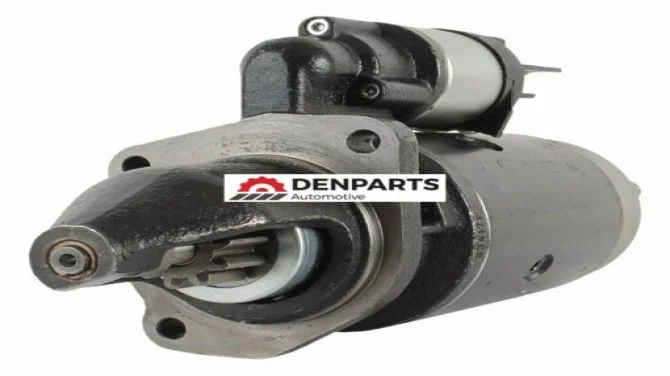
You hear the starter motor whirring at high speed, but the engine doesn't turn. This is a clear sign that the starter drive (also called the Bendix drive or overrunning clutch) has failed. The drive is a one-way clutch mechanism that engages the pinion gear with the flywheel ring gear during starting, then automatically disengages once the engine fires to prevent the engine from spinning the starter at destructive speeds.
The Fix: The starter drive is either worn out or seized. On some older starters, you can replace just the drive assembly. On most modern marine starters, it's more practical and reliable to replace the entire unit. Also inspect the flywheel ring gear for missing or worn teeth. While you're in there, a damaged ring gear will cause the same freewheeling symptom even with a brand-new starter.
5. Starter Won't Disengage After Engine Starts
This is a dangerous one. If the starter keeps running after the engine fires, you'll hear a horrific grinding sound as the engine tries to spin the starter armature at full engine speed. Left unchecked for even a few seconds, this can destroy the ring gear, the starter pinion, and potentially the starter armature. This usually happens because of a sticking solenoid, a welded solenoid contact, or a mechanical failure in the overrunning clutch.
The Fix: If this happens, shut the engine off immediately and do not restart until the starter is replaced. Check the ignition switch and the wiring to the solenoid for a short to power a wiring fault that can hold the solenoid engaged. If the switch and wiring are fine, the solenoid contacts have likely welded together from heat and arcing, and the starter assembly needs to be replaced.
6. Intermittent Starting Sometimes Works, Sometimes Doesn't
Intermittent problems are notoriously difficult to diagnose because the symptom disappears right when you're ready to test it. On a boat, intermittent starting issues often come down to heat soak, corroded connections, or worn brushes that make contact sometimes and not others.
The Fix: Heat soak happens when the starter sits close to a hot exhaust manifold. After the engine runs and you shut it off, the starter absorbs heat from nearby components, causing temporary failure. The fix here is improved heat shielding around the starter. For brush-related intermittent issues, have the starter tested at an auto-electric shop where they can check brush length and spring tension. If brushes are below the wear limit, replace the starter.
7. Grinding Noise During Starting
A grinding sound during the crank cycle distinct from the sound of a starter that won't disengage usually means the pinion gear and ring gear aren't meshing cleanly. This can be caused by a worn pinion gear, a damaged ring gear, or misalignment between the starter and the engine block.
The Fix: Remove the starter and inspect both the pinion gear and the accessible portions of the ring gear. Look for chipped, cracked, or missing teeth. Even a single missing tooth can cause severe grinding on every start. If the ring gear is damaged, that's an engine or flywheel service job. If it's the pinion, you're replacing the starter. While you have the starter out, check the mounting bolts and make sure the starter is sitting flush and correctly aligned with the block.
8. Starter Motor Overheating
Marine starter motors are designed for short-duration use. They're built to crank for a few seconds at a time, then rest. Extended cranking, whether because the engine is hard to start, the operator is holding the key too long, or there's an underlying engine problem that generates enormous heat that degrades windings, melts insulation, and damages the armature.
The Fix: Follow the 30-second rule—crank for no more than 30 seconds at a time, then wait at least 2 minutes before trying again. If the engine consistently requires extended cranking, that's an engine problem (fuel delivery, choke, etc.) that needs to be addressed separately. A starter that has already been overheated should be tested and possibly replaced, as internal damage from heat isn't always visible.
9. Corrosion-Related Failure
This one is particularly common in Canada's coastal regions and anywhere boats are used in saltwater. Corrosion is relentless; it attacks terminals, connectors, and solenoid contacts and even works its way inside the starter housing itself. The result can be anything from intermittent operation to complete failure.
The Fix: Prevention is the best medicine. After every season or more frequently in saltwater environments, disconnect, clean, and treat all electrical connections with a dielectric grease or corrosion inhibitor. Inspect the starter housing for white or green oxidation. If corrosion has penetrated the starter casing, replacement is the only reliable solution. Don't try to wire around corrosion; clean or replace components properly.
When to Repair vs. Replace Your Marine Starter
Some marine starter problems are worth repairing. Replacing brushes, cleaning solenoid contacts, or rebuilding a starter drive can extend the life of an otherwise sound motor. But there are situations where replacement simply makes more sense:
- The armature has been overheated (discoloration, burnt smell, melted insulation).
- Corrosion has entered the housing and compromised internal components.
- The starter has already been rebuilt once and is failing again.
- Rebuild parts are more expensive or harder to source than a remanufactured unit.
- The starter is more than 8–10 years old and has seen heavy use.
In these cases, a quality remanufactured starter is often the better investment. You get a fully tested, like-new unit with a warranty, usually at a fraction of the cost of an OEM new part. If you're looking to buy marine starters online in Canada, there are reputable Canadian suppliers that carry remanufactured starters for virtually every major marine engine make: Mercruiser, Volvo Penta, Yamaha, Johnson/Evinrude, OMC, and more.
Finding the Right Replacement: Shopping for a Boat Starter Online in Canada
Canadian boaters have more options than ever when it comes to sourcing replacement marine starters. Shopping for a boat starter online in Canada means you can compare specifications, read reviews, check warranty terms, and often get the part to your door faster than waiting for a local marine dealer to order it in.
When ordering online, there are a few things to pay close attention to:
- Engine make, model, and year: Marine starters are highly application-specific. A starter that physically looks identical to yours may have a different rotation direction, a different tooth count on the pinion, or a different mounting bolt pattern.
- OEM part number cross-reference: Cross-referencing the original equipment manufacturer's part number ensures you're getting a direct replacement rather than guessing based on physical appearance alone.
- New vs. remanufactured: A quality remanufactured starter from a reputable supplier is often indistinguishable from new in performance and longevity. Look for suppliers who include a warranty of at least one year.
- Shipping timelines to your location: Boating season waits for no one. Confirm the supplier ships to your province and check their estimated delivery times before committing.
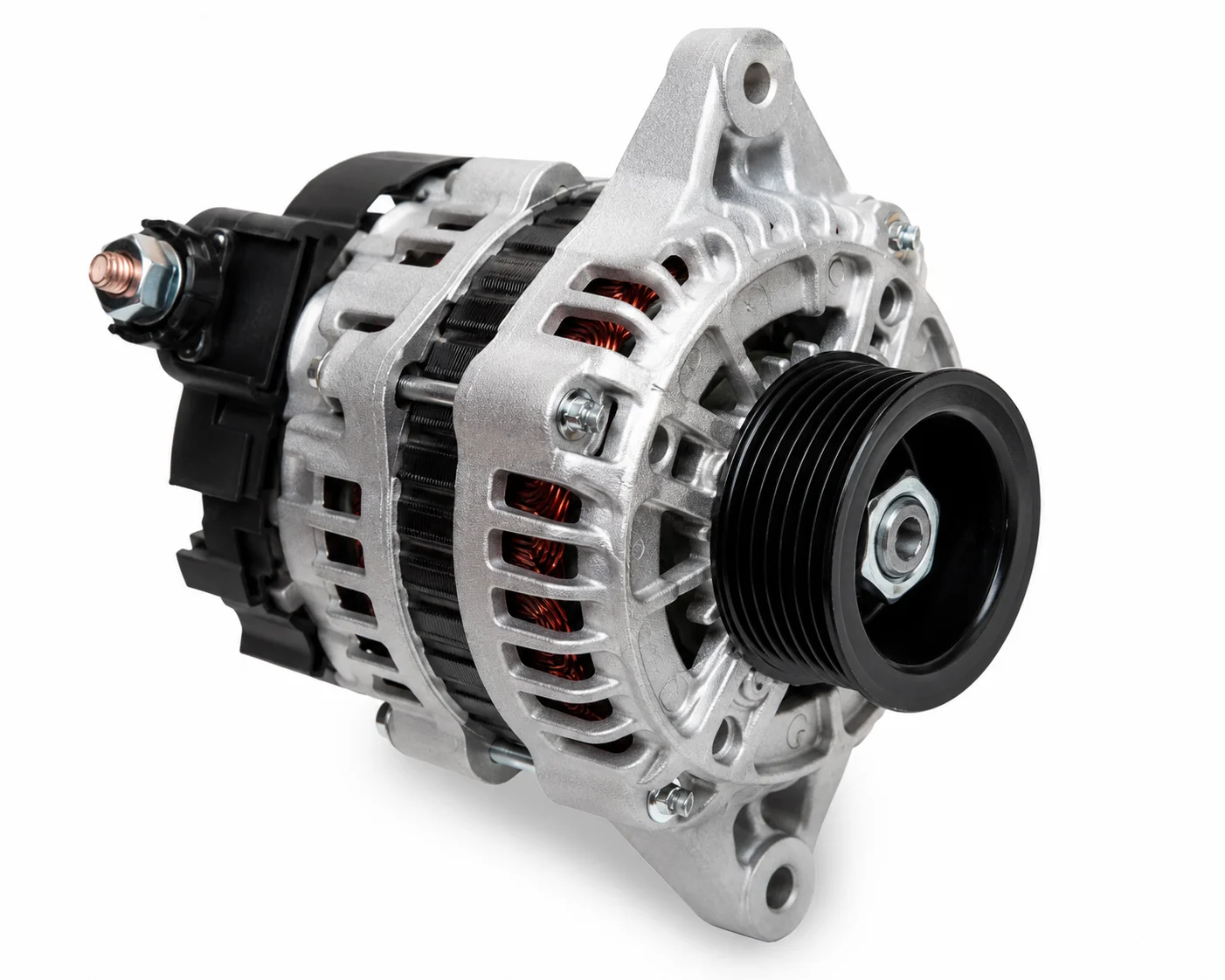
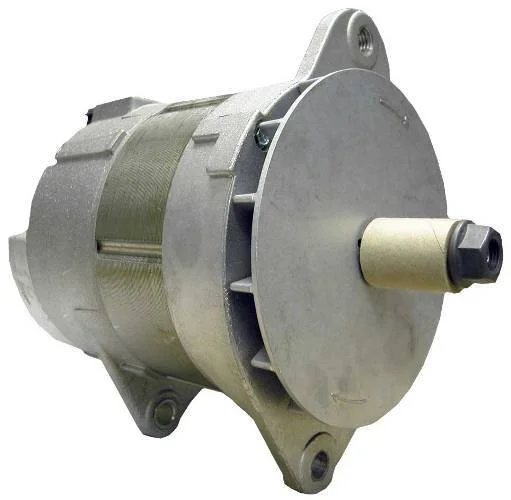
Denparts.ca is one Canadian source worth bookmarking if you're looking to shop for a Boat Starter Online in Canada. Their catalogue includes starters and alternators for a wide range of marine applications, with part numbers clearly listed to make cross-referencing straightforward. Canadian inventory means shorter shipping times and none of the cross-border complications that can delay a repair by weeks.
Conclusion
Marine starter motor problems rarely come out of nowhere. There's almost always a warning sign: a slightly slower crank one morning, a click here and there, and a faint grinding that wasn't there last season. Paying attention to those early signals and addressing them before they become full failures is what separates boaters who spend their weekends on the water from those who spend them on the phone with a tow service.
The nine problems covered in this guide account for the overwhelming majority of marine starter failures. Most can be diagnosed with basic tools and a little patience. And when the starter truly is done, the process of replacing it has never been easier with the ability to buy marine starter online in Canada from specialized parts suppliers; you can have the right part sourced, confirmed, and on its way to your door without ever leaving the house.