Sign up with Google
 Sign in with Zoho

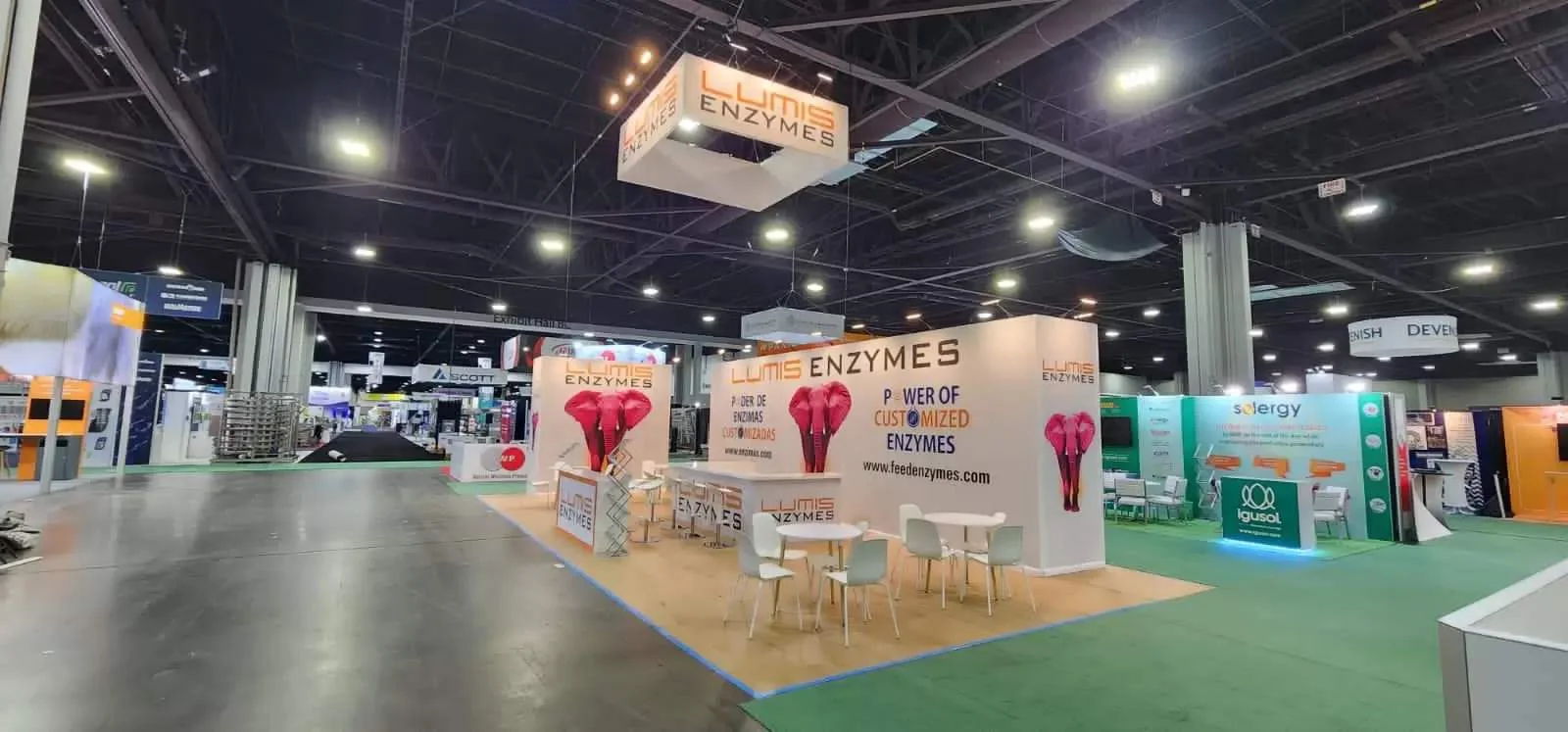
At an exhibition, trade show, or business event, a brand’s presentation plays an important role in creating a first impression on visitors. A well-planned stall is not just a place to display products; it can also serve as a medium to convey the brand identity, products, and business message to visitors. For this reason, it is important to understand different interior design styles along with stall design and fabrication.
What is Stall Design and Fabrication?
Stall Design and Fabrication is a process in which an exhibition space is designed and prepared according to business requirements and brand identity. It focuses on elements such as stall layout, branding panels, product display, lighting, furniture, graphics, and visitor movement.
When creating a stall design, it is important to use the available space properly. Adding too many elements can make the stall appear crowded, while too little information may not provide visitors with sufficient details. Therefore, an appropriate balance is maintained between display and open space.
Essential Elements of an Effective Exhibition Stall
In an exhibition stall, the brand logo and key message should be placed in a location where visitors can easily see them. Arranging product displays in an organised manner helps visitors understand the products more easily.
Lighting can also enhance the stall presentation. Highlight lighting can be used to draw attention to important products or branding areas. In addition, the reception counter, seating area, and storage space can also be included in the stall layout in a practical way.
During fabrication, it is important to pay attention to material quality and structural safety. The stall should be prepared according to the event venue’s guidelines and the available space.
The Role of Interior Design Styles
Interior design styles are not limited to homes. They can also be used in the visual planning of offices, retail spaces, showrooms, and exhibition stalls. Different styles can give a space a distinct appearance according to a business’s personality and target audience.
The modern style uses clean lines, contemporary furniture, and balanced elements. The minimalist style focuses on open space and simple presentation with fewer decorative elements. The industrial style may feature elements such as metal, wood, and raw textures.
In traditional style, decorative patterns, warm materials, and classic design elements are given priority. Meanwhile, in contemporary design, flexible layouts and modern finishes can be used according to current trends.
How to Choose the Right Style for Stall Design?
When choosing a design style for a stall, brand identity and products should be kept in mind. A modern or minimalist presentation may be suitable for a technology brand, while a different visual approach may be adopted for a lifestyle or furniture brand.
Budget and exhibition space also affect design selection. In a small stall, it may be better to focus on branding and product presentation rather than unnecessary decoration. In a larger stall, meeting areas, product demonstration zones, and interactive sections can be added.
The Importance of Professional Planning
For a successful exhibition stall, an attractive design alone is not enough. It is necessary to plan all elements together, including design, fabrication, branding, lighting, and visitor movement. With proper planning, the available space can be used more effectively, and the stall can be made more organised for visitors.
Similarly, understanding Interior Design Styles can help a business choose the right visual direction for its exhibition space or commercial area. Good design planning can help strengthen brand presentation, showcase products more effectively, and create meaningful interaction with visitors.